

Yoshi and the Mysterious Book: critics praise the creativity, debate the pace
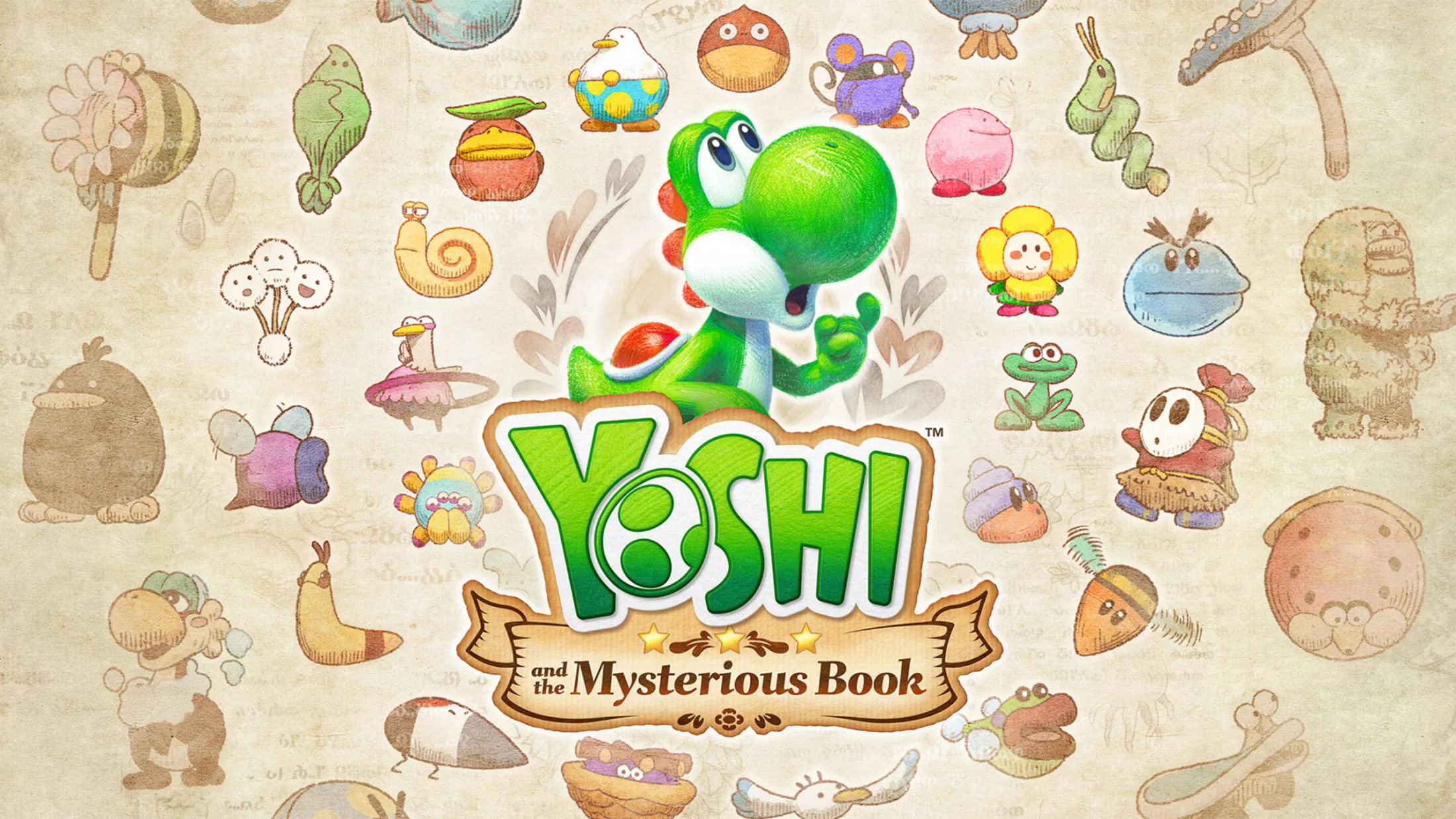
Once a review roundup moves past one hundred published reviews, the most useful question is no longer “who loved it most?” but “which arguments keep repeating often enough to define the game’s critical identity?”
What the score means when there are 113 reviews behind it
On the relevant Metacritic critic reviews page, Yoshi and the Mysterious Book currently holds an 80 based on 113 published reviews. That makes the score useful not just as a headline, but as a reasonably broad reflection of the game’s early critical profile.
At that review volume, the aggregate becomes less vulnerable to a few loud outliers. It starts to describe a more stable curve instead of pure first-wave excitement. The result here is a clearly positive but not fully unanimous picture, which is exactly the kind of shape worth unpacking.
What critics praise most often
The most common positive thread is creativity. Review language repeatedly highlights the game’s visual identity, the way it frames its ideas, and how comfortably it sits inside the broader Yoshi tradition of charm-driven platform design. This is not a case where all the praise hangs on one giant system. It is praise built on consistent design warmth and inventive presentation.
A second recurring strength is accessibility. Many critics describe the game as welcoming without feeling entirely disposable, and that balance matters for a platform release that may be judged as much by how gracefully it invites people in as by how loudly it demands mastery.
Where the disagreement starts
The biggest area of debate is pace. What some critics read as a calm, comfortable rhythm, others read as not enough pressure or not enough escalation. That is important because it explains why an otherwise warm critical response still stops short of full unanimity.
Some of the hesitation also touches depth. When a game earns goodwill through charm, packaging, and elegant presentation, critics naturally ask whether its ideas continue to deepen over time. That is where the more restrained reviews tend to push back, even if they are not rejecting the game outright.
What the early consensus actually looks like
At this stage, Yoshi and the Mysterious Book looks like a confidently positive release with a very readable risk profile. This is not an aggregate hiding a chaotic split. It is a game widely respected for its creativity and feel, while drawing more mixed opinions on momentum and challenge.
The method matters here too. This piece does not pretend all 113 reviews say the same thing. It simply recognizes that the same argument structure appears often enough to describe the consensus honestly: strong affection for the game’s creativity, less total agreement on its pacing.
Аналитика MBG
