
The Risk of Changing Protagonists: Why Sequels Might Lose Their Soul
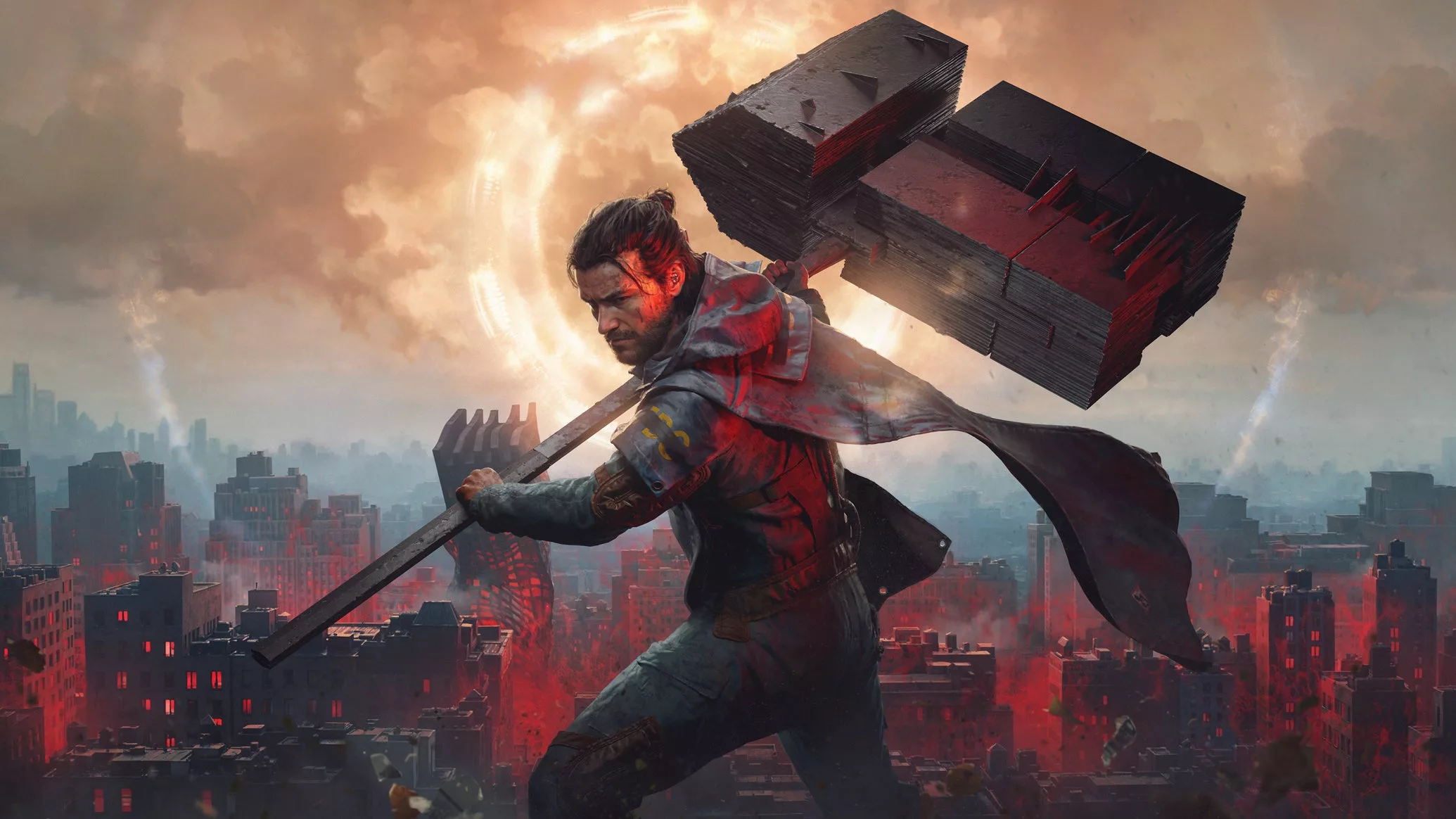
When a studio prepares a sequel, they face a pivotal choice: continue the journey of an established hero or introduce someone new. While a new lead might seem like a breath of fresh air, IP consultant Christian Fonnesbech argues that for most franchises, this is a massive risk. To him, the character is the most precious asset—the primary bridge for emotional connection between the player and the game world.
Speaking to GamesIndustry.biz, Christian Fonnesbech, founder of Leverage, pointed out that while gameplay and world-building are vital, the character is often the easiest element to own legally and emotionally. After hundreds of hours spent with a protagonist, players form a bond that is difficult to replicate or replace. Breaking that connection can jeopardize the entire franchise's momentum.
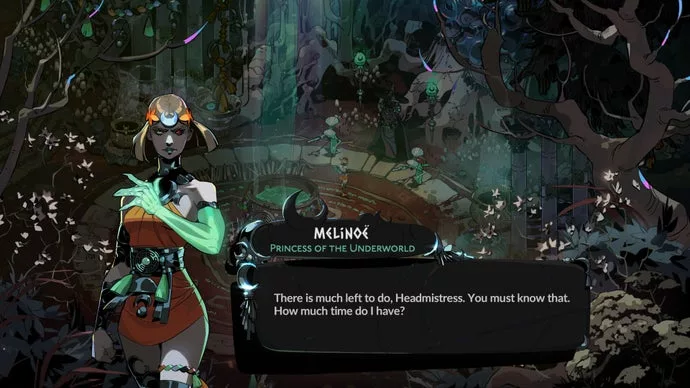
He cites Hades 2 by Supergiant Games as a nuanced example. While the first game was a massive hit, the shift from Zagreus to his sister Melinoë fundamentally alters the emotional core. If the original was about a son rebelling against his father, the sequel is about finding home. While artistically brilliant, Fonnesbech questions the business logic: does the "Hades" IP lose its core identity when the emotional journey changes so drastically?
Other high-profile upcoming titles face similar scrutiny:
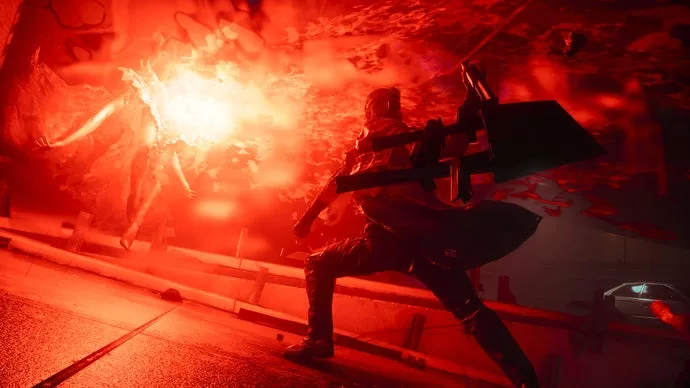
- In the upcoming Control Resonant (the sequel to Remedy Entertainment's Control), the lead role may shift to Dylan Faden, the brother of the original protagonist Jesse Faden. Fonnesbech questions why a studio would replace a character that has already become a valuable market asset for millions.
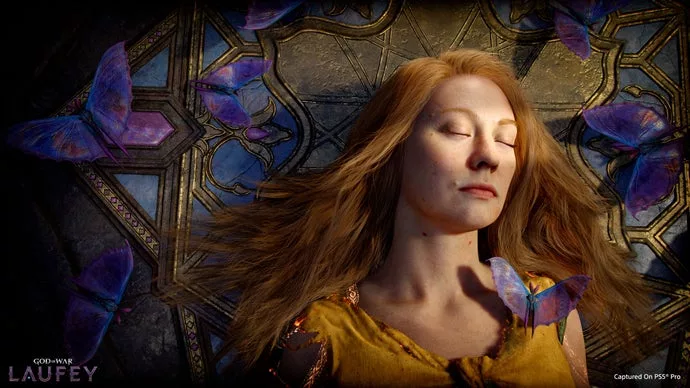
- The anticipated God of War Laufey shifts focus to a different character. Fonnesbech notes that while the 2018 reboot successfully refreshed the series by keeping Kratos at the center, replacing him entirely risks alienating the core fanbase.
- The Witcher 4 is also expected to feature a new central figure.

A common argument for changing leads is the potential to reach new audiences. However, Fonnesbech warns of the danger that studios might actually end up addressing only a subset of their original audience, slicing their player base thinner with each release.
Of course, giants like Star Wars can afford to experiment with genres and characters because their ecosystem has become a global brand. But for most studios, whose audience is measured in millions rather than hundreds of millions, character consistency and emotional continuity remain the primary keys to commercial success.
Флешка
