Why greenlighting Dressmaker wasn't an easy decision to make
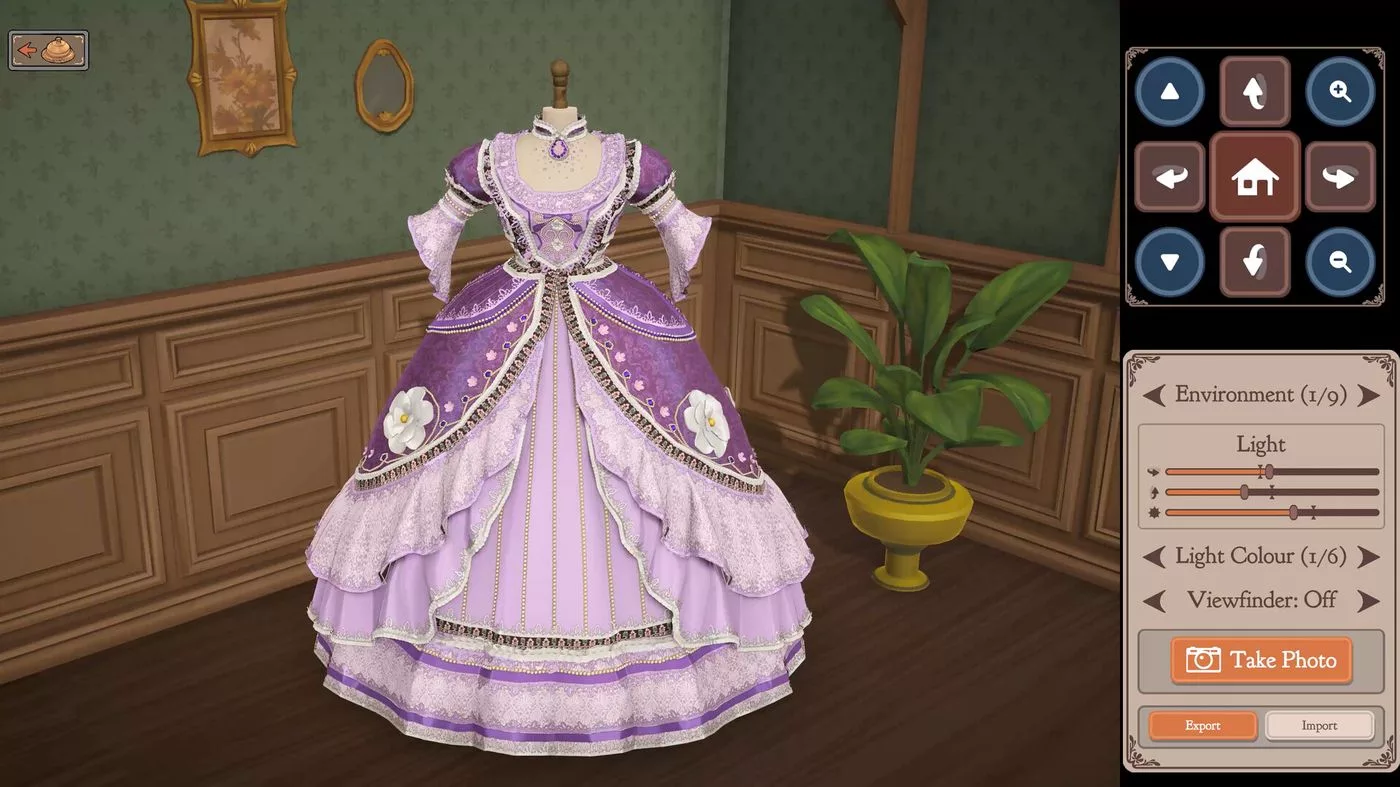
Dressmaker has emerged as the surprise sleeper indie hit of 2026, amassing thousands of 'overwhelmingly positive' reviews on Steam and sparking industry-wide debates about overlooked audiences. However, the road to its success was far from certain. During pre-production, the team at Free Lives faced a critical dilemma: the data suggested the game might fail to find an audience, making the decision to move forward a significant risk.
In a recent conversation on the GameDeveloper.com podcast, Dressmaker programmer and designer Ruan Rothman revealed that Free Lives has spent years refining a process to balance creative ambition with commercial viability. The central challenge for any developer is determining whether a personal passion project will resonate with a paying audience. To mitigate this risk, the studio has adopted a set of empirical heuristics to judge which ideas are worth pursuing.
Rothman explained that their approach relies on multiple layers of testing rather than intuition alone. The process typically follows three stages:
While this data-driven method aims to prevent the 'worst possible outcome'—spending years on a game that nobody wants—it is not without its own risks. Rothman noted that testing early prototypes can burn through marketing momentum, as maintaining interest from an influencer's initial coverage for two years until release is a difficult task.
A confusing signal for a new genre
Even with these metrics, the decision to greenlight Dressmaker was not straightforward. The first prototype, born from an internal game jam, was barely playable but sufficient for testing on Instagram. While the social media reaction was positive enough to justify a free itch.io prototype, the results were underwhelming by Free Lives' standards. The prototype secured 10,000 downloads in its first month—a relatively low figure compared to titles like Stick it to the Stickman, which reached over 100,000 downloads.
The signal was further muddied by a lack of organic traction. There was no spontaneous interest from content creators and no inquiries from publishers. For a studio that had never developed a 'cozy game' before, the data provided an ambiguous picture: was the interest real, or was the project simply failing to find its niche?
The limits of data-driven development
The success of Dressmaker has prompted questions about whether the studio's empirical approach actually worked. Rothman admitted that the team is still figuring out the lessons learned. He emphasized that no single metric is reliable; they have seen prototypes with high social media engagement fail to convert into actual downloads or Steam success.
For Free Lives, the goal isn't to turn development into a predictable factory line. The studio aims to create culturally relevant, standout hits, which inherently requires taking risks. This philosophy means that their next projects are likely to be as drastically different from their current portfolio as Dressmaker was from their previous work.