
Why a publisher you've probably not heard of is spending millions on its Gamescom presence
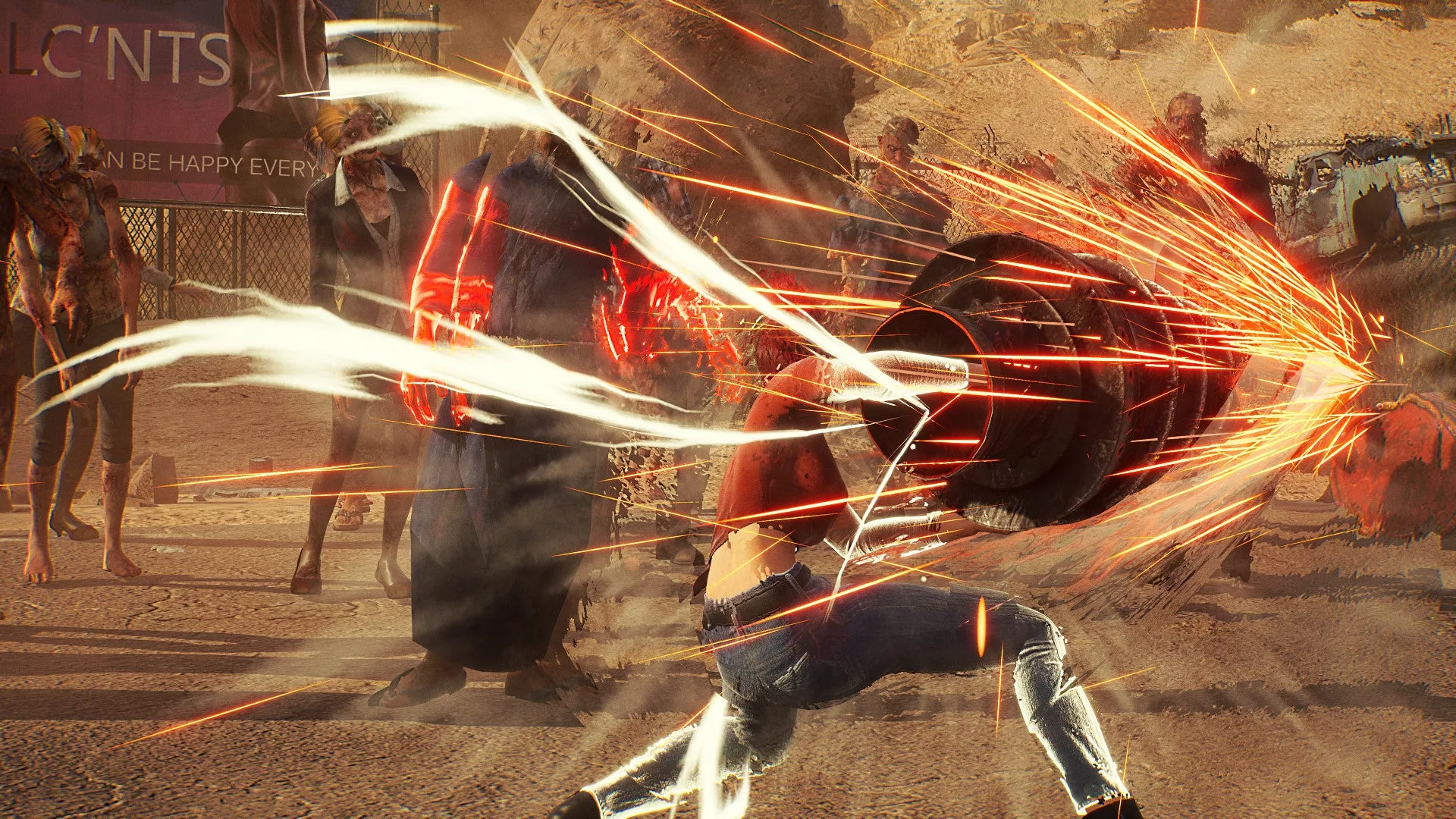
Walking the halls of Gamescom, the biggest booths usually belong to familiar giants like Capcom, Xbox, or Ubisoft. However, this year, a significant portion of Halls 6 and 7 is occupied by a name you might not know: 4Divinity. Philip Doust, director of 4Divinity's UK entity, describes the publisher's presence as "enormous by any standard".
The company is bringing six titles to the behind-closed-doors B2B area, five to trailer showcases, and four to the B2C showfloor across two stands, with the largest spanning 800 square metres. "We're using one of the best booth builders in Gamescom," Doust says. "There's been no expense spared on that front."
A major strategic pivot
While Doust cannot disclose exact figures, he confirms the investment is in the millions. "It's reflective of how seriously we're taking the western market," he says. 4Divinity is one of several gaming companies under the Singapore-based group GCL Global Holdings, which was historically built on physical distribution via Epicsoft.
"It's still a significant part of our business as a group, and we'll continue to do it as long as Sony allows," Doust explains. "But we recognise that it's a declining business." Hence the launch of 4Divinity in 2022 to co-publish western games for Southeast Asia.
The real catalyst for their global publishing shift was Black Myth: Wukong. GCL handled the game's physical PS5 distribution globally and acted as publisher in Taiwan. "Since the console ban was lifted in 2016, a lot of Chinese developers who've been working in the west went home," Doust notes. "Black Myth: Wukong was one of the first out of the gate, but there are increasingly more of them."
Betting on the AA sector and new IP
4Divinity now has a portfolio of eight games releasing within the next two years. "All our games are predominantly single player. They're 15–20 hour experiences. They're mid-tier priced," Doust says.
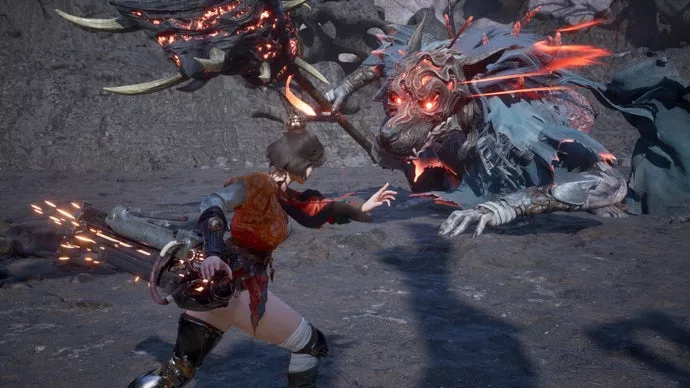
The strategy targets the "squeezed middle" of gaming: players unwilling to commit to live services or pay $80 for a single title, but willing to invest $40–50 in a high-quality single-player experience. Development costs in China are significantly lower, and Chinese players are price-sensitive, creating a supply drought for the West.
"Everything you're going to see at Gamescom is new IP," Doust adds. "Bigger companies are not taking bets on one new IP, let alone six."
Cross-border content strategy
4Divinity is attempting a "Silk Road" approach, marketing games in both directions. A notable example is Guns of Eschaton, developed by Cyprus-based studio Eschatology Entertainment. The publisher's first move was to take the game to Bilibili World in Shanghai.
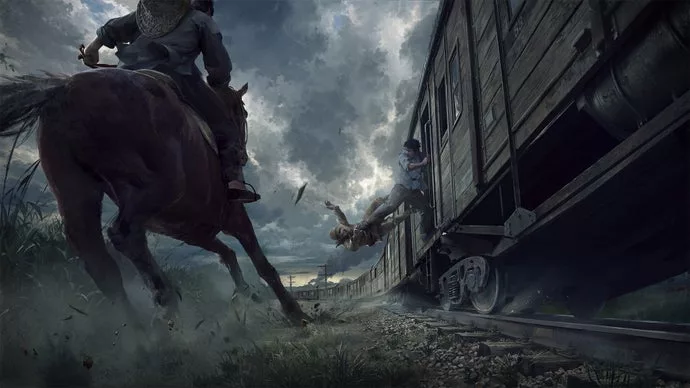
"No western company is doing that, certainly not that early in the campaign," Doust says. "That started enough of a groundswell that China is now the number-two wishlist country for the game, behind the US."
The massive Gamescom presence serves as the Western coming-out party for 4Divinity, allowing them to consolidate their portfolio and introduce themselves to the West simultaneously.
Флешка
