Where Winds Meet: Devs on the Journey to 1 Year and the Pursuit of Realism
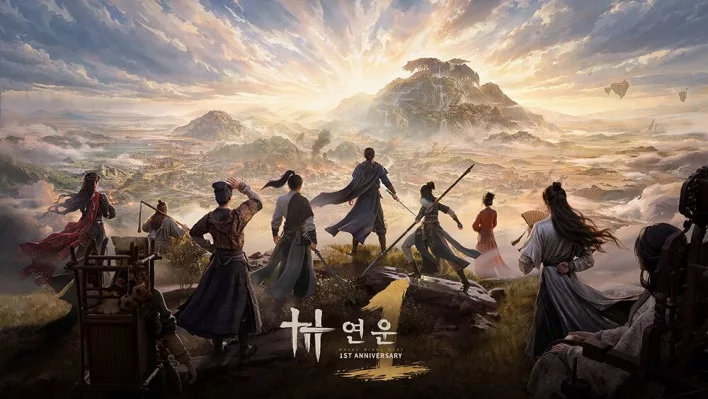
As Where Winds Meet celebrates its first anniversary of service, the team behind the open-world wuxia action RPG is looking toward a global future. Following a successful year that saw the title earn a Gamescom award and a TGA nomination, NetEase is doubling down on its commitment to its international audience. In a recent sit-down, Global Publishing Lead Eric Zheng and Lead Designer Max shared insights into the complexities of localizing a massive wuxia epic, the creative influence of legendary martial arts director Yuen Woo-ping, and the strategic shift toward catering to diverse player preferences through varied gameplay modes.
The first year of Where Winds Meet has been defined by a rapid ascent in the global gaming landscape. For NetEase, the milestone is more than just a celebration of longevity; it is a moment to reflect on the connection between developers and a growing community. Eric Zheng noted that the game's achievements, including its recognition at Gamescom and its TGA nomination, were driven by the passion of the players. He highlighted the importance of community feedback, citing a memorable comparison from Korean fans who likened the game's diverse gameplay to the harmonious flavors of Jajangmyeon—a metaphor that resonated deeply with the development team regarding the integration of various game elements.
The Localization Challenge and Cultural Nuance
One of the most significant takeaways from the past year has been the realization of the immense effort required for high-quality localization. Given the vast amount of dialogue and the intricate cultural nuances inherent in the wuxia genre, the team identified localization as a primary area for improvement. To address this, NetEase has established a dedicated team for the Korean version, treating it as their first major foreign language dubbing effort after English.
At the G-STAR 2026 event, the developers showcased a 15-to-20-minute Korean voice dubbing pack, a direct response to player demands. While the team is currently monitoring how players react to this audio content, Zheng indicated that a positive reception could lead to a full-scale expansion of the dubbed version. Beyond audio, the focus remains on refining text dialogue to ensure the emotional weight of the story is not lost in translation.
Expanding the World: Hutuo and the Spirit of 'Xia'
The 1st-anniversary update introduces the Hutuo region, a new area designed to deepen the player's understanding of 'Xia' (martial heroism). According to the developers, Hutuo serves as the narrative's starting point, intended to immerse players in the emotional struggles of common citizens during wartime. The goal is to force players to confront the ethical dilemmas of sacrifice and conviction in a conflict-torn world.
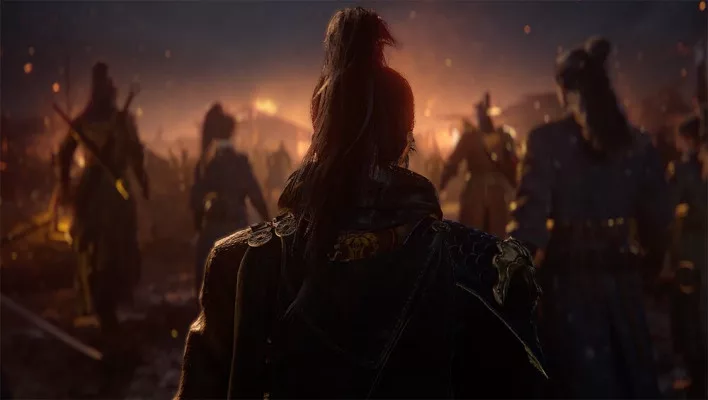
To complement this narrative expansion, the update includes:
The Yuen Woo-ping Influence: Balancing Fantasy and Realism
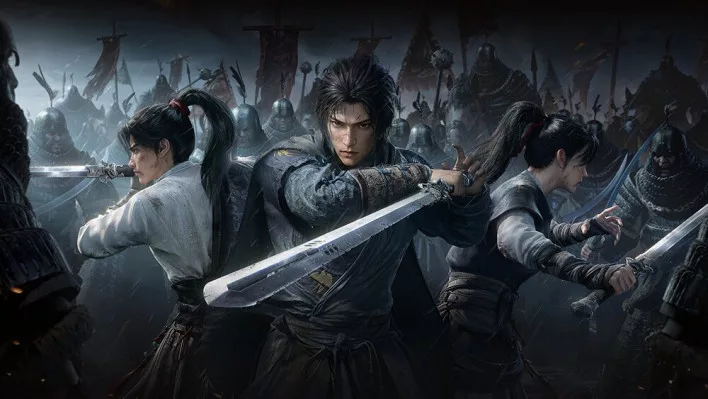
A standout feature of the recent development cycle has been the collaboration with martial arts director Yuen Woo-ping, known for his work on 'Crouching Tiger, Hidden Dragon.' The team revealed that Woo-ping’s involvement went far beyond mere consultation. He personally demonstrated movements to ensure accuracy, specifically correcting the mechanics of how a character uses waist power to thrust a spear.
Woo-ping’s philosophy for the game centers on a delicate balance: while the combat can be romanticized, it must never lose its sense of realism. He cautioned against 'nonsensical, superpower-like movements,' insisting instead that actions should remain believable and grounded, even within a stylized martial arts setting.
Balancing the Scales: PvP vs. PvE
As the player base has surpassed 100 million, the developers face the ongoing challenge of balancing a diverse ecosystem of content. Lead Designer Max explained that the approach differs depending on the mode. For PvP, the team relies on independent statistical tracking of weapon performance in the global version to maintain fairness. For PvE, the focus is on weapon diversity and sustained damage output during boss encounters, ensuring that players can find a fresh experience through different combat styles.
The challenge of bringing wuxia to a global audience is not merely a matter of translation, but of cultural accessibility. For NetEase, the goal has been to weave traditional Chinese culture into the gameplay without letting the genre's high entry barrier alienate non-Eastern players. One approach involves reinterpreting complex concepts like Tai Chi; rather than presenting it as something purely esoteric, the developers incorporated animal movements to make the practice feel more intuitive and engaging for a broader audience.
This focus on human connection extends to the narrative structure. In regions like Hexi, the developers prioritized the stories of ordinary people. While the roots of these narratives are deeply embedded in Eastern culture, the universal themes of human existence have allowed the content to resonate with Western players, with some even drawing parallels to the storytelling style of The Little Prince.
Visual Fidelity and DLSS 5
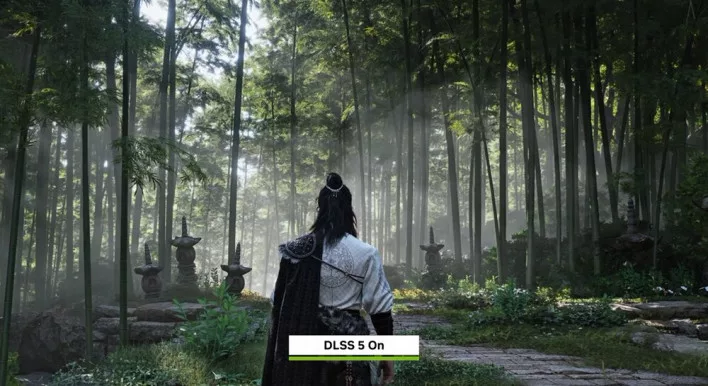
Regarding the technical evolution of the game, Eric Zheng addressed the implementation of DLSS 5, noting that the team has been in extensive discussions with NVIDIA. As a world-first implementation, the priority was not just chasing photorealism, but finding a delicate balance between realistic lighting and the game's specific artistic color palettes. The objective is to enhance visual quality without compromising the unique aesthetic identity of Where Winds Meet.
The Emotional Connection with the Korean Community
The developers expressed profound gratitude for the Korean community, noting that the passion of the players—ranging from fan fiction and animation to elaborate cosplay—has been deeply moving. This connection is a primary driver for the team's presence at G-STAR in Busan. For the developers, meeting the players in person is more than a promotional event; it is an opportunity to listen to direct feedback, including critical voices.
Eric Zheng compared the anticipation of meeting the Korean players to the excitement felt before meeting one's first love—a mix of nervousness and high expectation. Similarly, Max noted that seeing players cosplaying as the game's NPCs provided fresh motivation to continue improving the service and addressing the challenges of cross-platform localization.
The Jianghu Tactics Mode
A key feature highlighted is the Jianghu Tactics game mode, which aims to reflect the social dynamics of the game world. The mode is designed to maintain the relationships established by players: characters with hostile relationships will exchange sharp words or project tension upon meeting, while those with positive relationships will greet each other immediately, bringing the social essence of Where Winds Meet directly into the gameplay experience.