Webzen's 'Tyrant of a Defense Game': Making 'Commanding' the Core Experience
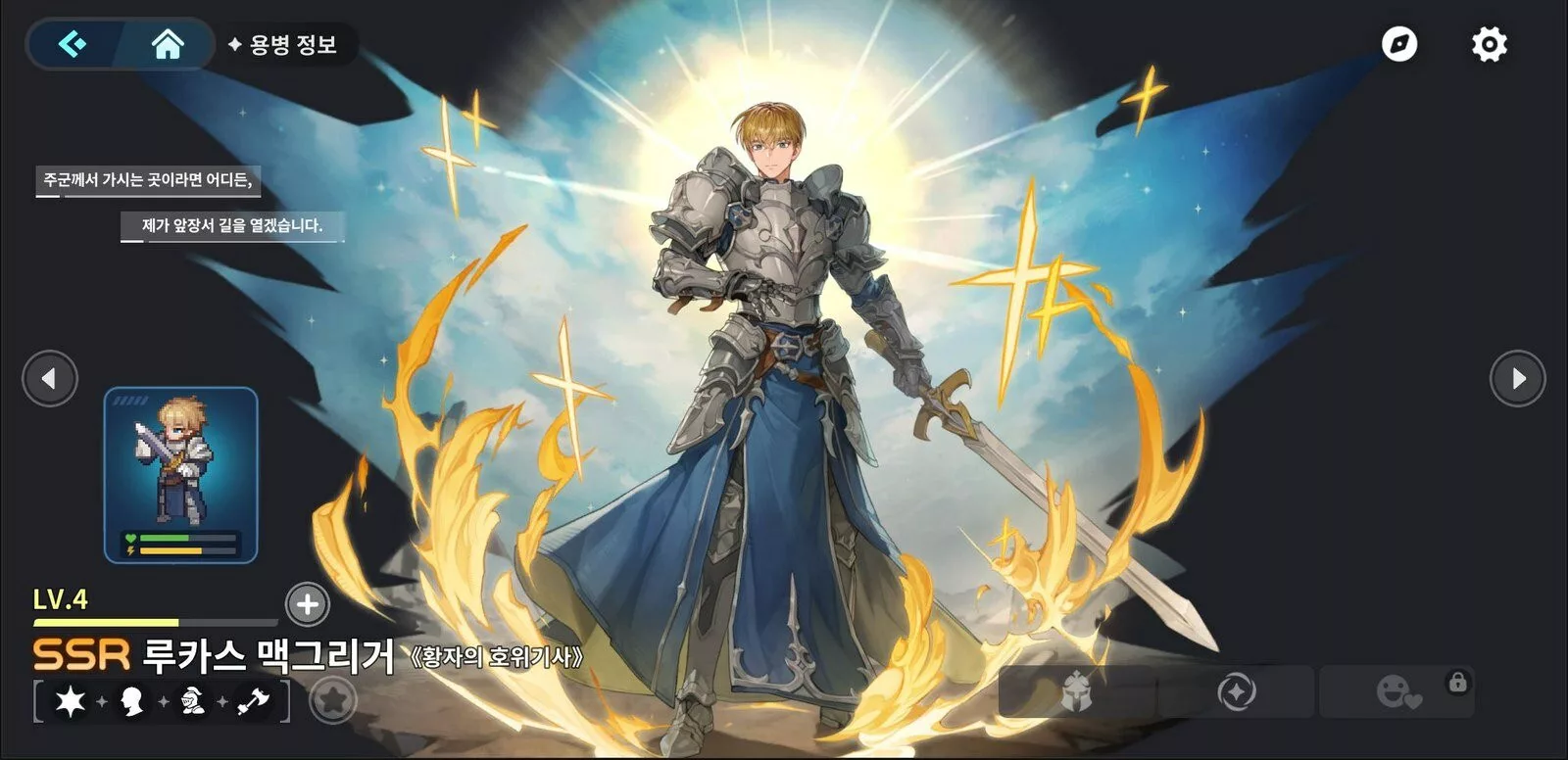
Adapting a story where the protagonist survives a brutal game world using meta-knowledge is a delicate balancing act. In the original work, the protagonist Ash relies on his experience clearing the notoriously difficult 'Protect the Empire' to stay alive. However, new players entering the world of 'I Became the Tyrant of a Defense Game: LAST STAGE' won't have that luxury. The challenge for developers is to bridge the gap between the desperate, high-stakes tension of the source material and the baseline expectations of a new player base. Following the G-STAR 2026 demo, we sat down with Webzen Crevix leadership to discuss how they intend to turn 'commanding' into the game's defining philosophy.
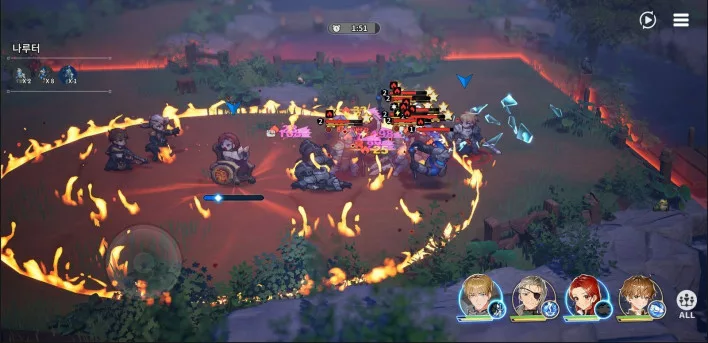
At G-STAR 2026, the demo build for 'Tyrant of a Defense Game' showcased a distinct visual style: diorama pixel art that layers pixelated characters over 3D environments. This aesthetic, paired with a gameplay loop of exploration, territory management, and defense battles, aimed to capture the atmosphere of the original work. While the demo's difficulty felt somewhat tame compared to the novel's signature desperation, and the time-pressure mechanics were not prominently featured, the developers suggest this was a calculated choice for the showcase.
Translating Narrative Through the Philosophy of 'Command'
A central question for the developers was how to replicate the feeling of being a commander. In the source material, the protagonist's advantage comes from strategic decision-making. Ryu Kwang-yeol, Lead Designer, explains that the team defined the genre as a 'command strategy RPG.' The goal is to provide players with meaningful choices across every content pillar, ensuring that the satisfaction of the gameplay comes from proving those strategic decisions correct.
Handling Character Loss and Narrative Fidelity
The original web novel is known for its high stakes, including the death or retirement of key companions. Implementing such mechanics in a game presents a risk: if a character becomes permanently unusable, it could halt player progression. To solve this, Ryu Kwang-yeol revealed that the team is looking at ways to capture the emotional weight of these losses without breaking the game's flow. This includes visual indicators on character portraits in the UI and specialized dialogue systems where deceased characters are handled separately in casual conversations. To respect player preference, a toggle to hide these specific dialogues will be available in the settings.
Content Scale and the Roadmap Ahead
With the web novel spanning over 800 chapters and the webtoon reaching 195 chapters across Season 2, the scale of the story is massive. CEO Kim Dong-hyun confirmed that the launch build will cover the 'Evangeline' arc. Post-launch, the team plans to expand the game through regular updates that follow the progression of the original media. To ensure a seamless experience, the developers are also preparing original story content to bridge the narrative gaps caused by time skips in the source material.
While fans of the original might find the world familiar, the developers emphasized that knowing the lore won't provide an unfair advantage or explicit gameplay hints. For those new to the franchise, the UI/UX is being designed to provide all necessary information within the game itself.
Business Model and Platform Strategy
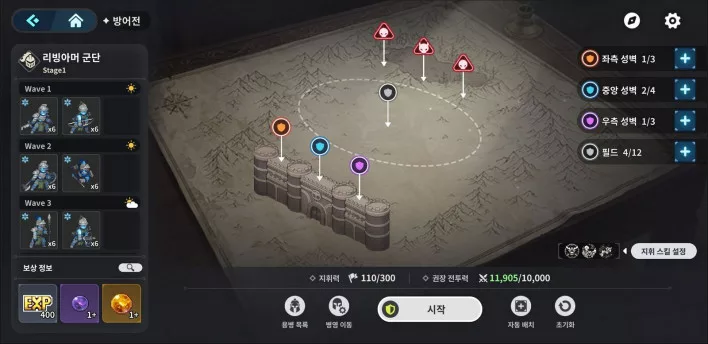
Despite the 'packaged game' feel of the experience, 'Tyrant of a Defense Game' is being developed for mobile and PC cross-platform play. The business model will incorporate hero-collection mechanics to reflect the original's focus on various heroes. However, the developers aim to avoid high hurdles for acquiring heroes; instead, they want to implement systems where active players can obtain all characters featured in the original work.
The Challenge of Defense and Exploration
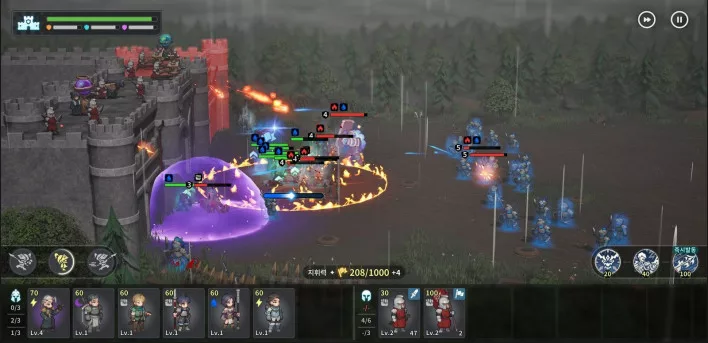
The development process involved significant deliberation regarding the game's core pillars. CEO Kim Dong-hyun noted that while 'Exploration' required the most effort to make the management and growth aspects engaging, 'Defense Battles' required the most intense deliberation. The team experimented with various perspectives, including top-down views and placing units directly on ramparts, before settling on the current format to best capture the scale of a grand defensive war.
This choice also extends to the game's difficulty. The developers admitted that the G-STAR demo was intentionally less punishing than the source material to avoid frustrating attendees. The 'hardcore' elements and the true sense of desperation intended for the final release are being reserved for later stages of the game.
Visualizing Grandeur Through Pixel Art and Camera Work
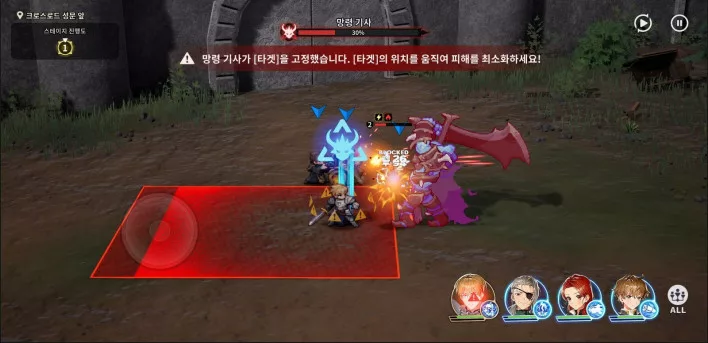
One of the primary challenges for 'Tyrant of a Defense Game' is translating the overwhelming scale of the original work—often featuring massive monsters and flashy effects—into a pixel art aesthetic. Art Director Lee Dae-hyun explained that while pixel art may not be the ideal medium for the source material's complex battles, the team is using 3D environments and scaled-up assets to maintain a sense of grandeur. To bridge the gap between 2D sprites and cinematic spectacle, the developers are looking toward film-inspired camera work and 3D visual effects to enhance the presentation without relying solely on the models themselves.
This visual approach also extends to character expression. Because subtle emotions like frowning are difficult to convey through pixelated heads, the team implemented a hybrid system: pixel sprites for gameplay, complemented by high-quality 2D artwork portraits within speech bubbles to ensure emotional clarity during narrative arcs.
The Role of AI and the Approach to Narrative Tension
Regarding the use of artificial intelligence, CEO Kim Dong-hyun clarified that while AI is utilized as a support tool for design and programming, it is not used for the game's core art. The team considers pixel art to be a core strength, and specialized artists are currently hand-crafting every single frame to maintain a human touch that AI cannot replicate.
The developers also addressed how to handle the tension found in the original novel, where a countdown to the next invasion creates a strict scheduling mechanic. While the current build focuses on a story-driven mode without time constraints to avoid turning the game into a pure management sim, the team plans to implement these high-tension elements through separate, standalone, or seasonal content formats in the future.
Live Service Strategy and Player Engagement
As a live-service title, the game's long-term engagement strategy avoids direct real-time PvP or cooperative play, as these elements are not present in the original work. Instead, the developers are looking at indirect competition, such as leaderboards for efficiency or high scores. To combat player fatigue during the repetitive resource-farming stages, the team plans to introduce 'Autonomous Exploration'—a system inspired by the original work that automates growth and reduces the need for manual re-clearing of regions.
Cross-Media and Future Content
Webzen is also exploring potential collaborations with the Naver Webtoon adaptation of the IP. While nothing is finalized, discussions are ongoing regarding the possibility of incorporating game storylines into the webtoon or using the webtoon to reveal narrative elements ahead of the game's release.
Visual Evolution and the Road to CBT
While the recent demo focused primarily on pixel art, Webzen is preparing to elevate the visual presentation for the upcoming Closed Beta Test (CBT). CEO Kim Dong-hyun confirmed that the CBT will aim to showcase how fun the game is, with plans to open up core content pillars and include more story elements. The studio also intends to add more story presentation through various mediums, including webtoon panels and illustrations, potentially showing scenes that were never depicted in the original work.
Visual Evolution and the Roadmap to 2027
While the recent demo focused primarily on pixel art, Webzen is preparing to elevate the visual presentation for the upcoming Closed Beta Test (CBT). CEO Kim Dong-hyun confirmed that the CBT will feature a significant increase in character and dialogue illustrations, providing a deeper look at the game's aesthetic direction beyond the initial technical showcase.
Bridging the Gaps: Original Content and Lore Integrity
One of the most complex challenges in adapting an existing IP is handling the narrative gaps left by the original source material. Kim Dong-hyun addressed how the team intends to handle time skips and omitted segments within the original story.
The development strategy involves a two-pronged approach to storytelling:
Crucially, Kim Dong-hyun emphasized that the core priority is maintaining strict fidelity to the established lore. The goal is not to rewrite the history of the world, but to interpret and weave in unrevealed stories that satisfy reader curiosity without breaking the fundamental framework of the original work.
Release Timeline
Regarding the release timeline, the studio is looking further ahead than initially anticipated. Kim Dong-hyun stated that the current plan is to target a launch in the first half of 2027.