

Warlock builds magic system around game-bending player choices
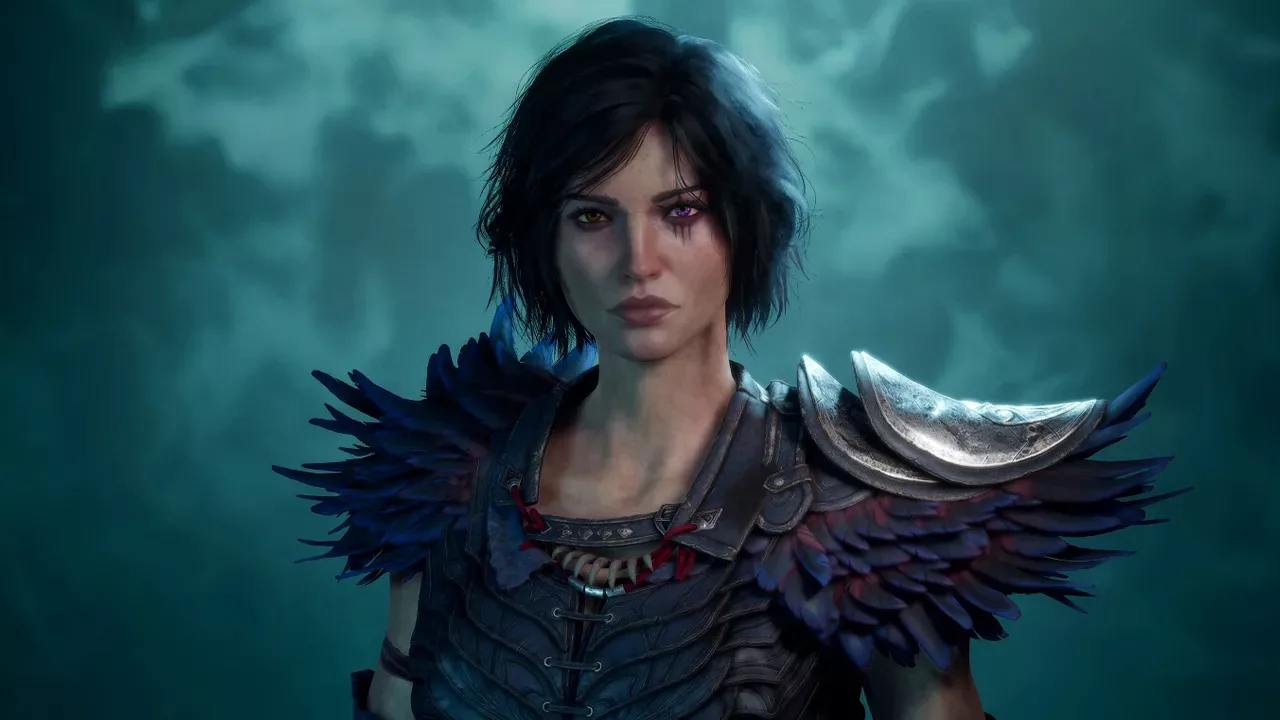
In a recent interview at GDC, Jeff Hattem, founder and creative director of Invoke Studios, revealed how the upcoming single-player action-adventure title Warlock was designed to honor the spirit of Dungeons & Dragons without relying on traditional role-playing mechanics. The studio faced a unique challenge: capturing the chaotic freedom of tabletop role-playing games in a linear narrative experience. Their solution was not to limit player choice, but to build a magic system that bends game logic itself, turning potential exploits into intentional features.
For Jeff Hattem, a veteran Dungeon Master with over 25 years of experience, the core essence of Dungeons & Dragons is not monsters or dungeons, but ultimate player agency. However, translating this boundless freedom to a single-player game requires careful balance. In Warlock, the team chose to focus entirely on magic as the primary vehicle for player expression. By making spells interact dynamically with the environment, weather systems, and terrain, the developers forced themselves to rethink traditional game design constraints.
The development philosophy at Invoke Studios is defined by a unique approach to bugs. During rigorous playtesting sessions, whenever a tester used magic in a way that broke the game's intended logic, the team did not simply patch it. Instead, they flagged these moments as opportunities to expand the world. A specific example involves a spell that summons eldritch tentacles capable of grabbing objects and creating makeshift platforms. Early on, a tester discovered they could chain this spell repeatedly to reach previously inaccessible areas.
Instead of nerfing the spell or restricting its use, Invoke Studios embraced the discovery. They redesigned those newly accessible zones into secret treasure troves, rewarding players who found creative ways to manipulate the game systems. This approach ensures that the magic system remains robust and encourages entrepreneurial flair rather than punishing clever experimentation.
Narrative delivery in Warlock also reflects this commitment to player agency. Hattem admitted that as a Dungeon Master, he sometimes falls into the trap of "railroading" by over-explaining lore or forcing story beats through cutscenes and excessive dialogue. The studio learned to avoid overwhelming players with exposition dumps.
Instead, Warlock offers optional interactions where players can choose to engage with world-building elements if they wish. Whether reading lore entries or having conversations with companions, the content is available but not forced. This allows the story to unfold organically, rewarding curiosity without punishing those who prefer to focus on action and magic.
The studio has grown significantly since production began in 2022. Starting with around 50 employees, Invoke Studios has scaled to approximately 180 staff members by late 2026. Hattem describes this measured expansion as essential for establishing a clear organizational structure that still retains creative flexibility. The team operates with a shared vision rather than rigid directives, allowing them to iterate on the game continuously.
"It's never right on the first try," Hattem noted regarding the development process. The studio embraces early failures and rough iterations as necessary steps toward the final product. This iterative mindset is evident in every aspect of Warlock, from its systemic magic interactions to its respectful handling of Dungeons & Dragons lore.
Warlock is currently scheduled for a 2027 launch. The game aims to capture the chaotic energy and absurdity of tabletop role-playing games while delivering a polished single-player action-adventure experience. By building player agency around magic rather than traditional RPG stats, Invoke Studios hopes to create a unique entry point for fans of the Dungeons & Dragons universe who may not typically engage with role-playing mechanics.
Флешка
