
The Economics of War: Why WARDOGS is More Than Just Another Shooter
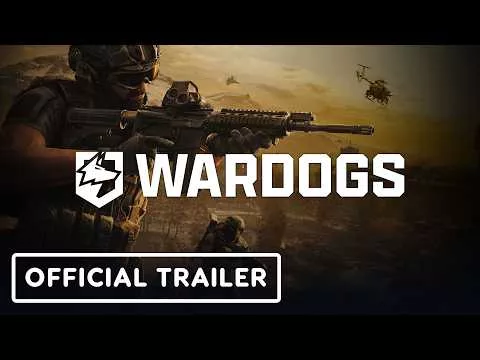
In most large-scale shooters, medics roam the battlefield looking for downed soldiers to revive. In WARDOGS by Bulkhead, medics look for downed soldiers to collect a paycheck. This isn't just a gameplay quirk; it's a fundamental shift in player motivation. By making personal profit and factional supremacy exist in a fragile, often conflicting alliance, the game transforms a standard shooter into a fascinating real-time critique of late capitalism and the gig economy.
A Hybrid of Scale and Simulation
At its core, WARDOGS is a hybrid that draws from two distinct lineages. On one hand, you have the massive, chaotic scale of DICE's Battlefield series; on the other, the simulationist, methodical DNA of Bohemia Interactive's ArmA. The primary game mode is essentially a massive-scale version of King of the Hill: three teams vie for control of a central zone on a vast map. The first team to reach 100 points by holding the zone wins the match.
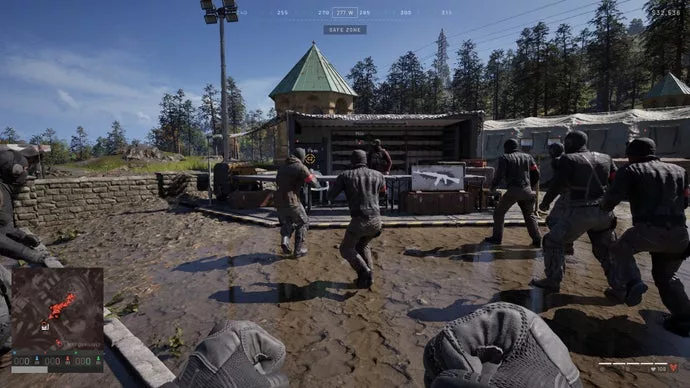
The real intrigue begins with the economy, which feels heavily inspired by Counter-Strike. Every mercenary starts with a buy-phase, using a personal pool of in-game currency. You begin with $10,000—just enough for a rifle, some ammo, and a basic kit. As you progress, high-end loadouts become significantly more expensive, making every decision a financial one. The beauty of the system is that almost every action is monetized: kills, assists, reviving players, driving transport, or even constructing fortifications all yield cash. Even idling in the control zone provides a steady income, which increases in the roaming Hot Zone.
This creates a level of role-diversification reminiscent of ArmA RP servers. Players naturally gravitate toward specialized roles driven by profit: some become logistics drivers, others focus on building elaborate fortifications around a Forward Operating Base (FOB), and some act as spotters, earning cash by identifying enemy aircraft or snipers through binoculars.
Atmosphere and Combat Flow
Beyond the economic layer, WARDOGS succeeds as a shooter. The maps are expansive, pastoral landscapes that capture the serene, almost hiking-simulator vibe of ArmA, only punctuated by the sudden, violent reality of war. The transition from the quiet countryside to the chaos of the control zone—where the breeze is replaced by the snap of sniper rounds and the roar of helicopters—is masterfully executed. Unlike many tactical shooters, the movement is snappy and the combat is responsive, avoiding the 'wading through treacle' feeling often found in the genre.
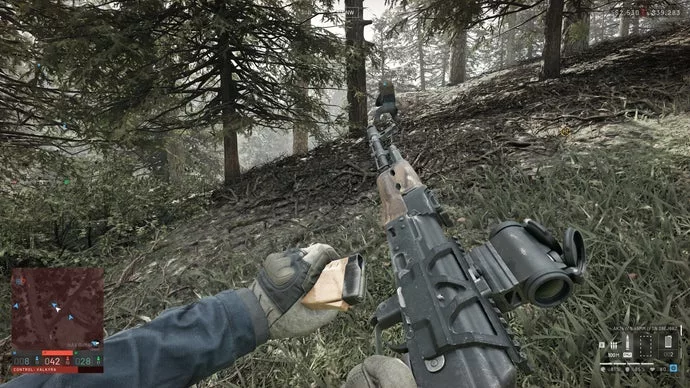
The progression system also eschews traditional fixed classes. Instead, your role is defined by your actions. Using a defibrillator earns you medic XP, while working with a building hammer develops your support skills. This fluidity allows for organic squad play, where players can seamlessly transition between roles based on the immediate needs of the battlefield and their own bank accounts.
The Profit Paradox
However, the game possesses a fascinating flaw that feels more like a social experiment than a design error. In WARDOGS, actively trying to win the match is often the least profitable way to play. Entering the control zone requires a massive financial investment in ammunition and gear, and the risk of death means losing money. While winning provides a substantial end-game cash bonus, it often fails to compete with the steady, low-risk income earned by staying in the rear, building bases, or performing reconnaissance.
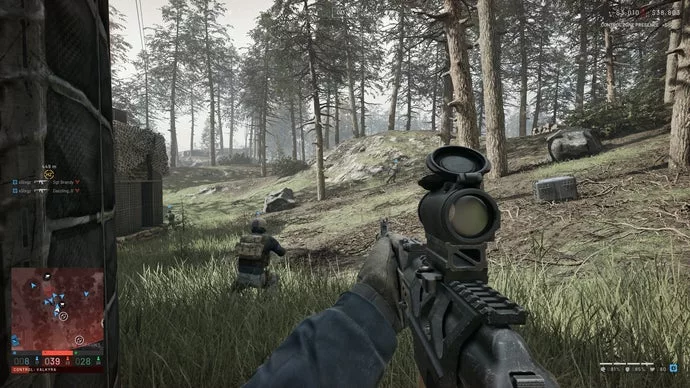
This creates a bizarre tactical landscape: you might find a team's FOB crowded with snipers and builders securing their personal wealth, while the actual Hot Zone remains largely uncontested. The individualistic drive for profit fragments the team-based objective, making players prioritize their own bottom line over the collective victory. It is a cynical, brilliant, and occasionally frustrating mechanic that challenges the very nature of multiplayer shooters.
Verdict
WARDOGS is a jolt of electricity for the FPS genre. While the tension between individual profit and team victory is a significant balancing act that Bulkhead will likely refine during Early Access, the core experience is captivating. It is a fresh, engaging take on large-scale warfare that asks a compelling question: in a world of mercenaries, is victory worth the cost?
Зануда
