

Valve leaked Left 4 Dead 2 trailer to bypass ESRB
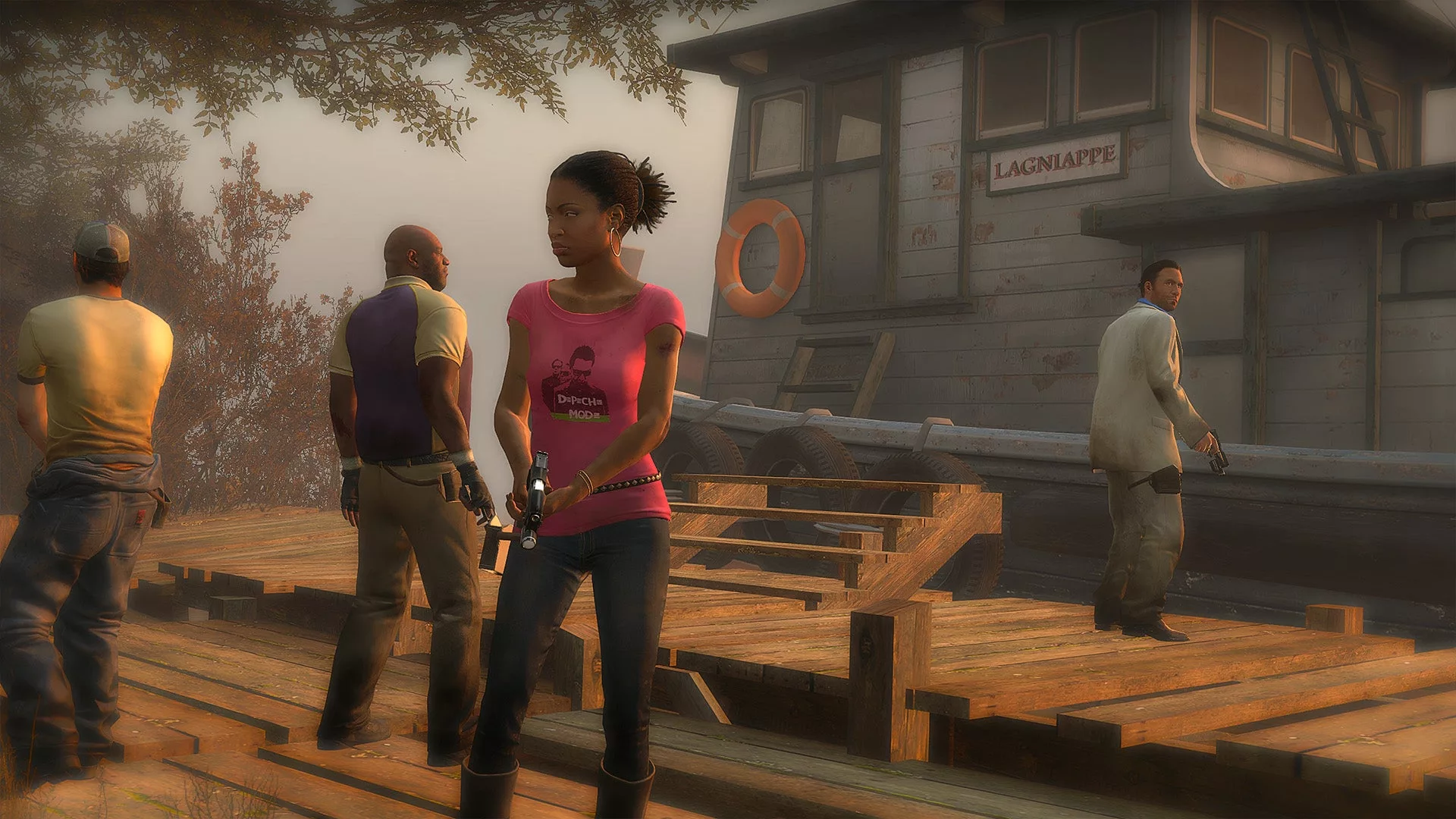
Valve intentionally leaked the cinematic trailer for Left 4 Dead 2 because the ESRB refused to approve its official release, according to designer Chet Faliszek.
Faliszek, who served as a writer at Valve and is a designer on the Left 4 Dead series, recently shared details about the development process in an interview with Ars Technica. He explained that the decision to bypass official channels stemmed from strict rating board regulations regarding the game's marketing materials.
During the development of Left 4 Dead 1 and Left 4 Dead 2, Valve faced significant legal and regulatory challenges in multiple regions, including the United States, Australia, and Germany. These conflicts primarily centered on the game's use of profanity and depictions of violence. Faliszek noted that a Valve lawyer intervened to ensure the writing team adhered to specific guidelines, resulting in the removal of certain strong language, particularly F-bombs, from the final build.
While the team debated the necessity of such restrictions, the legal counsel maintained a cautious approach to avoid potential penalties. This regulatory pressure extended beyond the game itself to its promotional assets. The ESRB imposed strict constraints on the cinematic trailer, preventing Valve from releasing it through standard official channels at the desired time.
Faced with this impasse, the development team chose to release the trailer as an unauthorized leak. Faliszek admitted to this strategy, stating that they leaked the content ahead of schedule because the rating board would not permit its official distribution. He added with a touch of humor that he does not believe they could face legal consequences for the action now, given that it occurred approximately 20 years ago.
This anecdote highlights the complex relationship between game developers and rating boards during the late 2000s, where marketing materials were subject to the same scrutiny as the games themselves. The Left 4 Dead series remains a notable example of how regulatory environments influenced creative decisions and release strategies in the industry.
Флешка
