

Valve considered making a new VR game for Steam Frame instead of adapting Half-Life: Alyx

Valve has a history of pairing new hardware with a flagship title: Aperture Desk Job launched alongside Steam Deck, and Half-Life: Alyx served as the centerpiece for the Valve Index. For the upcoming Steam Frame, the company faced a strategic choice: develop a brand-new VR experience or tackle the massive technical challenge of making Half-Life: Alyx run in standalone mode.
According to interviews with Valve staff, the decision to focus on Half-Life: Alyx rather than a new tech demo or a collection like The Lab was driven by the need for ecosystem compatibility. SteamOS developer Pierre-Loup Griffais explained that the goal was to ensure the entire Steam catalog could be experienced on Steam Frame, whether through PC VR wireless streaming or via the headset's internal hardware. This approach allows users to jump into existing hits like SuperHot VR or Beat Saber immediately.
The technical undertaking of porting Half-Life: Alyx to the headset's mobile-class hardware was described as a monumental task. Valve programmer Robin Walker noted that using Alyx as a development target provided invaluable insights into the software stack. Rather than just making a game, the team used the project to debug drivers and optimize performance for the entire platform. Engineer Autumn Aston added that most of the fixes implemented for Alyx are applicable to virtually any game running on Steam Frame.
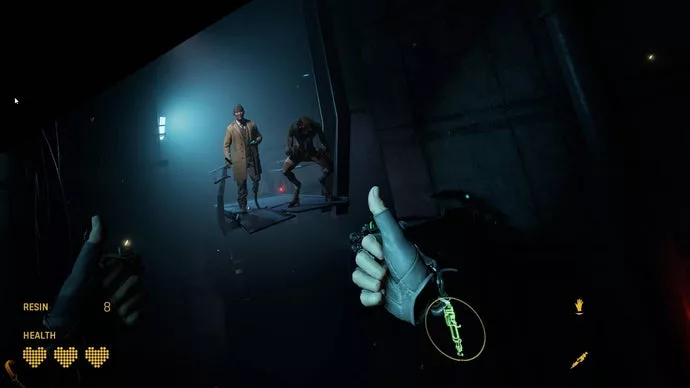
The breakthrough that made standalone Half-Life: Alyx possible relied on two critical hardware features:

- Advanced foveated rendering and eye tracking technology, which significantly reduced the computational load.
- The inclusion of 16GB of RAM, which developers claim was essential for the game's performance.
Interestingly, the team initially viewed the idea of running Half-Life: Alyx on a Snapdragon-based architecture as
Флешка
