
Trails in the Sky 2nd Chapter Review: A Perfect Blend of Nostalgia and Modern Tempo
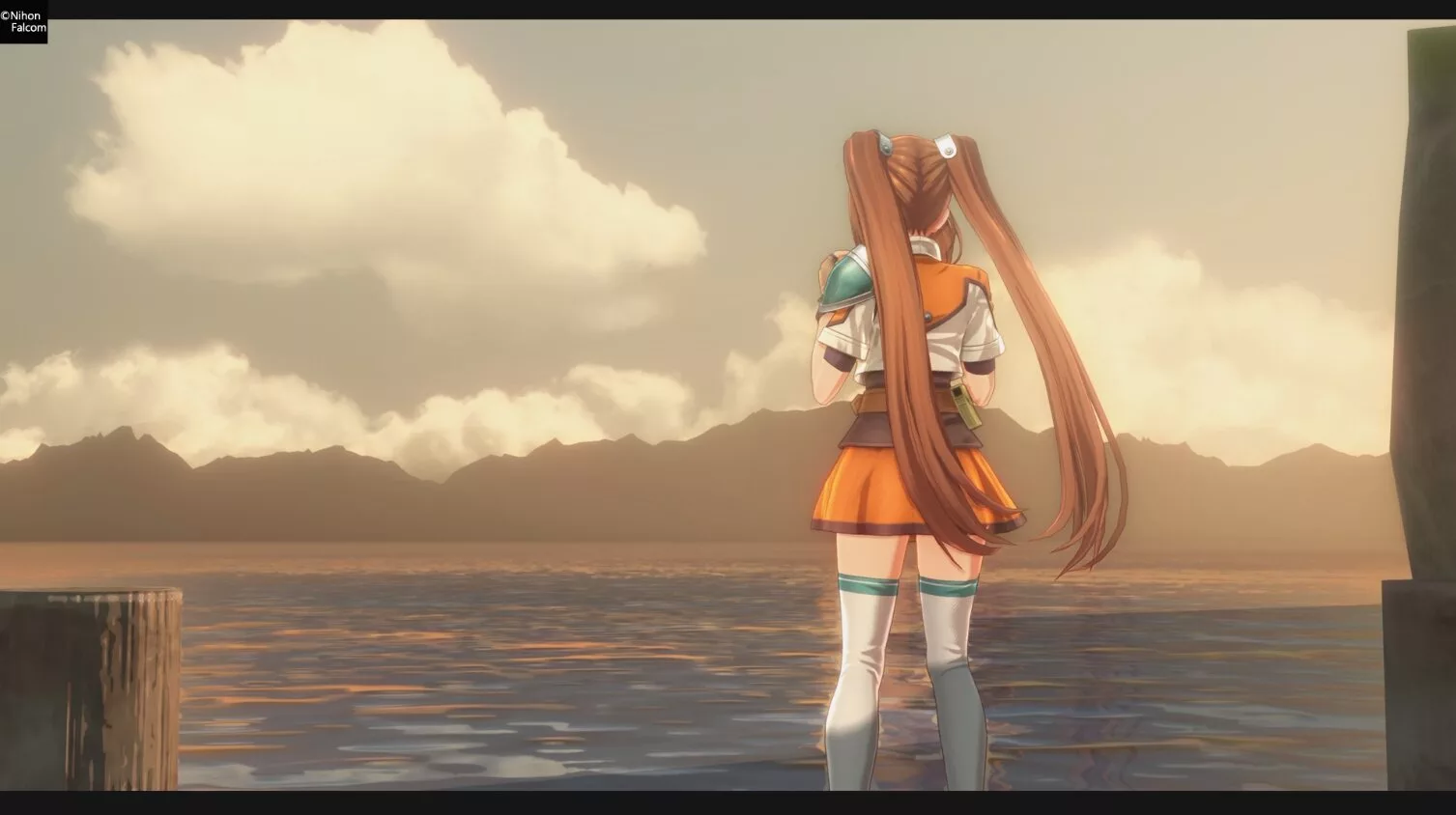
Trails in the Sky 2nd Chapter refines the hybrid combat system introduced in the first remake, adding a new field-battle mechanic that significantly accelerates the game's pace. Nihon Falcom has successfully balanced the series' classic turn-based tactical depth with modern real-time elements, creating a seamless experience that respects the original 2004 release while feeling fresh and responsive. The review highlights how the game's level design, updated quartz system, and polished narrative presentation make it a standout entry in the Trails franchise, though it remains a direct sequel that requires prior knowledge of Trails in the Sky 1st Chapter for full appreciation.
The Trails series, a cornerstone of Nihon Falcom's identity, has crossed the 20-year mark and is currently undergoing a comprehensive return to its roots. Following the release of Trails in the Sky 1st Chapter in September of last year, the remake of its sequel, Trails in the Sky 2nd Chapter, is set to launch on September 17. The first installment demonstrated how two decades of development expertise could be applied to preserve the nostalgic feel of the classic JRPG while integrating modern sensibilities. This naturally raised expectations for the second part: existing fans were curious about how the story's escalation would be rendered with contemporary graphics and scale, while newcomers who started with the first chapter were eager to see if Estelle and Joshua would reunite. Trails in the Sky 2nd Chapter builds upon the successful formula of its predecessor, delivering a satisfying experience for both long-time followers and new players.
Accelerated Tempo Through Hybrid Combat
When most players think of JRPGs, turn-based command battles come to mind. This format, established by titans like Dragon Quest and Final Fantasy, has endured not merely due to tradition but because it offers a unique strategic satisfaction. Much like chess or shogi, the turn-based system allows players to read the enemy's moves and carefully counter them, minimizing damage while maximizing tactical advantage. However, compared to real-time action games, the back-and-forth sequence of turns inherently slows the pace, creating a barrier to entry for some players.
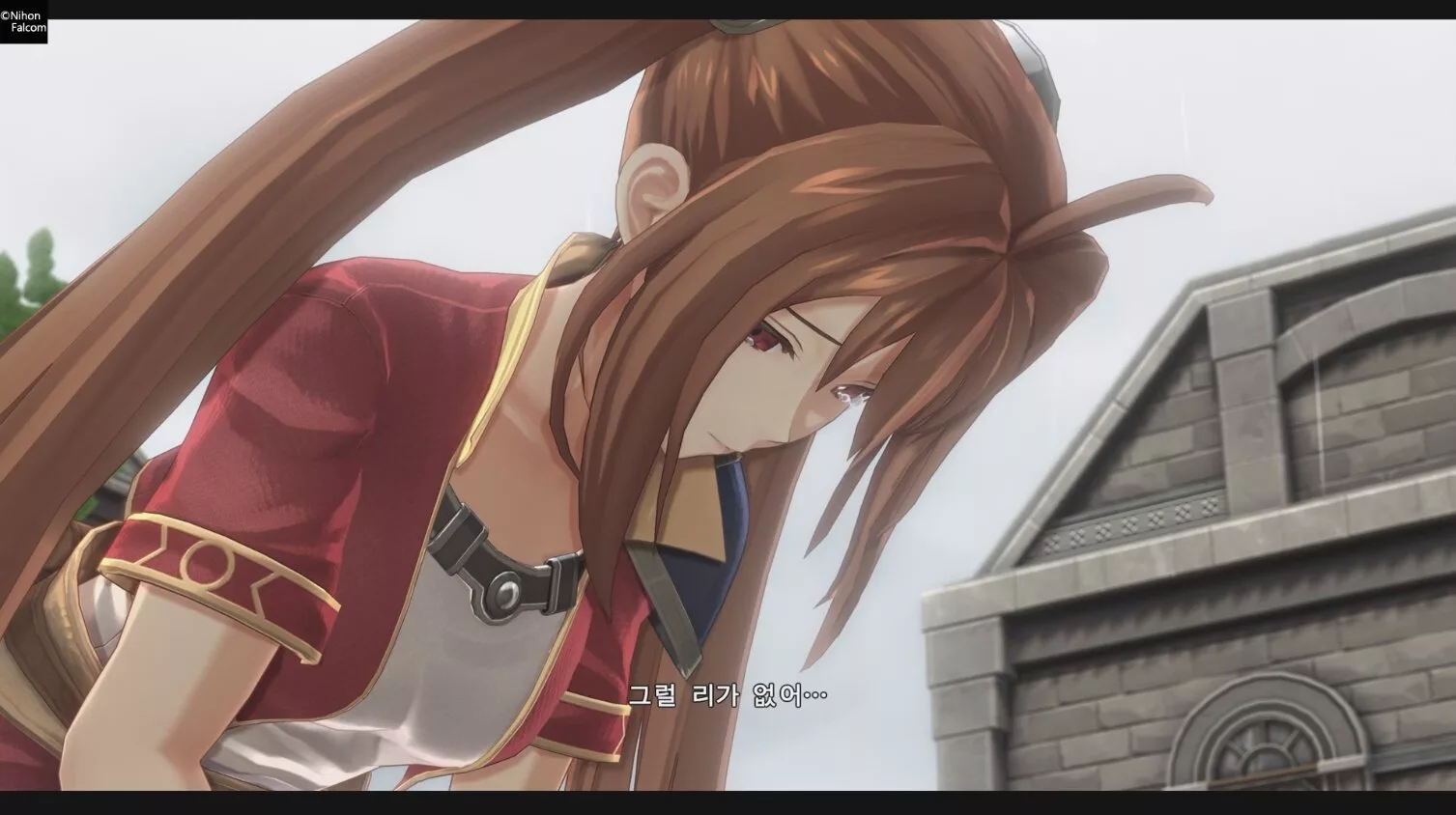
Lowering this barrier has become a central focus for modern JRPG developers. Nihon Falcom began addressing this issue with the Trails of Cold Steel series by introducing a high-speed mode and a "field battle" system. In field battles, players engage enemies in real time on the map and can transition to command battles at a chosen moment. This hybrid approach has evolved through Trails of Cold Steel, Trails in the Sky 1st Chapter, and now Trails in the Sky 2nd Chapter, with each iteration refining the balance between action and tactics.
Despite the addition of real-time elements, the core of the Trails series remains turn-based command combat. Consequently, field battles in this title do not fully replicate the feel of a dedicated action RPG. They serve primarily as a way to quickly clear minor encounters or gain a tactical advantage before transitioning to command battles. While this "bridge" to the main combat phase is efficient, relying solely on basic attacks and dodges can become repetitive. Given the expanded scope of Trails in the Sky 2nd Chapter, addressing this potential monotony was a critical design goal.
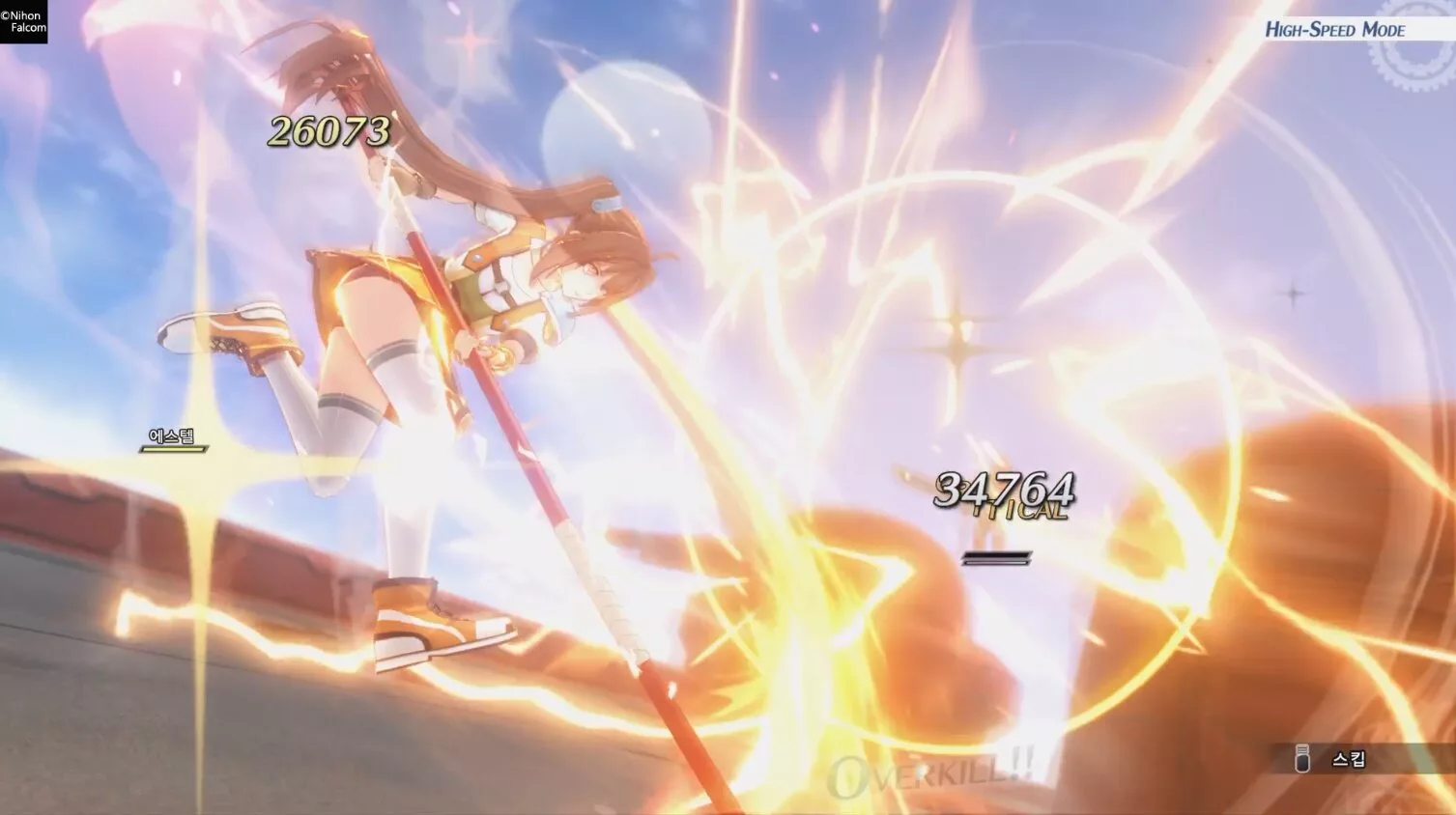
The solution is the new "Brave Rush" system. This mechanic allows players to consume two units of the Brave Gauge during field battles to execute a wide-area special attack alongside their party members. This enables the rapid defeat of regular mobs without entering command battles. In Trails in the Sky 1st Chapter, transitioning to command battles was almost mandatory outside of the very early game. Players would typically stun an enemy, switch to command mode, and immediately use Brave Attacks, Chains, or Bursts to seize the initiative. While this was faster than the original turn-based system, the addition of Brave Rush in the second chapter dramatically accelerates the early-game tempo.
Since most players of Trails in the Sky 2nd Chapter will have already completed the first chapter, the design caters to those who wish to skip through basic tutorial sections or previously seen areas. The decision to allow players to use the Brave Gauge directly in field battles to quickly progress through the early game is a bold and effective choice that respects the time of returning players.
Strategic Depth and Level Design
The game does not neglect its core turn-based combat. While regular mobs benefit from the faster field-battle tempo, elite enemies and bosses still require command battles. These encounters are enhanced by tactical elements such as Sub-Abilities, which can be triggered conditionally even when it is not the player's turn, and S-Crafts, ultimate moves that can be used immediately once their gauge is full, regardless of turn order. These features add a layer of tactical nuance tailored to the Trails in the Sky narrative.
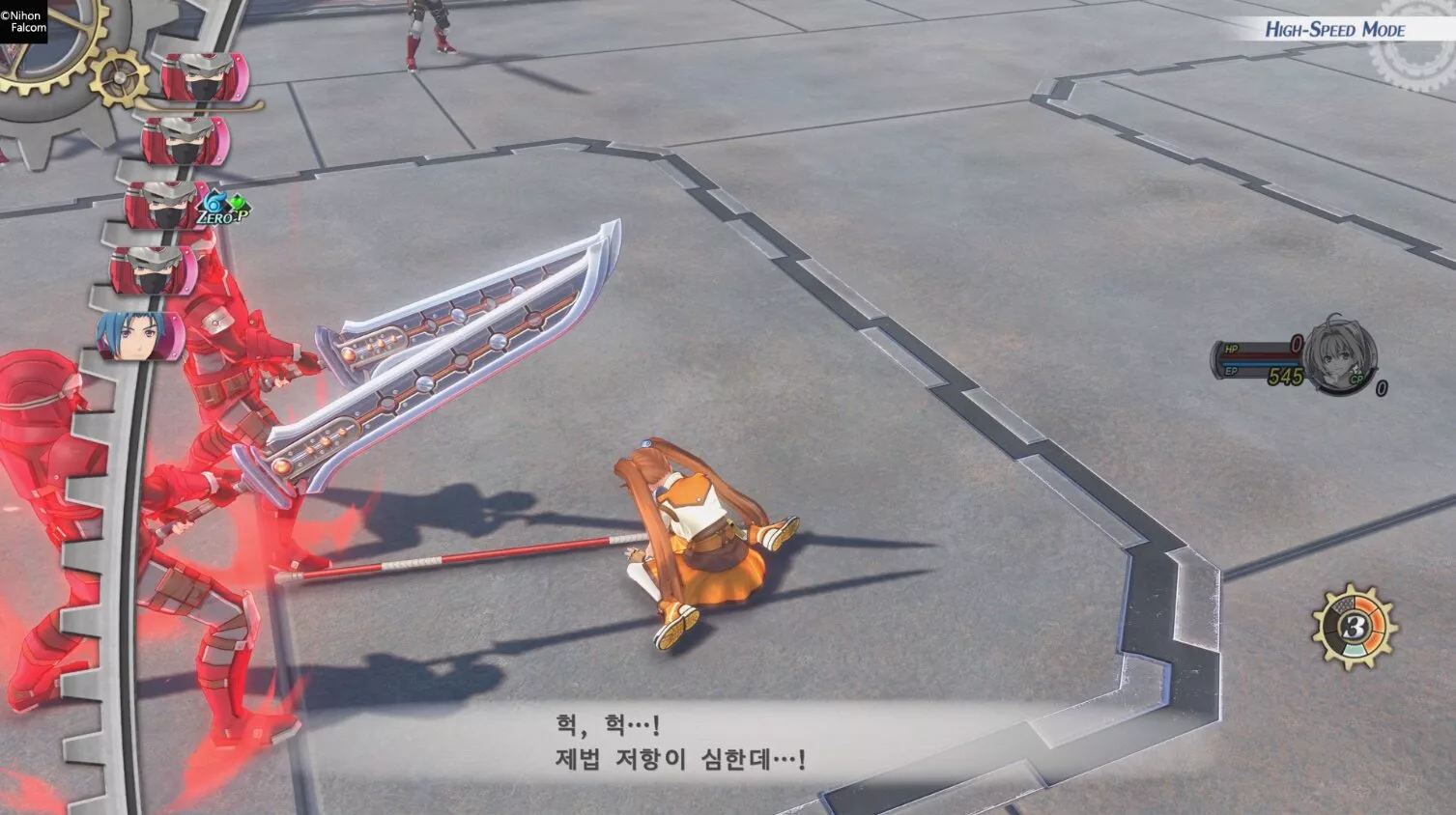
With the second chapter featuring more high-difficulty battles, there is a risk that adding tools only to the player's side could make the game feel unbalanced. This is particularly relevant given the prominent role of Ouroboros, one of the series' main antagonistic factions. The game addresses this by introducing "Legion Boost" for Ouroboros Executors. Unlike the previous "Rage Boost," which increased stats and advanced turns before delivering a strike, Legion Boost consumes a significant number of turns. Some Executors combine this with flashy Arts and Crafts to launch devastating assaults that can overwhelm the player's party.
For players who have not experienced the original Trails in the Sky, this can be a shock. Without prior setup, the late-game encounters with characters like Ren can result in sudden instant-death attacks, leading to frustrating retries. The game employs a "learn by failing" approach, which was common in older titles but can feel like a barrier to entry today. However, because this intensity is tied to the character identities and narrative stakes, it cannot be easily softened without compromising the story's impact.
To mitigate this frustration, the level design has been carefully adjusted. The number of treasure chests containing revival items, such as Zeram Powder, has been increased. In the early and mid-game, these items are expensive, and players often fail to stock up. By placing these chests in visible locations rather than hiding them, the game ensures that players are prepared for emergencies. This design choice prevents the flow of the story from being interrupted by repeated failures, allowing players to maintain momentum.
Additionally, the cooking system has been enhanced with special recipes that have a chance to grant powerful buffs. These buffs can turn the tide in difficult encounters, allowing players to clear sections that previously required multiple retries. By integrating these small but impactful elements into the level design, Trails in the Sky 2nd Chapter maintains a smooth and engaging tempo from start to finish, allowing the story to shine without being bogged down by mechanical frustration.
Visuals and Narrative Presentation
It is important to note that Trails in the Sky 2nd Chapter is a direct sequel to the first chapter. It is not a standalone entry but a continuation of the story. Therefore, it is strongly recommended to play Trails in the Sky 1st Chapter before diving into this title. While the game includes a summary of the first chapter's plot at the start, this is not a substitute for the full experience. One of the joys of the second chapter is revisiting locations from the first chapter, now with a deeper understanding of the unfolding conspiracy.
Even without prior knowledge, the second chapter is not a half-baked experience. The first chapter served as the setup and development, introducing the characters and the initial conspiracy. The second chapter is where the story truly begins to unravel, connecting the personal journey of Estelle and Joshua to larger themes involving the war between the Kingdom and the Empire, ancient dragons, and ancient civilizations.
Given that the original game was released 20 years ago, there is a concern that the emotional tone and thematic depth might feel dated. While interpersonal relationships remain timeless, philosophical and political themes can be sensitive to the era in which they are presented. The visual presentation of these themes is particularly challenging. Nihon Falcom has focused on preserving the original's emotional core while adapting it to modern full-3D graphics.
While the graphics have not seen a revolutionary leap in quality compared to the first chapter, the development team has employed a strategy of selective focus. In cutscenes, they avoid using flashy skill effects unless they are part of the actual combat, instead directing the player's attention to key narrative moments. While some background details may appear rough, the overall presentation is polished enough to maintain immersion. As players progress, the initial sense of "almost there" gives way to appreciation for how the classic JRPG sensibility is rendered in modern graphics.
The experience shifts dramatically when Oriol is activated. The quality of the presentation rises, with careful attention to detail in the final battle stages. This creates a fitting climax for the expanded narrative of Trails in the Sky 2nd Chapter. While some segments involving Cassius's indirect assistance may feel thin, this is consistent with the original and helps maintain the story's pace, preventing it from becoming sluggish due to excessive exposition.
A Model Remake and Beyond
Trails in the Sky 2nd Chapter is not just a model remake; it is an improvement over the first chapter. The game refines the systems introduced in the first chapter, making the transition into the Trails series smoother and more intuitive. The quartz and orbment system, which can be complex for newcomers, is now presented with clearer tutorials. Players can experiment with quartz combinations early on, and the auto-configuration options have been expanded to reduce the burden of setup for beginners.
The game also retains the side activities that fans cherish, such as the casino and fishing, along with various hidden elements. These features are not just tacked on but are integrated into the game's design, contributing to the overall sense of exploration and discovery. The fast tempo ensures that even new players can enjoy the game without feeling bogged down, while the depth of the story and gameplay rewards those who take the time to engage with it.
Despite the fast pace, the story is dense and requires time to appreciate. A first playthrough, focusing on the main quest and a few side quests, takes approximately 26 hours. This is a substantial amount of time, but it is filled with meaningful content rather than filler. The game does not pad the playtime with unnecessary segments, allowing players to enjoy the story and gameplay at a comfortable pace. While some players may struggle with late-game bosses like Ren or the Sword Saint without prior knowledge, the overall design is accessible and engaging for newcomers.
There are still some minor inconveniences, such as the minimap and quest tracking being somewhat basic, and the enemy information screen requiring multiple clicks to navigate. These are small issues that may be noticeable to players unfamiliar with JRPGs, but they are largely forgivable given the nostalgic context. The game's strengths far outweigh these minor drawbacks.
Trails in the Sky 2nd Chapter successfully fulfills its mission of preserving the original's emotional core while presenting it in a modern, polished package. It refines the series' systems, improves the graphics and presentation, and delivers a compelling narrative that builds on the foundation laid by the first chapter. For those who have played the first chapter or remember the original Trails in the Sky, this game is a time machine, transporting them back to the moments that made the series special. It is a masterpiece that perfectly balances nostalgic emotion with modern tempo, and it is highly recommended for anyone looking to experience the Trails series at its best.
While it is unclear whether Trails in the Sky 3rd Chapter will receive a remake, the success of the second chapter makes it a highly anticipated possibility. The original third chapter is available on Steam, but due to the closure of the previous Korean publisher, it does not support the Korean language patch. Regardless, the power of this classic, amplified by the 120% effort put into the remake, is a testament to the enduring appeal of the Trails series. This is an opportunity to experience a timeless story in a modern, refined form.
Флешка
