

Tomb Raider on a 1-Watt Chip: The ESP32-P4 Feat
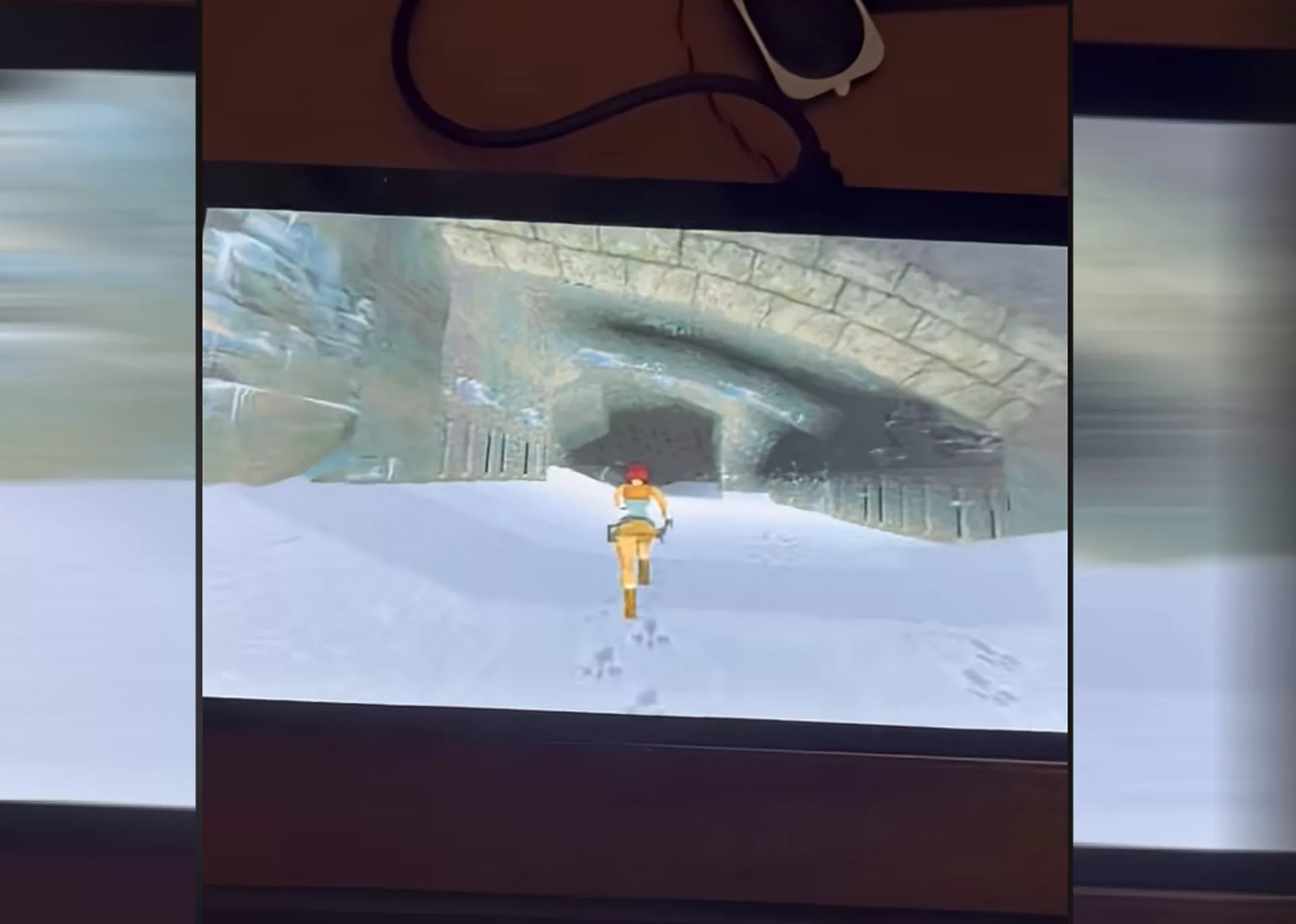
While modern gaming discussions often revolve around massive GPU power, there is a different kind of technical marvel: making a classic run on a chip that consumes a mere 1 watt. This is the reality of running Tomb Raider on the ESP32-P4 microcontroller.
The project leverages OpenLara, an open-source engine implementation designed for the classic Tomb Raider games. The technical achievement here lies in the scaling of resources. Utilizing the dual-core ESP32-P4 MCU running at 400 MHz, the implementation manages to scale the experience up to a resolution of 1024x600 pixels—a significant feat for hardware in this category.
From a hardware perspective, the setup is remarkably accessible, with the board costing approximately $25. The ESP32-P4 provides enough computational headroom to handle the logic and rendering required for these titles, effectively turning a low-power microcontroller into a functional retro gaming device.
This development highlights a growing trend in embedded systems: highly optimized software can extend the life and usability of classic gaming experiences on hardware that was previously considered insufficient. The combination of OpenLara and ESP32-P4 proves that high-quality gameplay doesn't always require high power consumption or expensive components.
Зануда
