

17 changes to know before playing The Legend of Zelda: Ocarina of Time on Switch 2
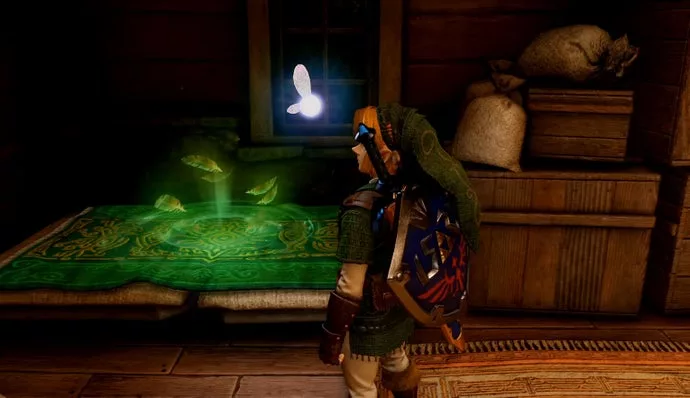
The Legend of Zelda: Ocarina of Time has received a significant overhaul in its Nintendo Switch 2 remake. While the core essence of Hyrule remains, players will encounter everything from reworked dungeons and new items to subtle environmental tweaks like the ducks on Lake Hylia. Whether you are a newcomer looking for a modern Zelda experience or a returning veteran curious about how this version differs from your memories, there are several key shifts in gameplay and presentation to keep in mind.
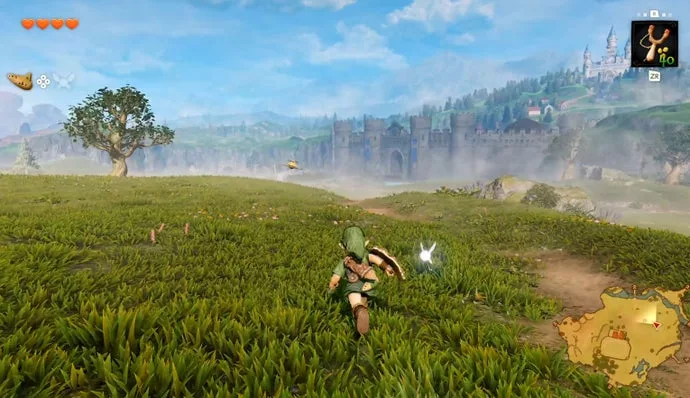
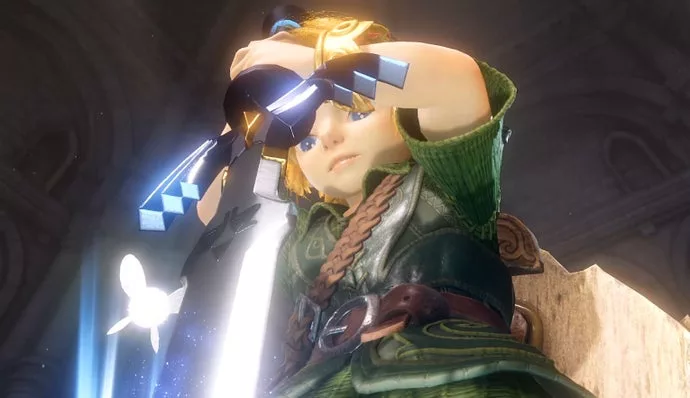
The visual reconstruction of Hyrule is perhaps the most striking change. From the cobblestone paths of Hyrule Castle Town to the vast expanses of Hyrule Field, the world has been rebuilt from the ground up. While character models have been updated, the environmental detail is significantly enhanced—notably with Goron-themed lanterns in Dodongo Cavern. The redesigns for characters like Sheik and the subtle details on Link's tunics, which now reflect the races that created them, offer a fresh aesthetic to the classic world.
Modernized Save Mechanics and Navigation
Returning fans should prepare for a shift in how progress is managed. The remake adopts the save mechanics seen in Breath of the Wild and Tears of the Kingdom, featuring autosaving and a single save file system. This means players must be cautious when selecting 'New Game' to avoid overwriting existing progress. Additionally, the game now supports seamless loading from your last save point, eliminating the need to run back to the Temple of Time or Link's House from the overworld.
Navi's role has also evolved. While she remains present to offer combat advice and participate in cutscenes, she no longer serves as a constant waypoint guide. Instead, players will utilize the 'Threads of Time'—a tapestry that tracks both the main adventure and most side quests, revealing new sections as achievements are unlocked.
Interaction with the world has become more immersive through several new features:
Dungeons and World Layout Changes
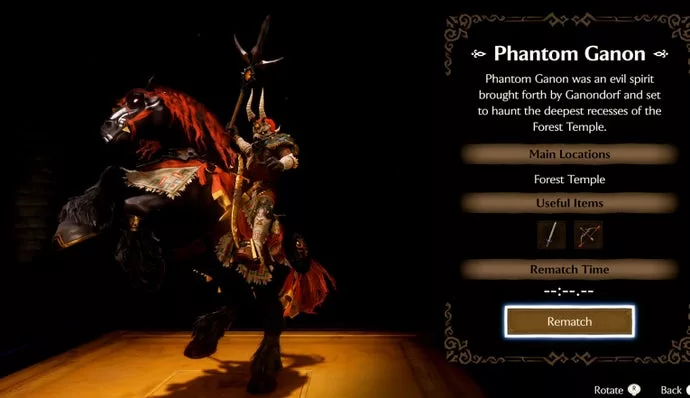
The dungeons have undergone significant structural changes. While some elements remain, players will find moved Gold Skulltulas, relocated chests, and removed puzzles—such as the torch puzzle in the Great Deku Tree's Compass room. Combat encounters have also been adjusted, with certain monsters appearing in new areas.
The Water Temple, historically known for its difficulty, has been redesigned to be a much more streamlined and accessible experience. Many rooms and puzzles have been removed, and Small Keys are easier to locate. This version also retains the button mapping for Iron Boots from the 3DS version of the game.
The landscape of Hyrule itself has been tweaked for better navigation and immersion. Kokiri Forest and Kakariko Village feature altered layouts, and some areas, such as the transition from Hyrule Field to Lon Lon Ranch, no longer require loading screens. Navigation is aided by musical notes in the Lost Woods and more visible entrances to secret grottos. Furthermore, the passage of time now has a more visible impact on the daily routines of Hyrule's citizens, and character behaviors may shift when transitioning between the Child and Adult timelines.
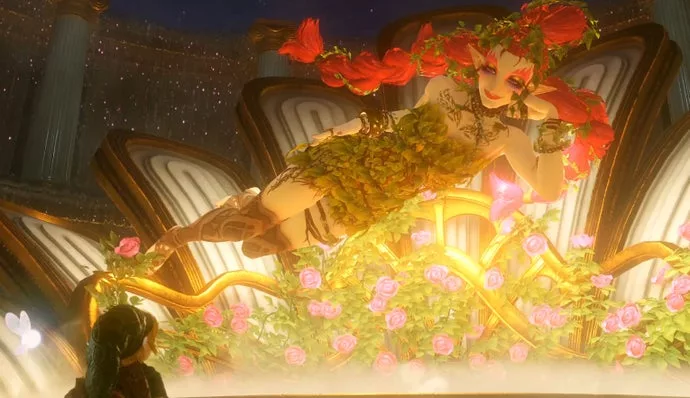
Finally, the game introduces full voice acting, with the ability to switch to Japanese or other supported languages. While the core dialogue is voiced, the game maintains its classic roots through its essential storytelling.
For returning fans, one of the most significant changes occurs in Zora's Domain. In the original, the area remains frozen in the Adult timeline; however, in the Switch 2 remake, Zora's Domain unfreezes after the Water Temple is completed. This allows Adult Link to return, chat with the recovering Zora citizens, and access the Zora Domain shop.
Expanded Story and Lore
The developers have used this remake to expand the narrative through longer cutscenes and additional dialogue. These additions provide more context to specific locations, such as the Forest Temple, and offer more depth to certain story events, including an extended sequence when Link first pulls the Master Sword.
New and Updated Items
Several new items have been introduced to the gameplay loop. The Business Scrub Seed allows players to summon a Business Scrub for shopping outside of dungeons (the seed is returned if the shop lacks the desired item). The Echo Gem assists in locating Gold Skulltulas. Additionally, players now start the game with the Kokiri Wallet, which has a capacity of 200 Rupees.
Mask mechanics have also been updated. While the mask trading sequence remains exclusive to the Child Link timeline, Adult Link can now wear masks. Specifically, the Mask of Truth can be used to read the thoughts of certain NPCs, which may vary depending on the era.
Following the design philosophy of Breath of the Wild and Tears of the Kingdom, this version includes a quick item select option for easier management during gameplay.
Collectibles: Heart Pieces and Gold Skulltulas
The core collection mechanics remain largely intact: players still need four Heart Pieces to earn a Heart Container, and all 100 Gold Skulltulas are present. However, some locations have been altered. Some Heart Pieces are in entirely new spots, and the method for finding the dog in Hyrule Castle Town has changed. Similarly, some Gold Skulltulas have been moved, including one that requires time travel to locate. The Echo Gem can be used to assist in finding them.
Minigame Alterations
Several minigames have received mechanical updates:
What has been removed?
Certain elements from the original have been omitted or replaced. Master Quest is not included in this version. Additionally, the secret Rupees previously found in Princess Zelda's garden and by climbing the Hyrule Castle Town drawbridge chain have been removed.
In Princess Zelda's garden, the cameos of Mario and friends have been replaced by physical locations representing the Threads of Time. Finally, the timer in the Death Mountain Crater has been replaced by a visual mechanic where Link slowly catches fire until he begins taking damage.
Флешка
