

The Blood of Dawnwalker Reviews: Strong Debut
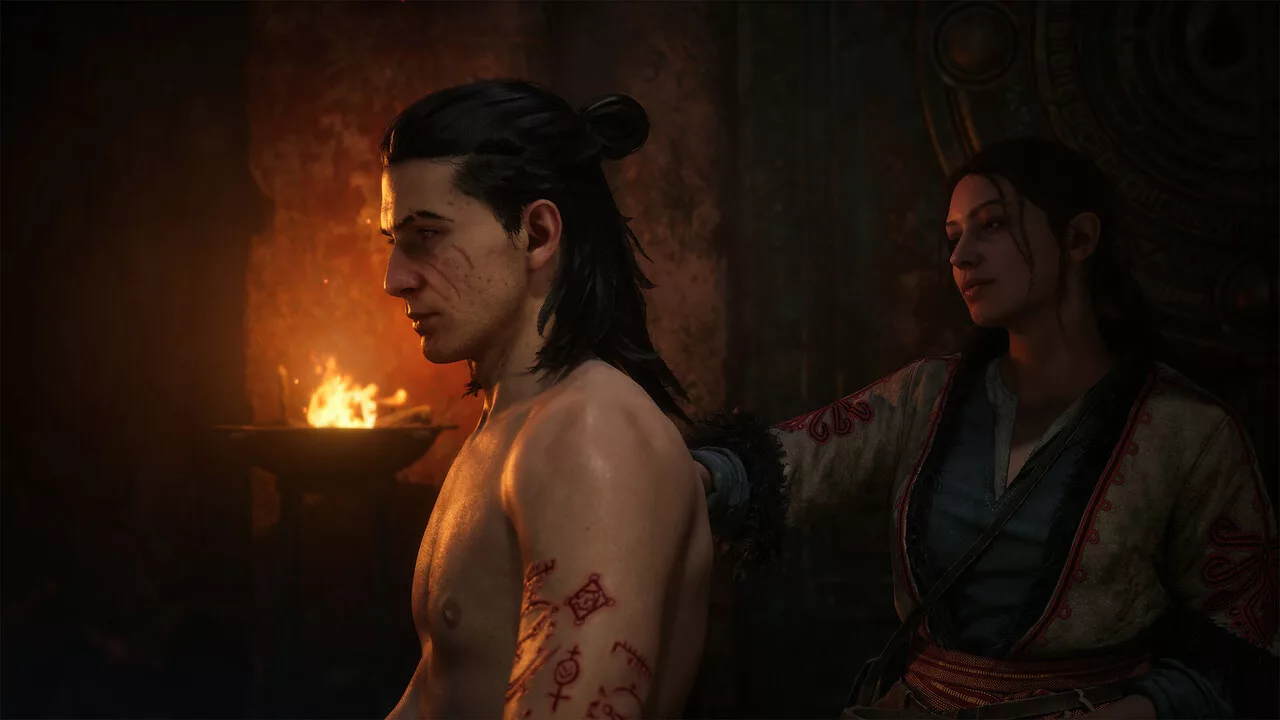
The Blood of Dawnwalker has emerged as a strong debut for Rebel Wolves, earning an average press score of 83/100 on Metacritic. While the game draws clear comparisons to The Witcher 3, reviewers highlight its distinct narrative approach and a time-based resource system that adds persistent pressure to decision-making. The consensus praises the world-building and story, though the combat system and technical optimization remain points of criticism.
The critical reception of The Blood of Dawnwalker is largely positive, with publications noting that the title fulfills much of the hype surrounding its development. The game is frequently described as a spiritual successor to The Witcher 3, a connection reinforced by the fact that some of the developers at Rebel Wolves previously worked at CD Projekt. However, reviewers emphasize that the studio did not simply replicate the formula of its predecessor. Instead, the team pushed the role-playing genre forward with new mechanics while retaining the strengths that made the original beloved, particularly the depth of the world and the quality of the writing.
A central pillar of the game’s acclaim is its narrative structure. Reviewers from Eurogamer and others praised the quest design as "excellent," noting that the story maintains a dark, hopeless tone where choices often feel like false starts. The world is described as reactive, responding meaningfully to the player’s actions. This narrative weight is amplified by the game’s unique time management system. As highlighted by Destructoid, players are given only 30 days, each divided into 16 time blocks, to save the protagonist’s family. Every quest consumes time, creating a constant tension between helping others, investigating leads, or focusing on the main objective. This mechanic forces players to weigh the cost of every action, adding a layer of strategic depth to the role-playing experience.
Despite the praise for the narrative and world, the combat system received mixed reviews. Critics noted that while the concept of attacking from different angles is sound, the high health pools of enemies often lead to repetitive encounters. 4Players specifically pointed out that the combat can feel monotonous, recommending that players increase the difficulty to make encounters more dynamic. GameSpot added that character skills have limited impact on the flow of battle, contributing to a sense of stagnation in some fights. However, the distinction between day and night cycles offers a significant shift in gameplay, as the protagonist’s transformation into a vampire form alters the mechanics and provides a necessary change of pace.
Technical performance is another area where the game faces scrutiny. Several reports indicate that The Blood of Dawnwalker has high hardware requirements that do not always align with its graphical fidelity. Optimization issues were noted, suggesting that the title may struggle on mid-range systems despite its ambitious visual design. This technical friction contrasts with the strong narrative and design elements, creating a mixed impression for players seeking a seamless experience.
Critical Consensus and Scores
The aggregate scores reflect a game that is highly regarded but not without flaws. Destructoid awarded the game 9.5/10, calling it a potential Game of the Year candidate, while Eurogamer gave it 4/5, describing it as a "great debut." Game Informer was more critical, scoring it 7/10 and noting that the real-world impact of the time system could be more substantial. PC Gamer and GameStar both placed the game in the high 80s, acknowledging its strengths in story and world-building. The overall Metacritic score of 83/100 from press reviewers underscores a general consensus that The Blood of Dawnwalker is a compelling entry in the RPG genre, offering a fresh take on familiar tropes.
For fans of narrative-driven role-playing games, The Blood of Dawnwalker appears to be a strong contender. Its ability to blend a dark, reactive world with a high-stakes time management system sets it apart from other titles in the genre. While the combat and technical performance may require some patience or tweaking, the core experience is widely praised for its depth and ambition. As Rebel Wolves’ first major release, the game has established a solid foundation, suggesting that the studio has the potential to make a significant impact on the future of the RPG genre.
Зануда
