

Team Group CEO warns of severe memory crisis: 'Even money can't buy goods'
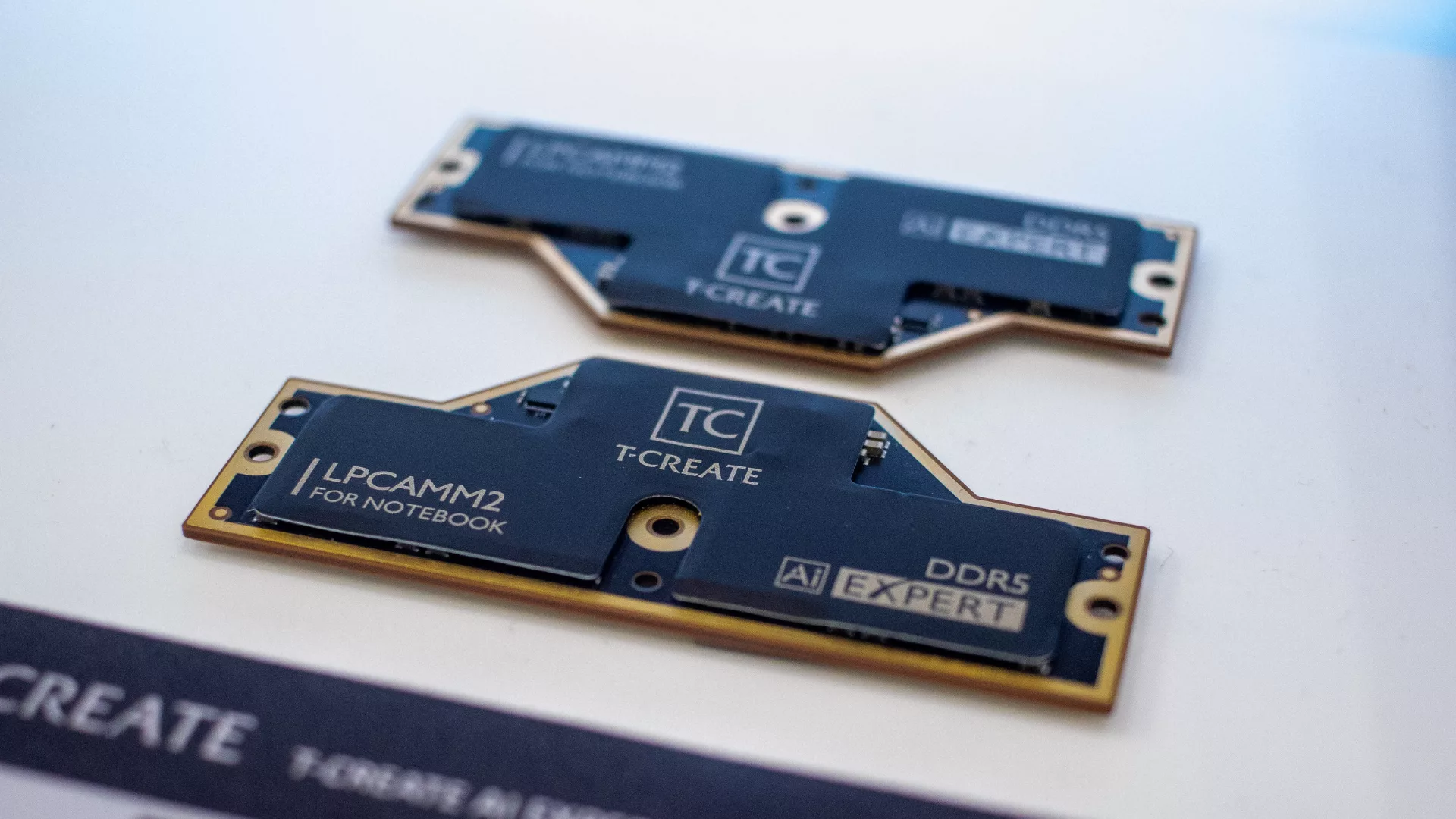
The semiconductor market is facing a potentially unprecedented supply crunch. During a recent earnings call, Team Group CEO Chen Ching-wen issued a stark warning regarding the memory market, suggesting that the current shortage could escalate to a point where high demand makes goods unavailable regardless of a buyer's ability to pay. With AI data center expansion continuing to consume global supply, the outlook for DRAM and NAND flash prices remains grim for the foreseeable future.
Speaking during the company’s November 2 earnings call, Chen Ching-wen indicated that the memory chip shortage is expected to intensify from the end of 2026 through the end of 2027. According to reports from _BigGo Finance_, Chen emphasized that there is currently "no downward price trend whatsoever" and warned that some purchasers might face a scenario where "even money can't buy goods" due to extreme scarcity. This situation is exacerbated by a significant gap between spot and contract prices, which currently ranges from 30% to 50%, forcing manufacturers to pay heavy premiums on the spot market to secure necessary supply.
Skyrocketing costs and supply-demand imbalance
The financial impact of this imbalance is already visible in component pricing. For instance, contract prices for 16GB DDR5 chips reportedly climbed from $8.70 in October 2025 to $48 by September 2026—a staggering increase of over 550% in just 12 months. Chen expressed skepticism regarding a market correction, questioning how prices could fall when there is effectively nothing left to sell. He estimated that the market might not reach a balance between supply and demand until the second half of 2028 or potentially even later.
While Chinese manufacturers like CXMT and YMTC have successfully increased their market share to nearly 10%, the high-end DRAM and NAND flash markets remain dominated by Kioxia, Micron, Samsung, and SK hynix. Because the pricing for chips produced by the Chinese firms closely tracks the broader market, they are not expected to act as a budget-friendly alternative to alleviate consumer pressure. Consequently, Chen anticipates that pricing for budget components may not ease until 2029, while high-end chips will continue to face persistent shortages.
Conflicting industry outlooks
Not all industry leaders agree on the timeline for relief. Acer CEO Jason Chen offers a more optimistic view, predicting that component pricing might reverse in the latter half of 2027. According to Acer's leadership, while high-end components like LPDDR5X-9600 and Nvidia N1-series SoCs may remain in short supply, mainstream parts should eventually see price decreases. Acer's CEO also suggested that some major suppliers might be exaggerating shortage fears to protect their profit margins. However, with the massive, ongoing build-out of AI data centers, the actual trajectory of the market remains highly uncertain.
Гика
