
Sword Sage: Awakening: A breezier take on the Soulslike genre

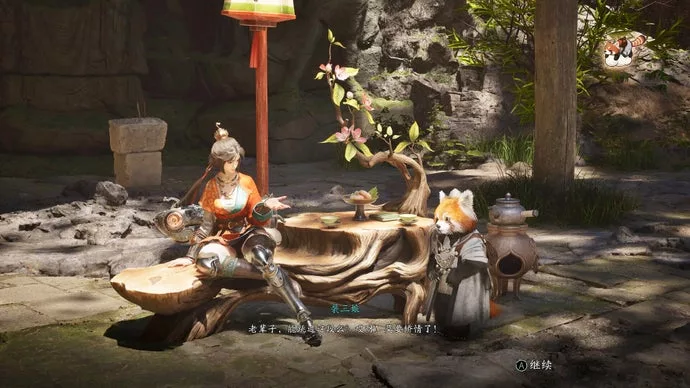
At Gamescom, Sword Sage: Awakening from Sword Panda Games stood out as a refreshing departure from the standard Soulslike formula. Rather than leaning into perpetual gloom, the game embraces a vibrant atmosphere inspired by Chinese folklore, complete with a charming red panda deity that serves restorative tea during rests.
The most striking difference is the game's buoyant tone. Instead of somber environments, players explore the lush, verdant landscapes of the Cypress Path, where birdsong accompanies the clashing of blades. The protagonist, Pei Sanniang, brings an energetic presence to the screen, moving with an elegance that feels more like a dance than a desperate struggle for survival.
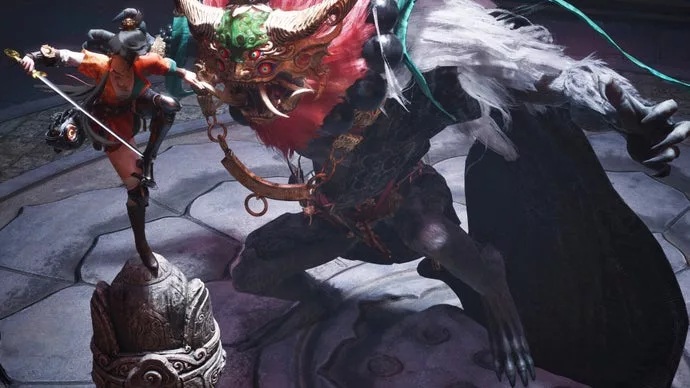
Combat in Sword Sage: Awakening is designed around flow and rhythm. The traditional dodge roll is replaced by a more proactive system: Evade Cyan for dodging and Strike Red for counterattacks. By timing dodges in the direction of an enemy's strike, players can transition seamlessly into powerful follow-up attacks. Weapon durability is also a factor, as weapons break relatively quickly, but a quick reforge mechanic ensures that combat maintains its high-speed momentum without constant interruptions.
The developers have indicated that the game is not designed for relentless punishment. Various reprieves are available for players struggling with the combat rhythms or stuck at boss encounters. Progression is tied to completing quests and defeating yaoguai, earning merits to spend on an expansive skill tree.
The experience is expected to last between 12 and 18 hours across three chapters. While the first two chapters follow a more structured path, the third chapter is intended to shift into a more open, sandbox-style exploration. Sword Sage: Awakening is confirmed for PC (via Steam) and PS5, with the developers expressing interest in bringing the title to Xbox and Switch 2 in the future.
Флешка
