
Switch 2 Lite May Tap Samsung's 8LPU+ Process For Better Battery Life
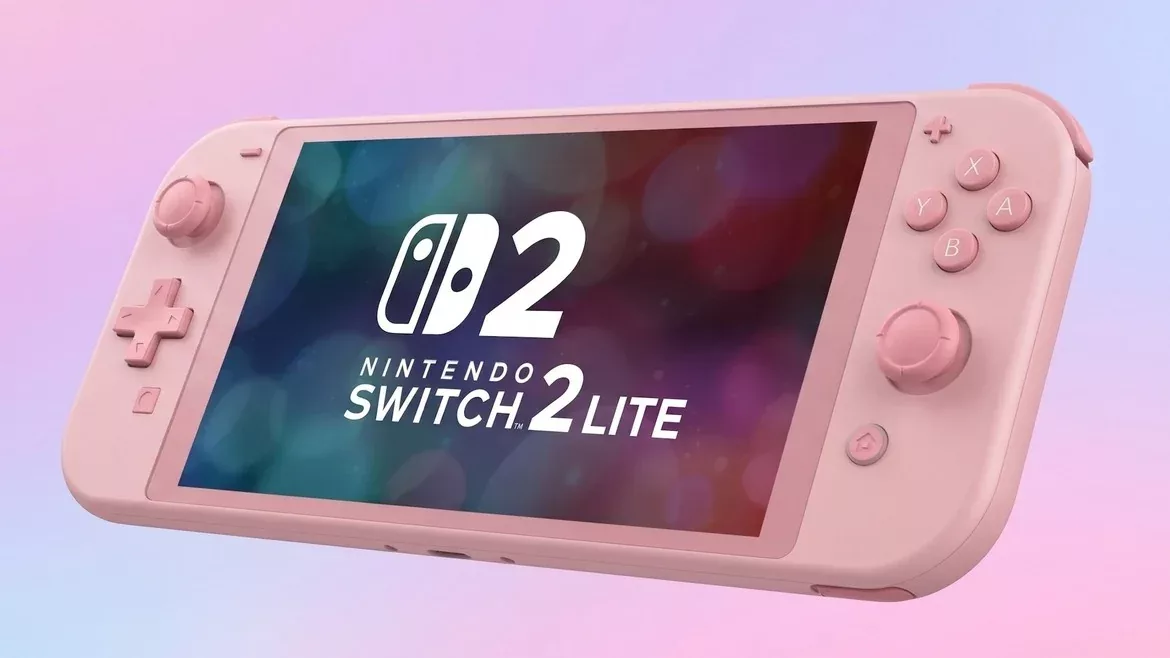
Speculation regarding a potential budget version of the Nintendo Switch 2 may be linked to upcoming semiconductor advancements from Samsung. Nintendo Patents Watch identified a session at IEDM 2026 where Samsung introduced its second-generation 8nm 8LPU+ process. Experts suggest this updated fabrication could underpin a more efficient, smaller version of the existing NVIDIA SoC, potentially powering a hypothetical Switch 2 Lite.
The Advantages of 8LPU+
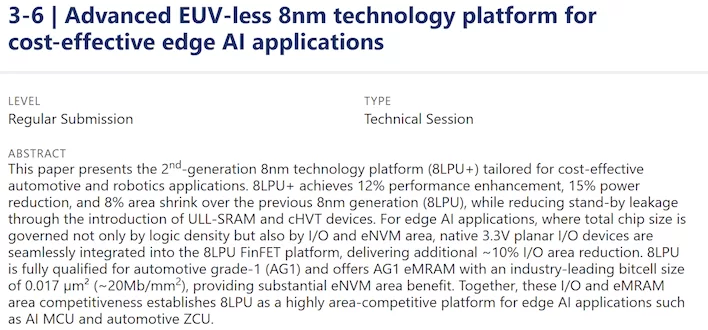
According to Samsung's official session abstract, the 8LPU+ process offers significant improvements over the previous-gen 8LPU:
- 12% performance boost;
- 15% reduction in power consumption;
- 8% decrease in logic area;
While 8nm technology is no longer the cutting edge of the industry, it remains highly effective for chips where production costs and power efficiency are prioritized over peak performance. This makes the technology a strong candidate for robotics, automotive electronics, and edge AI applications.
NVIDIA and the SoC Connection
The current Switch 2 utilizes the NVIDIA T239 processor, which, according to Geekerwan, is manufactured using a variant of Samsung's 8nm-class technology. A transition to the more efficient 8LPU+ process could theoretically enhance the device's efficiency without requiring a massive architectural redesign from Nintendo and NVIDIA.
If a Switch 2 Lite follows the blueprint of the original Switch Lite—featuring a smaller enclosure, integrated controls, and a lower price point in exchange for losing the hybrid functionality—it would benefit greatly from a more efficient SoC. However, the current market volatility regarding memory costs (the so-called "RAMpocalypse") poses a challenge; with RAM costs potentially accounting for a massive portion of the total BOM, launching a significantly cheaper device remains a difficult proposition.
The Display Bottleneck
Even with a more efficient chipset, the primary weakness of the current Switch 2 remains its display. The console features a 7.9-inch IPS LCD with 1080p resolution and a 120Hz refresh rate, but its response times are reportedly poor. Lacking LCD overdrive, gray-to-gray response times can exceed 40ms, causing noticeable ghosting during movement. This is notably slower than the original Switch, which sat at approximately 20ms.
A move toward OLED technology—similar to the Steam Deck OLED or Switch OLED—would be the most effective way to address these motion clarity issues. For now, however, there is no confirmation that Nintendo or NVIDIA intends to utilize the 8LPU+ process for any upcoming hardware revisions.
Гика
