
Surviving RF Online Next without spending: my F2P experience. Part 2
Part 2 of the F2P guide focuses on the systems that start to matter after the opening days: how not to waste blue cubes, why Accuracy can matter more than raw damage, and where your first diamonds should really go.
An F2P player cannot treat RF Online Next like a whale does; the whole path is about getting maximum value from affordable systems.
Here is the long-awaited continuation of my survival guide for RF Online Next players who want to stay fully F2P. In Part 1, I covered the start: VPN issues, queues, bots, why ranged classes are easier at launch, Bio Suits, offline progression and basic farming. Now it is time for the systems that start to matter after the first few days: gear, Prime upgrades, Accuracy, combat modules, mechs, the auction house, guilds and a few unpleasant but useful late-story details.
One important note before we begin: this is personal F2P experience, not a universal spreadsheet for every server and every patch. Costs, balance and boss behavior can change, so I am describing what I personally ran into and what helped me keep progressing without spending real money.
The main idea of Part 2 is simple: an F2P player cannot treat RF Online Next like a whale does. You need to squeeze value from affordable systems instead of chasing the highest item tier too early.

Part 2 is about avoiding the first real progression wall after the opening chapters.
Chapter 4. Gear and the Prime mechanic
The biggest mistake a new player can make is rushing toward high-rank gear such as T2, T3 or T4. On paper it sounds right: higher tier means stronger equipment. In practice, for an F2P player it often becomes a trap. You start spending rare materials on items you cannot enhance properly, cannot upgrade consistently and cannot bring to the point where they actually outperform a cheaper, well-built setup.
My main advice is to build a T1 gear set, enhance it to +8 at minimum, ideally to +10, and only then push it into Prime status. This path gives the best balance between cost, success chance and actual power gain. It is not flashy, but it works. A properly enhanced T1 Prime setup can carry you through a large share of the game without making every upgrade attempt feel like a week of progress just vanished.
Why T1? Because everything comes down to blue cubes. They are one of the most valuable and limited modification resources. Turning a T1 item into Prime costs 75 blue cubes per attempt, with a 20% success chance. That already hurts, but it is at least realistic. Trying the same idea with T2 or T3 gear can push the price into hundreds of cubes per click. For a spender, that is annoying. For F2P, it can stop your progress cold.
My blue cube rule
My rule is strict: never spend blue cubes on anything except Prime gear upgrades. The game will constantly tempt you with other uses. You may want to speed up a robot upgrade, or convince yourself that one or two clicks do not matter. They do. A few days later, those exact cubes may be the only thing missing from your next key upgrade.
T1 gear also works as an economy tool. Some pieces can be enhanced to +7 or +9 and sold on the auction house to players who want to try their own Prime conversion. That means a T1 setup helps in two ways: it strengthens your character and gives you something other players actually want to buy.
Do not ignore skills either. At levels 4, 8 and 12, upgraded skills gain additional effects. At some point those extra effects can feel more important than another raw attack increase. Do not stare only at combat power: a properly upgraded skill can make progression much more stable.
Chapter 5. Accuracy and combat modules
If I had to name one stat that new players underestimate, it would be Accuracy. Early on, damage feels like everything. More attack, more crits, faster kills. Then you reach story chapters where your attacks start missing, and the whole theory collapses.
For me this became obvious around Chapter 6. My character did not look weak, the gear was in place, and normal mobs were dying fine, but key targets suddenly started causing miss after miss. It turned out that around 415 total Accuracy was needed for comfortable progression at that point. If you are below the threshold, the fight stops being about your build and becomes a coin toss.
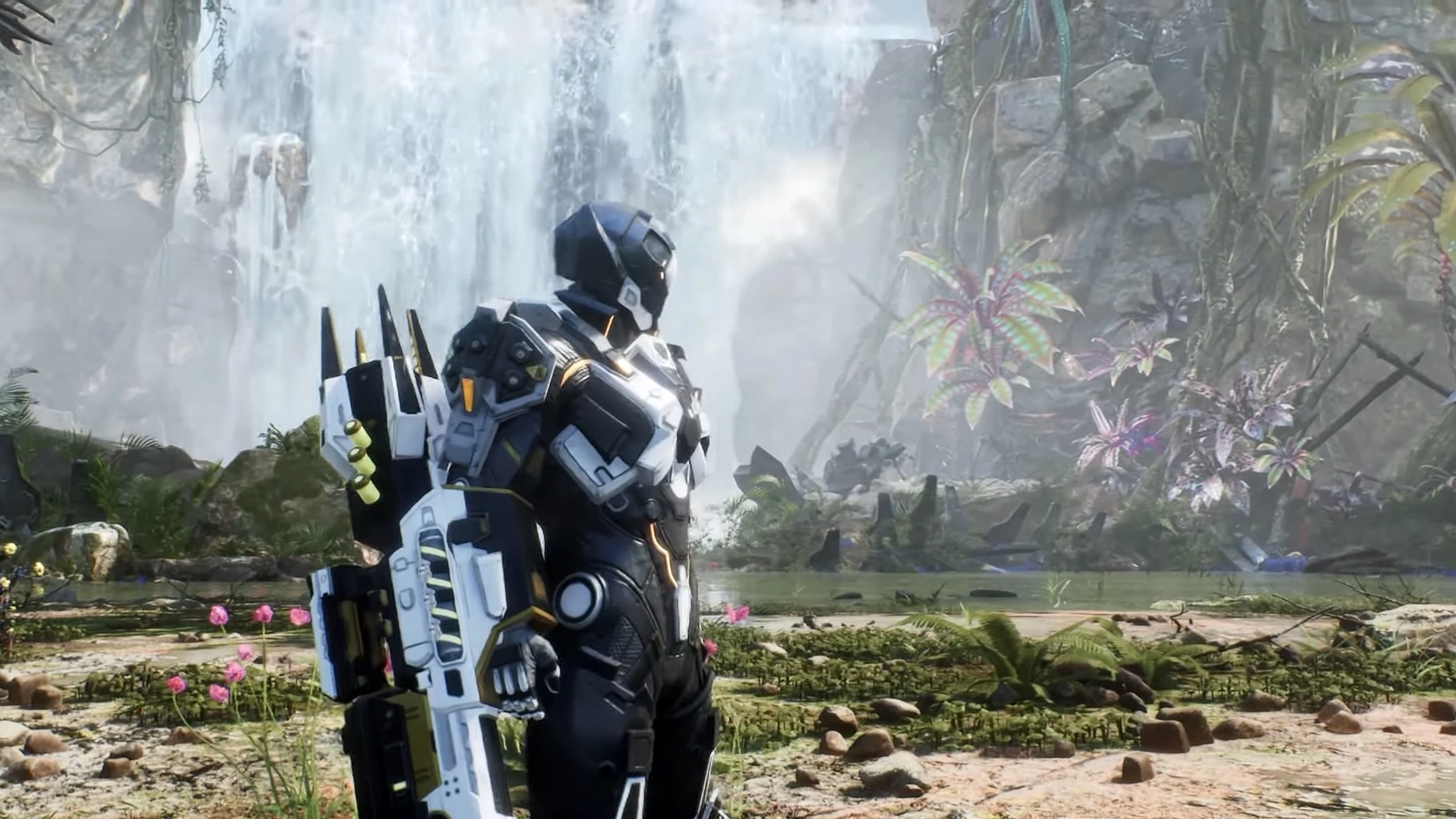
Accuracy starts to matter when the game stops forgiving misses against story targets and dense PvE zones.
You can stack Accuracy through gear, collections, costumes, passive skills and combat modules. The big mistake is remembering it too late. It is better to raise it gradually than to panic-rebuild your entire setup for a single boss or story chapter.
Combat modules and tactical nodes
At level 50, the combat module system opens. It uses tactical nodes as a special currency, allowing you to reroll module stats. A single attempt can cost around 12,000-15,000 nodes, so careless rerolling is not an option.
I recommend dropping weak stats and chasing bonuses that genuinely help an F2P character: PvE damage, fixed damage and Accuracy. PvE damage speeds up farming, fixed damage makes your output more consistent, and Accuracy solves the miss problem. Together, these stats feel meaningful in actual gameplay, not just on the stat screen.
Where do you get tactical nodes? The main free sources are weekly tasks, commissions and some faction contracts. Paid packs exist, but if we are talking about the F2P route, you need to stockpile nodes in advance. New module slots open gradually at levels 50, 51, 52, 53 and 55. By then, it is better to have a reserve ready.
Chapter 6. Mechs, robots and installations
Mechs in RF Online Next are not just sci-fi decoration. For an F2P player, they are a real lifeline, especially during difficult story bosses, hourly dungeons and encounters where several targets pressure you at once.
Blue combat robots and installations help in several ways. They deal AoE damage, they can hit multiple targets, they draw pressure away from you, and they give ranged players time to keep distance. In RF Online Next, survival often matters more than looking brave in the middle of the arena.
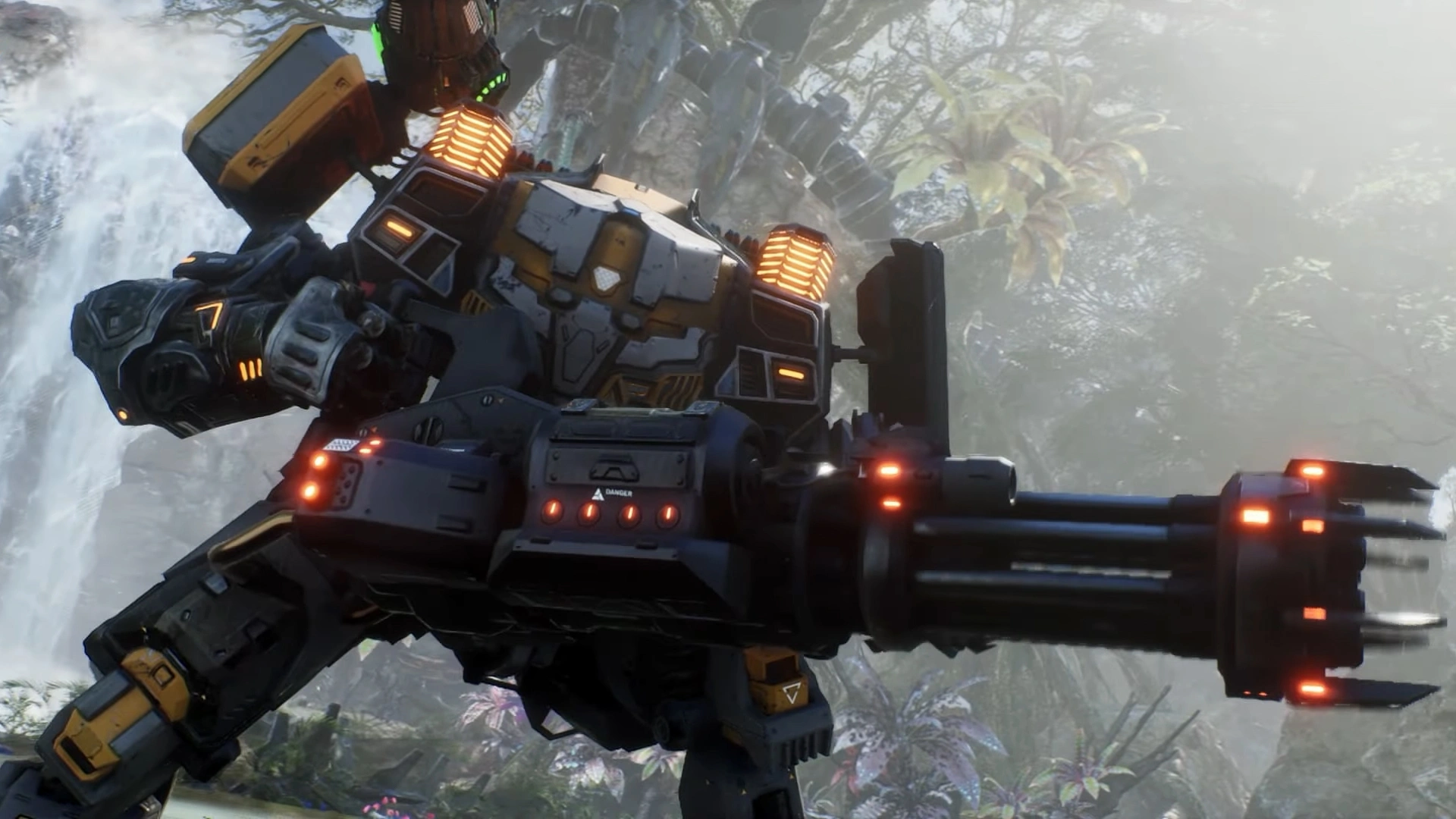
Mechs are especially valuable when an F2P character lacks durability or area damage.
But the Prime rule still applies: do not spend blue cubes on robot upgrades. The game may offer that option, but it is a bad exchange for a free player. Use yellow resources for mechs and keep blue cubes for gear. A stronger robot feels nice now, but a Prime gear piece is usually more important long-term.
Also watch your fuel. Regular robot and installation summons are useful not only in combat, but also for monthly tasks. Ignoring this system means giving up rewards that could otherwise support your progression.
Chapter 7. Economy, auction house and diamonds
The most common F2P question is simple: how do you earn diamonds or crystals without spending? My answer is the auction house. The market lets a free player turn time, luck and knowledge of demand into actual progression currency.
The first method is selling prepared items. T1 gear enhanced to +7 or +9 is useful because other players buy it for Prime attempts. Some deals can bring in thousands of diamonds, but this should not be treated as guaranteed income. Prices shift, demand changes and every server has its own economy.
The second method is skill books and passive skills. This can be the jackpot. A blue passive can sell for a strong amount, and rare pieces can go for much more. Do not rush the listing: check current auction prices first, because the difference between selling fast and selling well can be huge.

F2P economy is not built on one lucky drop; it is built on knowing what other players need.
Where to spend your first diamonds
The worst habit is spending your first earned crystals on random pulls. The temptation is real, but for an F2P player the better first step is much less glamorous: buy the basic costumes in the in-game shop, the ones that cost around 100 diamonds.
The important part is that you do not need to wear them. Once purchased, they add stats to your collection, and those bonuses stay with your character. Based on player observations, these budget costumes can give Accuracy, fixed damage, defense and critical chance. Accuracy is especially valuable because it directly affects high-level PvE progression.
If the shop offers three or four of these cheap costumes, I would grab them early. They do not look as exciting as a big purchase, but they provide permanent stats that work every day.
Chapter 8. Guilds and social play
Do not play RF Online Next completely solo. At first it may feel like you can just follow quests, farm and ignore everyone, but the game gradually pushes you toward guild content. An active guild means daily donations, expeditions, mines, guild bosses and access to an internal economy.
The most interesting part is guild boss loot. Valuable items do not always simply drop to one lucky player. They can be placed on the guild's internal auction, where raid participants bid on the pieces they need. For F2P players, that can be a major path toward items that would otherwise take too long to farm or buy.
A guild also gives context and protection in PvP. The game allows guild wars, and conflicts happen often. If another player kills you, their name can appear in your revenge list. For crystals, you can use a radar to locate them on the map. Alone, that is just an expensive toy. In a guild, it can become a tool for a coordinated response.
My advice: choose an active and organized guild, not just the loudest one. For F2P, consistent activities, a living chat and regular raids matter more than a flashy name.
Chapter 9. NPCs, secrets and the 580 boss bug
Now for a few practical things that can save a lot of nerves. The most controversial one is the story boss around 580 power. It is one of those moments where the game tests not only your character strength, but your patience. The boss is already unpleasant, and several smaller NPCs can spawn with it, dealing heavy damage.
If you play a ranged class, there is a way to beat this fight through level geometry. The idea is to position yourself in a doorway or pull the boss into a spot where its pathfinding breaks. In that position, the boss can fail to reach you, stand still, and let you shoot from range. Even if your ranged suit is not your main setup and deals low damage, patience can finish the fight.
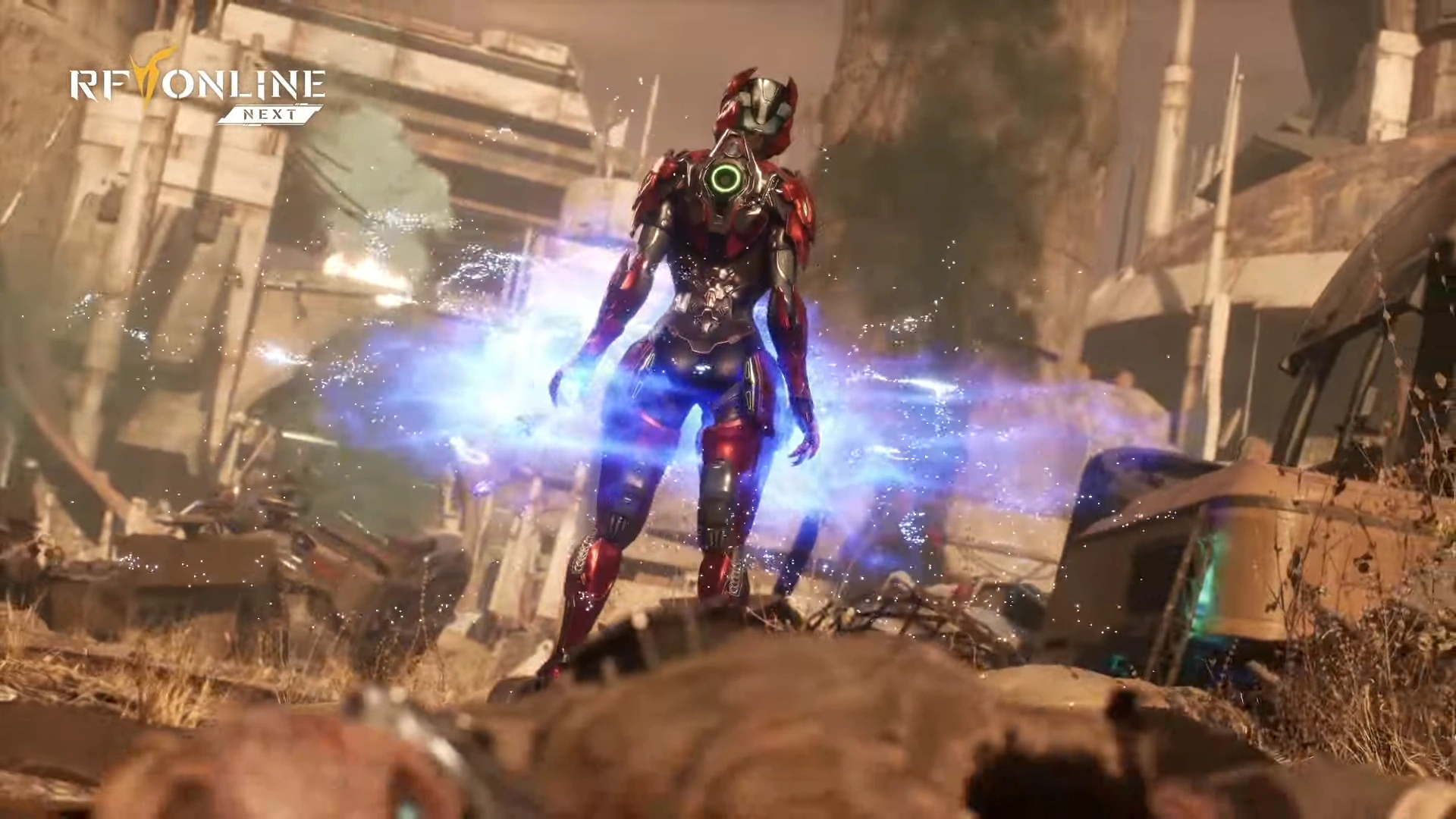
In difficult story fights, positioning can matter more than raw combat power.
This can be patched, and the exact spot may vary depending on the location and boss behavior. I do not treat it as a proper mechanic, more like a temporary workaround for a progression wall. If it does not work, go back to the fundamentals: add Accuracy, strengthen T1 Prime gear, upgrade skills and use mechs.
Adventure Merchant
Make sure you find the Adventure Merchant in town. With adventure coins, you can buy Accuracy points and blue passive skills. Based on my notes, the weekly limit for blue passives is 30. For F2P, this is a key shop because it gives direct power, not cosmetics.
Imperial Merchant and appearance changes
If you dislike your character's look, do not rush into making a new account. You can find the Imperial Merchant tied to appearance changes. Through that NPC, you can fully change your character's appearance and even their gender. It does not affect power, but in an MMO where you spend dozens of hours with one character, visual comfort matters too.

RF Online Next keeps hiding small systems that are easy to miss if you only follow the story marker.
My F2P checklist after the start
- Build T1 gear, enhance it to +8 or +10, then push it into Prime.
- Keep blue cubes only for Prime gear upgrades.
- Track Accuracy constantly, especially before story chapters with frequent misses.
- After level 50, save tactical nodes and chase PvE damage, fixed damage and Accuracy.
- Use mechs as support on bosses, in dungeons and for monthly tasks.
- Sell T1 prepared items, books and passives on the auction house, but check prices first.
- Spend early diamonds on cheap costumes for permanent collection bonuses.
- Join an active guild because guild bosses and internal auctions are too valuable to ignore.
- Do not forget the Adventure Merchant and the weekly blue passive skill limit.
My conclusion is simple: RF Online Next can be played without spending, but only if you accept the limits of the F2P path. Do not copy the behavior of players who pay their way through every wall. Your route is discipline, smart priorities, resource saving and understanding which systems create long-term strength.
Source: the author's personal experience in the global version of RF Online Next, observations from the current game version and Netmarble's in-game systems.
Редакция MBG
