

The Magic of 'Game Feel': Star Wars: Galactic Racer Devs on the Burnout Legacy

The developers at Fuse Games have opened up about the development of Star Wars: Galactic Racer. The discussion centers on the concept of "game feel"—a core element that links their title to the legacy of the Burnout series, originally crafted by veterans from Criterion.
For many players, Star Wars: Galactic Racer feels like a homecoming to classic arcade racing. This sensation is intentional: Fuse Games is composed of many individuals who contributed to the DNA of Burnout. In an interview with Eurogamer, CEO Matt Webster, Creative Director Kieran Crimmins, and Lucasfilm Games Executive Producer Craig Derrick discussed how physics and emotion serve as the foundation of the gameplay experience.
Feel Over Mechanics
The concept of "game feel" is central to the team's philosophy. According to Matt Webster, it is not merely about the boost mechanic, but the entire sensory response to player input. If a player can suspend their disbelief at a primary sensory level, they become more deeply immersed in the world. In Star Wars: Galactic Racer, this is achieved through tactility—such as flicking levers or performing button combinations at the start to simulate the operation of machinery.
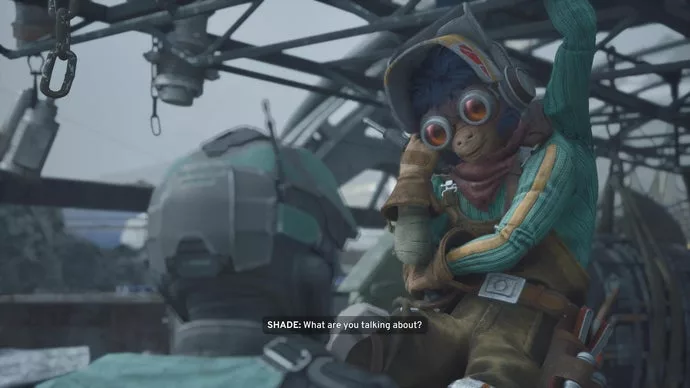
Even without wheels on tarmac, the developers relied on physical simulation to convey a sense of connection. By simulating how a levitating jet engine would behave, they aimed to replicate the weight and momentum seen in Star Wars vehicles, from podracers to land speeders.
Roguelite Features and the 'Player Story Generator'
The game incorporates roguelite elements, allowing players to build and upgrade their own vehicles. Kieran Crimmins describes this system as a "player story generator." Rather than following a strictly curated timeline, players are given a set of "physical toys" that can be stacked and combined in unexpected ways, creating unique, emergent gameplay moments that still feel physically grounded.

To refine these systems, the team utilized rapid prototyping through board games. Kieran Crimmins noted that using Post-its and dice allows the team to validate whether a mechanic evokes the intended emotion within a single day, long before committing to complex software implementation.
Emotions as the Ultimate Goal
The developers emphasize that game design is ultimately about creating emotional states. Craig Derrick suggests that "emotions are the new verbs" in modern design. The goal is to ensure that the player's agency translates into a meaningful emotional experience.
Matt Webster concluded by referencing Richard Donner's Superman and the concept of "verisimilitude" (the truth of the heart). He argued that if a player doesn't fundamentally believe in the core premise—such as the sensation of piloting a speeder at 600 km/h—then no amount of narrative or visual detail can save the experience.
Флешка
