SSD Prices Might Drop in 2027, but Micron Reports 75% of 2027 Supply is Already Sold Out
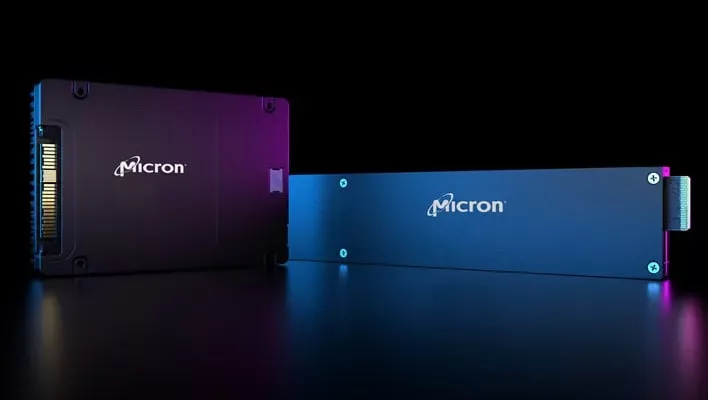
After a prolonged period of rising costs for memory and storage, consumers might finally see some relief in the SSD market. Recent market forecasts suggest that NAND flash prices could begin to decline in early 2027, potentially leading to cheaper storage options. However, the road to lower prices may be complicated by massive demand from the AI sector, with Micron reporting that a significant portion of its upcoming production is already spoken for.
According to a new forecast from TrendForce, the current trend of soaring NAND flash prices might finally hit a turning point. The firm predicts that contract prices for NAND flash could see a modest decline of up to 5% in the first quarter of 2027. While this initial drop might seem incremental, TrendForce anticipates a broader and more significant downturn across all NAND product categories starting in the second quarter of 2027.
Supply Dynamics and the AI Factor
The market landscape is being shaped by several conflicting forces. TrendForce notes that robust demand for high-performance storage in North America is driving manufacturers to expand capacity and upgrade to more advanced process technologies. Simultaneously, the increasing penetration of QLC (Quad-Level Cell) NAND and the industry-wide transition to higher-layer-count technologies are expected to boost overall bit output, which could eventually exert downward pressure on prices.
On the consumer side, manufacturers are facing a dilemma: rising component costs are pushing device prices higher, but to keep retail prices in check, many are opting to trim storage configurations in their products. If this trend continues, it could lead to a scenario where NAND suppliers find themselves with more capacity than consumer demand can absorb, potentially accelerating the price drop for standalone SSDs.
Micron's Outlook: A Tightening Market
Despite these optimistic price forecasts for 2027, Micron's leadership presents a much more constrained view of the memory landscape. Speaking at the TomorrowX Summit, Micron CEO Sanjay Mehrotra highlighted that demand remains exceptionally strong, fueled largely by the requirements of increasingly complex AI models, larger context windows, and the rise of agentic AI. These technologies are driving massive demand for both high-capacity memory and high-speed storage.
Mehrotra's comments suggest that the supply-demand imbalance might persist longer than some analysts expect. He stated that the years 2027 and 2028 are expected to be even tighter than 2026. In fact, Micron has already sold out 75% of its planned production for the 2027 calendar year, and the company is already in discussions with customers regarding supply for 2028.
While TrendForce and Micron's outlooks may seem to diverge, they are not necessarily contradictory. TrendForce is focusing on the broader industry-wide pricing trends for NAND flash, whereas Micron is addressing its specific supply commitments and business outlook, which includes the critical DRAM market as well.