

“Publishers are afraid of certain parts of the world”: Saber Interactive's message to North American studios

As layoffs continue to plague the gaming industry, Saber Interactive is advocating for a more sustainable business model. In an interview with Julian Benson, Chief Creative Officer Tim Willits suggested that many large North American developers are making a critical mistake by maintaining massive, expensive teams long before their projects are ready for full production.
The core issue, according to Willits, is the high cost of maintaining hundreds of employees in expensive locations like California, Texas, or New York. He noted that employing 200 people before a vertical slice is achieved is essentially "burning money." Instead, Saber Interactive utilizes a scalable approach, often starting projects with as few as five people and only expanding to a full production team once the core gameplay is proven.

Willits also addressed the importance of financial stability through diverse revenue streams. He argued that even successful AAA studios should not shy away from work-for-hire projects or remasters. These tasks, he claims, help "keep the lights on" while the studio develops its next major hit. He pointed to the early days of Saber Interactive, when the founders had to take any available work to survive. Today, the company balances major titles like Space Marine 2, Snowrunner, and Turok with profitable remastering work, such as their current project for the original Hitman.
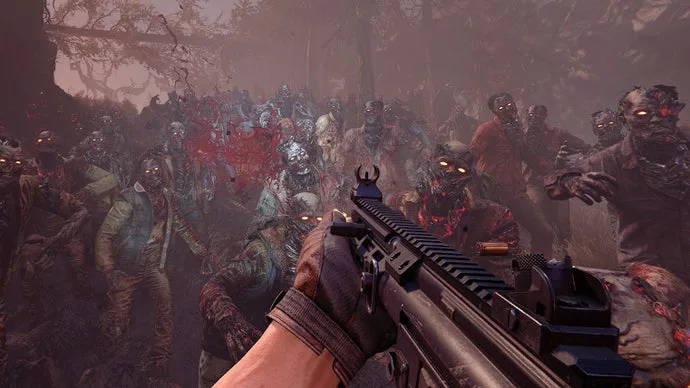
Geographic expansion was another key point in Willits' argument. He urged publishers to overcome their hesitation regarding developers in regions like South America. He noted that many Western companies miss out on talent due to language barriers or cultural fears, despite the advantages of working in similar time zones. Rather than simple outsourcing, Willits suggests that studios should look into acquiring or partnering with established development teams in these growing regions.

Finally, he encouraged large-scale studios to experiment with smaller, low-risk projects. Willits suggested that if a major studio like Santa Monica Studio produced several $5 games designed for quick three-month development cycles, at least one might become a hit. This strategy, he believes, would provide a much-needed safety net for studios facing the current economic volatility in the industry.
Флешка
