Rainbow Six Siege: Esports is the Backbone, but Supporting Newcomers is Key to the Next Decade
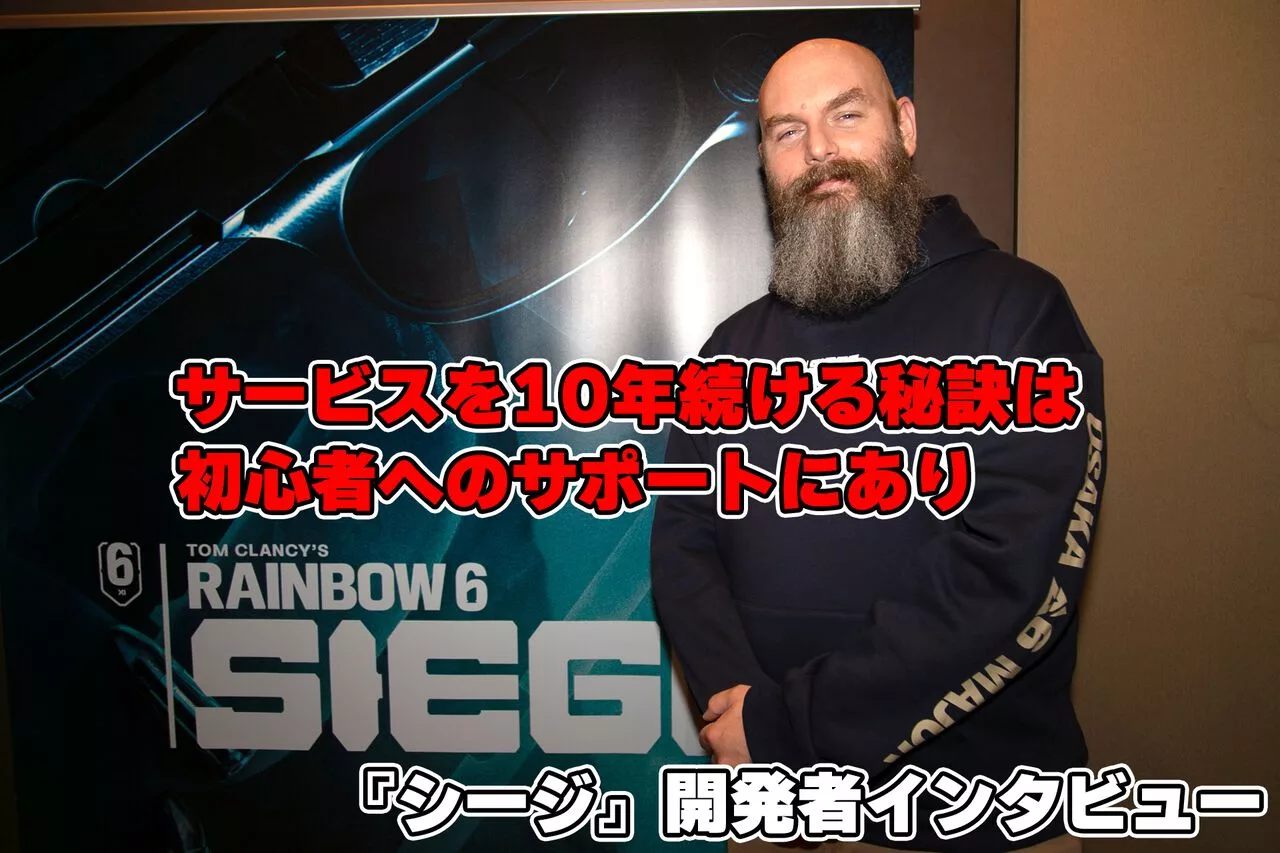
During a press event held in Osaka alongside the BLAST R6 OSAKA MAJOR, Ubisoft shared significant insights into the future of Rainbow Six Siege. Creative Director Joshua Mills sat down to discuss how the studio plans to navigate the next decade, balancing the high-level demands of the esports scene with the necessity of onboarding a new generation of players through improved accessibility and support.
As Rainbow Six Siege enters Year 11, the development team is focusing on a dual-track strategy: maintaining the tactical complexity that defines the franchise while lowering the barrier to entry for newcomers. Joshua Mills emphasized that while the game might not be a player's first FPS, the goal is for it to be their last. To achieve this, the team is working on systems that guide players through learning curves rather than overwhelming them with information all at once.
Balancing Veterans and Beginners
The challenge of catering to two vastly different player bases is a central theme in the studio's current development cycle. Mills noted that recent major updates, including the rework of the operator Doc, are often designed with veterans in mind to keep the gameplay experience fresh and competitive. Conversely, for those who struggle with pure gunplay, the team is looking for ways to allow players to contribute to their team through different tactical roles.
This philosophy extends to the game's modes and ecosystem. While the core 5v5 competitive structure remains non-negotiable and serves as the game's DNA, Ubisoft is looking to expand the 'periphery' with modes like 3v3 or Hostage to facilitate learning. The ultimate goal is to create a pipeline where players learn their skills in casual environments and eventually transition into the high-stakes competitive scene.
Addressing Player Demands: Solo/Duo Ranks and Map Modernization
One of the most significant recent additions is the implementation of Solo/Duo-only Ranked modes. Mills confirmed that this decision was driven by a combination of direct player feedback and internal data showing that a vast majority of the player base operates in solo or duo configurations. Recognizing that even highly skilled players face limitations when playing solo against full squads, the team decided to prioritize this mode ahead of the holiday season.
The studio is also continuing its long-term map modernization process, which began in Year 10. While these updates—improving lighting and textures—often start as adjustments for competitive integrity, they eventually trickle down to casual playlists. Mills clarified that the studio's policy is not to remove content, but to replace or update legacy maps to ensure they remain viable for modern playstyles.
The Role of Esports and Future Challenges
Regarding the relationship between major updates and the professional scene, Mills admitted that while the team previously avoided large updates during competitive seasons to prevent disruption, they have found that pros often welcome the change as it drives engagement. To mitigate negative impacts, the team has begun providing professional teams with early information so they can adapt their strategies accordingly.
Looking ahead, the studio acknowledges that they cannot satisfy everyone, noting that any significant change will inevitably result in both supporters and critics. However, as long as the core values of the game remain intact, the team is prepared to engage in these debates. They also acknowledged long-standing community requests, such as a 'preset loader' for settings—a feature highly requested by pro players—noting that while it is on their radar, other priorities currently take precedence.