

Phantom Blade Zero: Cinematic Brilliance Meets Narrative Vacuity
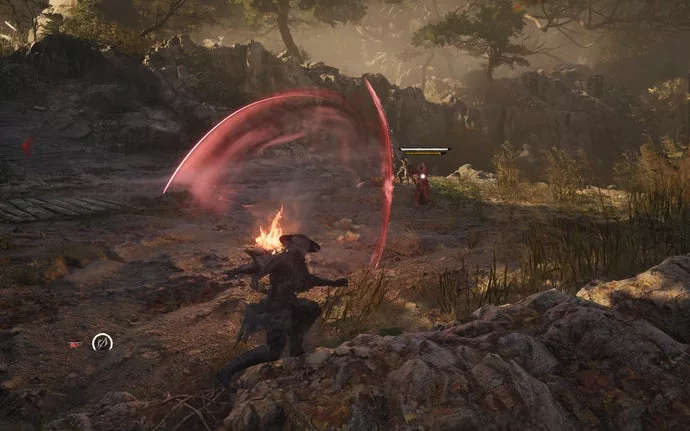
Phantom Blade Zero from S-Game is a title capable of inspiring awe with its visuals, yet it simultaneously frustrates with its technical and design shortcomings. It is an ambitious wuxia action epic where stunning choreography and cinematic flair often collide with uneven pacing and a muddled narrative.
The adventure unfolds in the fantastical world of Wulin, a martial underworld where lawlessness and cults make life a misery for the common folk. You step into the boots of Soul, a warrior and outcast from The Order. While the premise involves betrayal, revenge, and a ticking clock on the protagonist's life, the storytelling itself struggles to keep pace. The game tends to dump a dizzying array of names, bloodlines, and sects upon the player, often relying on reams of text in collectible scrolls that fail to create a cohesive emotional connection. While the visual storytelling—utilizing traditional Chinese art forms—is breathtaking, the actual narrative depth leaves much to be desired.
The true star of Phantom Blade Zero is its combat. It leans more towards 'soulslite' than a traditional soulslike, offering a much faster and more fluid experience. Instead of a standard stamina bar, the game utilizes sha-chi, a resource depleted by blocking, parrying, and heavy attacks. This system encourages a rhythmic, high-octane playstyle reminiscent of Sekiro, where mastering the dodge/parry mechanic against red and blue attacks is essential to breaking a boss's guard. The two-weapon system further enhances this flow, allowing players to swap between weapons to replenish their sha-chi, preventing the combat from ever feeling sluggish.
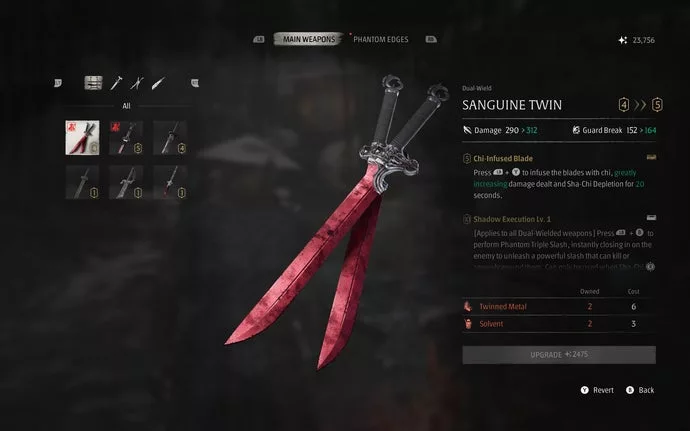
The arsenal is incredibly creative: from a sword that requires the player to consume booze to launch wild, long-range attacks, to pole-swords that charge through enemies and twin blades that orbit the user. The 'phantom edges' serve as tactical tools to deal with specific threats, such as high guards or unblockable attacks. However, this variety hits a wall when facing bosses. Many encounters feel 'spongy,' particularly in the early to mid-game, where even on the Wayfarer difficulty, bosses can feel unnaturally resilient, making combat feel repetitive rather than challenging.
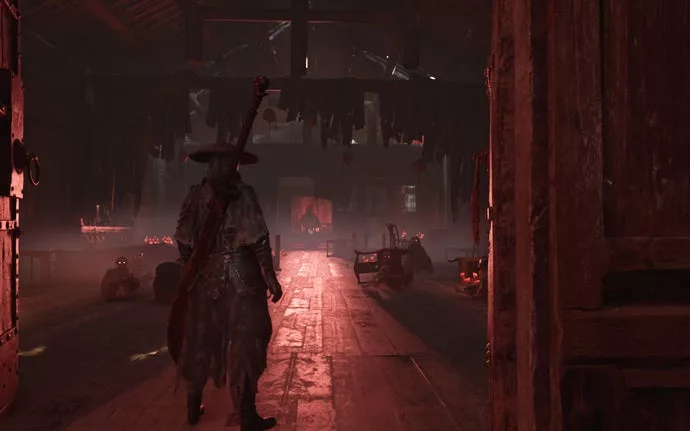
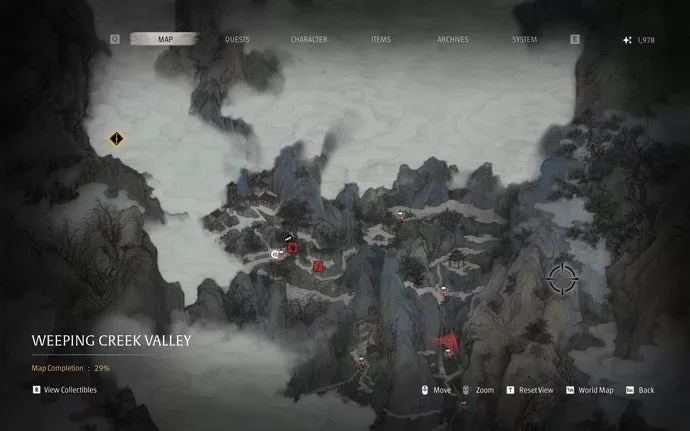
Exploration is another high point. The world map, rendered in beautiful traditional ink wash paintings, rewards players who observe the landscape to find hidden paths. The inclusion of Metroidvania elements—using new weapons to access previously locked areas—adds a sense of progression, though the game occasionally overdoes the placement of locked doors in early urban areas, which can feel restrictive.
Ultimately, the experience is marred by a 'death by a thousand cuts.' Technical issues like frame rate dips, collision problems with environmental geometry, and bosses occasionally clipping through invisible walls detract from the immersion. Even a massive 67GB update released just before the embargo aimed at smoothing the difficulty curve and fixing bugs could not entirely mask the issues with boss sponginess and quest guidance.
Phantom Blade Zero is a game of extraordinary highs and frustrating lows. When the combat flows, it is nothing short of spectacular, offering a cinematic kung-fu experience that is rare in the genre. However, until the developers can sharpen the game's balance and narrative focus, it remains a brilliant but slightly unpolished gem.
Флешка
