
Pascal Luban on Narrative Design Principles for Games
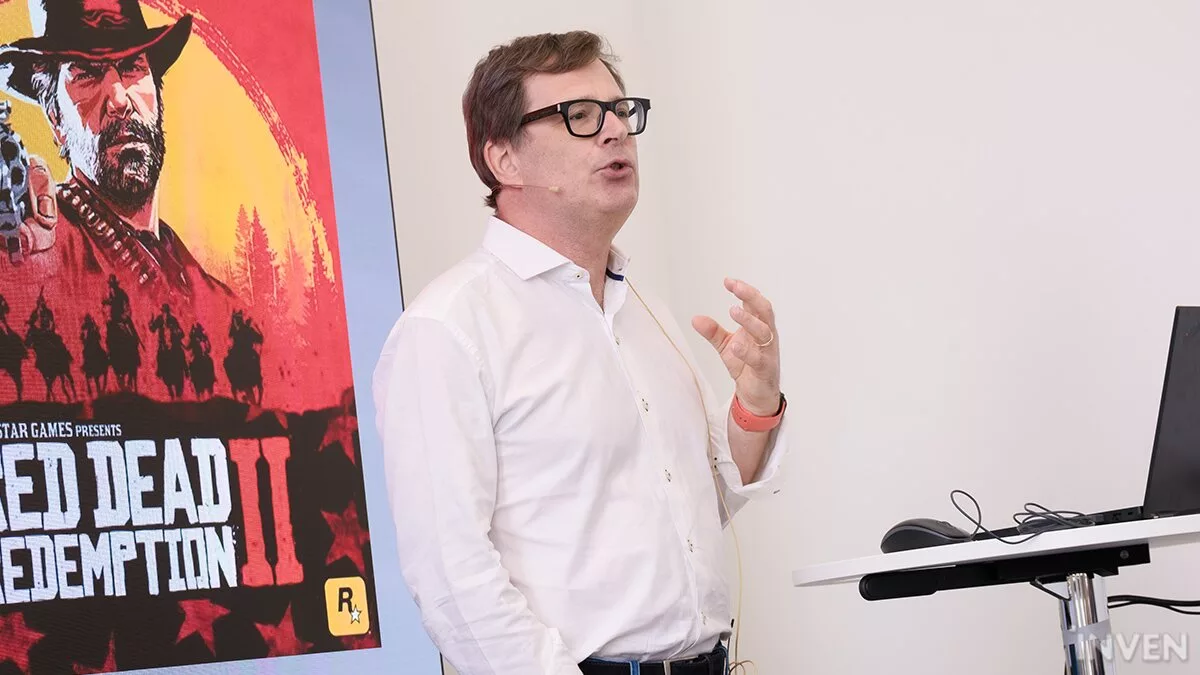
For over three decades, the video game industry has grappled with a persistent dichotomy: games that excel at gameplay often lack narrative depth, while those praised for their stories frequently suffer from clunky mechanics. At GameSciCom Dev, Pascal Luban, a Creative Director with more than 30 years of experience across AAA titles and indie projects on console, PC, and mobile platforms, challenged this notion. He argued that compelling storytelling and engaging gameplay are not mutually exclusive but can coexist if developers approach narrative design with specific structural principles and strategic compromises.
The Foundation: Theme, Character, and Setting
Luban posits that the first step in crafting a strong narrative is establishing a robust theme. A good theme must inherently contain elements of mystery and danger. He illustrates this by contrasting a mundane concept like "a high school student who is always late" with a transformed version: a student abandoned in an old building for extended periods. The setting of an abandoned location immediately introduces risk, while the duration of stay implies deep personal significance, instantly elevating a boring premise into an intriguing story.
Beyond mystery and danger, Luban emphasizes that a theme must offer novelty, capture audience interest, and most importantly, evoke strong emotion. He asserts that emotion is humanity's first language and the driving force behind human intent and motivation. If a creator cannot feel a strong emotional connection to their theme, the audience will not either. Conversely, when a creator is genuinely immersed in a subject, that authenticity translates directly to the player.
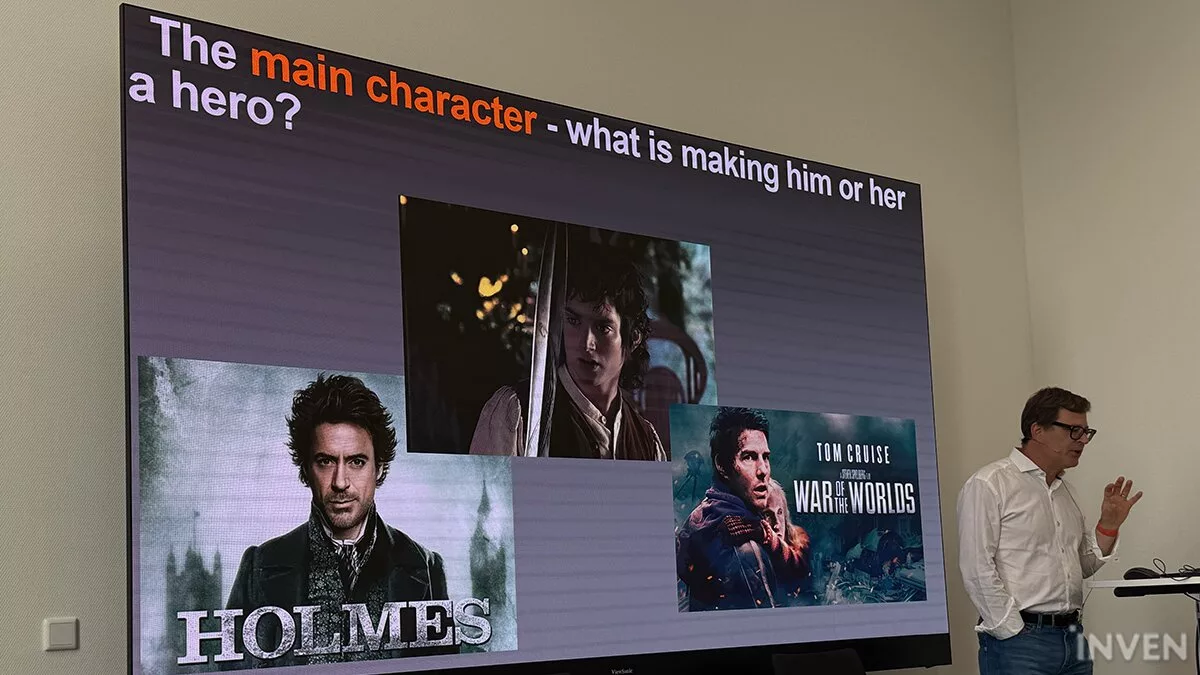
Once the theme is established, Luban identifies three essential pillars that support the narrative: Character, Plot, and Setting. Regarding character, he argues that protagonists do not need to be perfect; in fact, they should possess flaws. He cites examples such as Robert Downey Jr.'s Sherlock Holmes, who is a genius but socially inept, or Lara Croft from the 2012 reboot of Tom Raider, who suffers while being forced into hunting and slaughter. These characters resonate because they are flawed individuals facing personal dramas against which the audience can empathize.
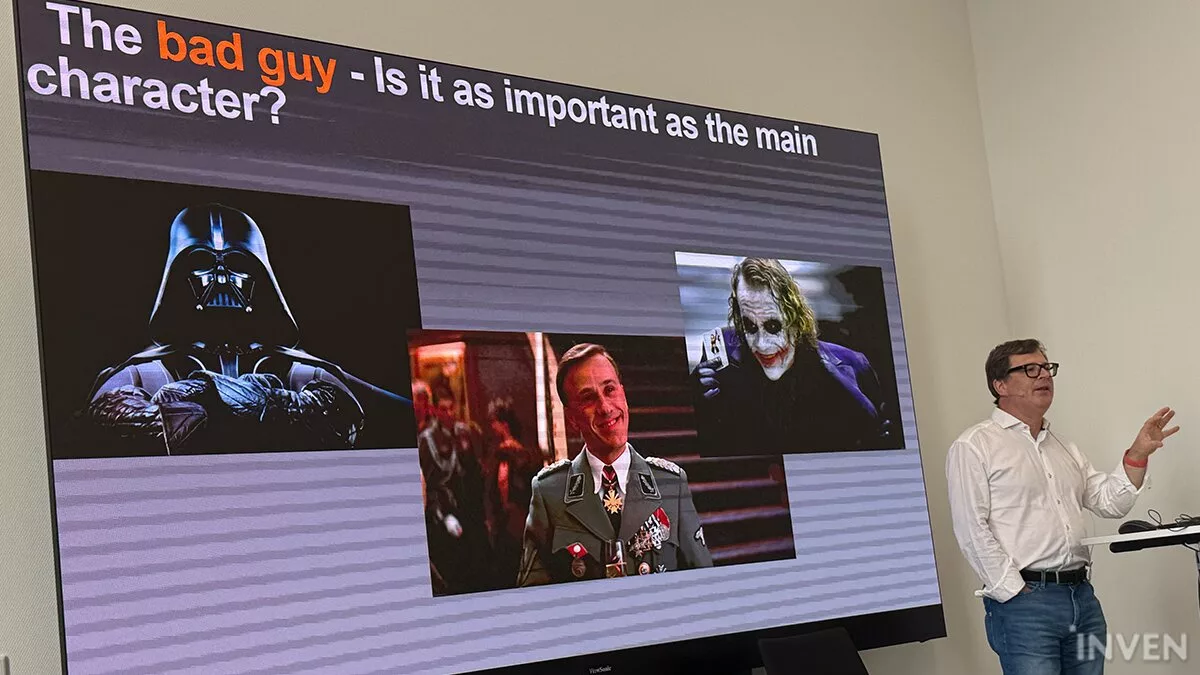
The antagonist also plays a crucial role. Luban references Alfred Hitchcock's principle that "the villain must succeed" for the film to be successful. A compelling villain should evoke both repulsion and fascination. They must be formidable opponents who oppose the values cherished by the hero, yet they must possess a fatal flaw that ultimately allows the hero to triumph. Supporting characters, like Dr. Watson, are not strictly mandatory but serve as useful tools to complement the protagonist's weaknesses or provide comic relief.
The plot itself generally follows five distinct stages. It begins with a short, peaceful introduction of the protagonist and their environment. This is followed by an inciting incident that disrupts this peace and thrusts the character into the drama. The third stage is the actual drama, where the protagonist struggles but cannot yet overcome the situation, likened to being caught in a rapid current. The fourth stage offers a single opportunity to break the cycle of events, whether through the protagonist's action or an external factor. Finally, the story concludes with a new state of stability, where the protagonist has emerged changed and learned something from their ordeal.
Setting serves two primary functions: it can act as a neutral backdrop for any location, or it can actively reinforce the drama. Luban explains that placing a survival story on the ocean rather than a mountain makes survival technically more difficult and psychologically more threatening, as the sea is perceived as a threat while mountains suggest a resort. In cases like Robinson Crusoe, the setting becomes so integral to the plot that the narrative focuses on transforming the uninhabited island into a paradise, with the escape event occurring only at the very end.
Why Narrative Games Are Rare in Gaming
Despite the existence of techniques for writing good stories, high-quality narrative games remain rare. Luban attributes this to four main reasons. First is the technical challenge: unlike books or movies where pacing is fully controlled by the writer, games allow players to progress at their own speed, making it difficult to maintain narrative momentum. Furthermore, while players invest time in gameplay, narrative elements naturally get diluted.
Second is the issue of budget. High-quality storytelling requires hiring screenwriters, creating 3D models for facial animations, and funding dubbing in multiple languages. These costs also impact level design, leading publishers to frequently question whether a story is truly necessary. Third is an industry assumption that gamers are only interested in muscular superheroes saving galaxies, causing designers to follow suit without considering the audience's actual desires.
The fourth reason is practical resistance from the market. Games with strong gameplay but weak stories sell well, while the reverse is generally not true. Publishers are aware of this reality and often avoid investing in narrative-heavy titles. Luban recalls working with a French publisher specializing in narrative games that eventually went bankrupt as funding for such projects dwindled annually. While interest hasn't vanished entirely, reaching the audience has become significantly harder.
The final reason is a lack of talent. It is rare to find game designers who have undergone screenwriting training, and even rarer are screenwriters who understand level design. This disconnect often results in poor-quality stories or narratives that are cut down to fit gameplay requirements. While forming teams of designers and writers is a solution, Luban notes from his experience on Wanted: Weapons of Fate that strong-willed collaborators can easily cause collaboration to collapse if one side tries to impose their vision unilaterally.
Five Strategies to Unify Gameplay and Story
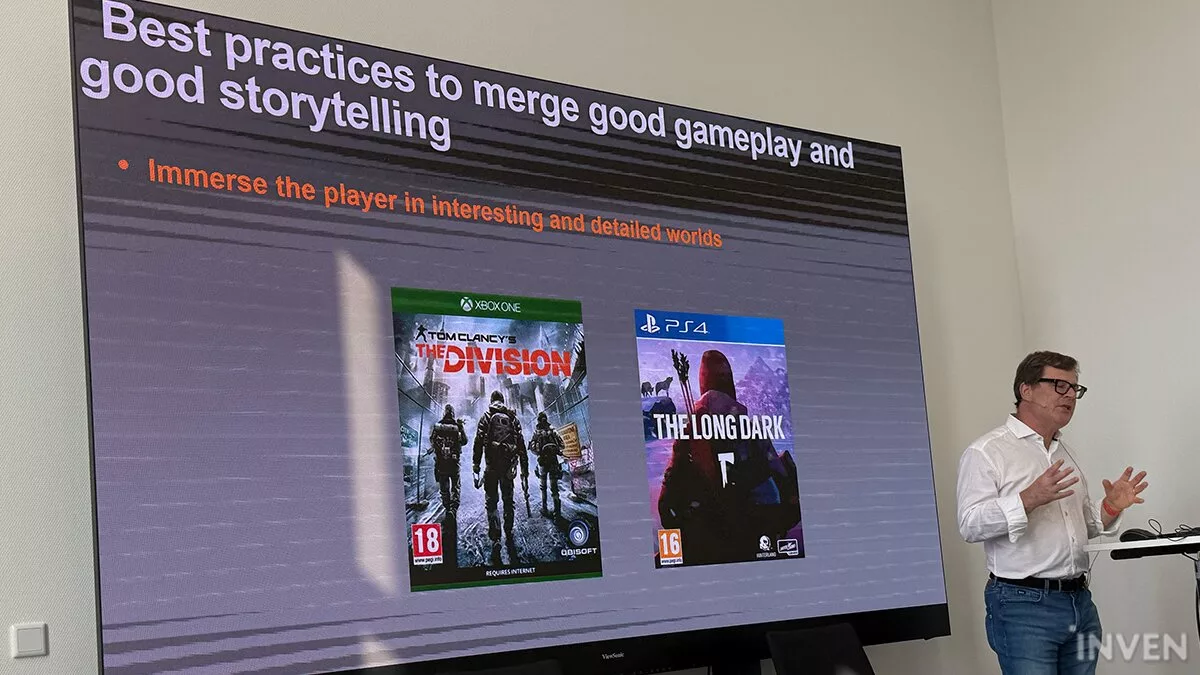
To overcome these challenges, Luban presents five strategies that have proven effective in practice. The first strategy is immersing the player in a meticulously crafted world. He points to Ubisoft's The Division, which offers a very short introduction before letting players live by their own rules in a sandbox environment. Similarly, The Long Dark lacks a traditional plot but uses a simple premise of being stranded after a plane crash and an atmosphere of extreme trustworthiness to let the environment itself tell the story.
The second strategy involves utilizing characters that evoke empathy or disgust. Luban cites the tyrant Pagan Min from Far Cry 4, who appears friendly at first but reveals a cruel side through torture sounds, yet maintains a polite demeanor that creates a mix of revulsion and fascination. He also mentions the giant creature Trico from The Last Guardian, whose mere existence stimulates purchase desire. On a personal level, Luban admits to being overwhelmed emotionally by the scene where his character loses his son in Heavy Rain.
The third strategy is introducing moral dilemmas. The action game Aim of Two presents players with choices like whether to kill their employer, adding a different layer to the gameplay. A more advanced example is Fahrenheit, where the player must choose in limited time between saving a child or fleeing from the police. While most players save the child, the moment of choice itself makes them feel like a true hero.
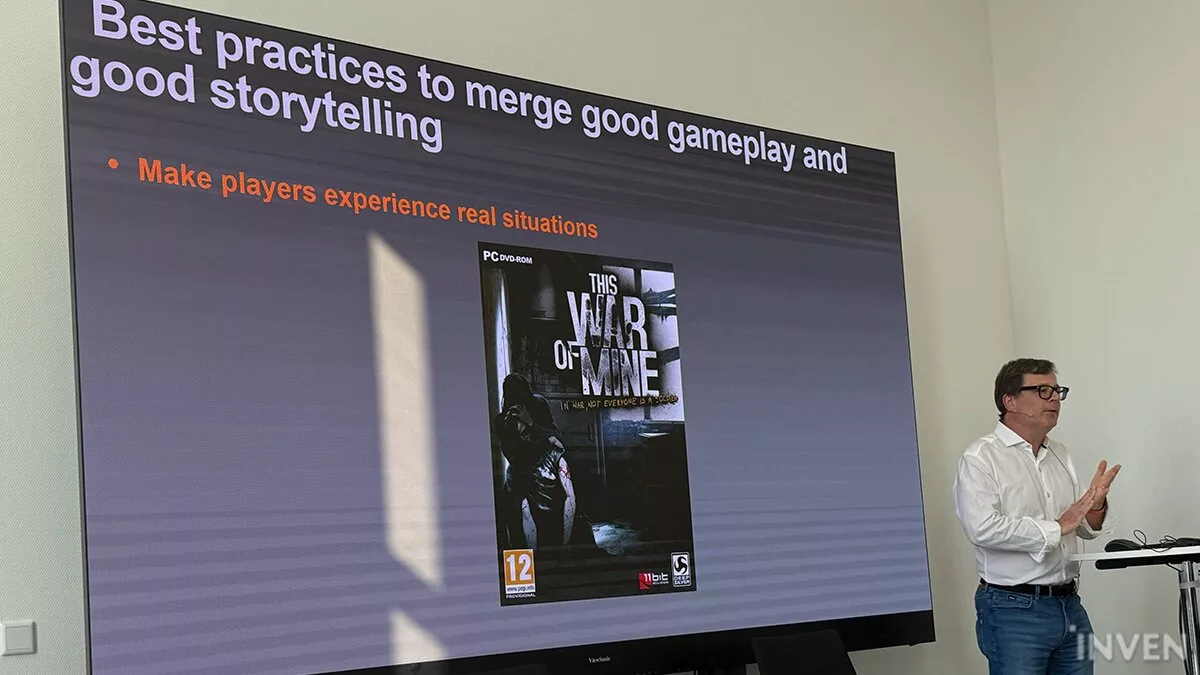
The fourth strategy involves letting players experience real-world events. Luban suggests that rooting a game in actual historical or tragic events removes the need to invent new stories. He highlights This War of Mine by Polish studio 11 bit studios as a prime example. As a management game set in a besieged city, it creates intense emotions simply by acknowledging that such situations exist in reality like Ukraine or Sarajevo, without needing traditional characters or plots.
The fifth and final strategy is designing the game around a deep scenario. Luban references Naughty Dog's Last of Us, noting that creating such games requires taking risks. He concludes that to create stories that will be remembered for a long time, developers must sometimes take these risks. To achieve better narratives in games, one needs not just technology and resources but above all, the will to speak to players, express beliefs, and show hope for a better world.
Q&A Session
In a Q&A session following his talk, Luban addressed several questions regarding AI, profitability, and career advice. When asked if AI could bridge the gap between narrative and gameplay, he noted that while AI can help untrained writers craft better stories, it cannot yet solve the complex problem of combining good gameplay with good storytelling.
Regarding why studios make narrative games despite lower profitability, Luban cited two reasons: passion-driven teams often achieve surprising successes, as seen in walking simulators that created an entire genre. The second reason is that some teams simply believe their game will succeed despite market trends, though he noted the difficulty of finding audiences for niche genres.
For aspiring narrative designers, Luban advises learning the industry's language—understanding level design and how games are made—and preparing a portfolio project. He suggests taking a typical action game concept and adding strong storytelling to enhance the experience, proving one's value through a portfolio rather than just claims.
On mobile games, he acknowledged that while some titles like an Alzheimer's-themed game succeeded by prioritizing their subject matter over gameplay, the fundamental issue is short play sessions. Mobile users often stop playing midway through a story and forget the context when returning, making long-form narrative difficult to sustain on these platforms.
Addressing whether people still read books despite mobile gaming habits, Luban agreed but noted that mobile games are often consumed for immediate leisure. He expressed hope that high-quality narrative games will eventually emerge on mobile devices, even as he continues writing his own novel. Ultimately, he emphasized that creating a masterpiece requires the willingness to express one's beliefs and offer hope to players.
Дурик
