

Art Style or New Life: Why the Switch 2 Ocarina of Time Remake is Shaping Up to Be Brilliant
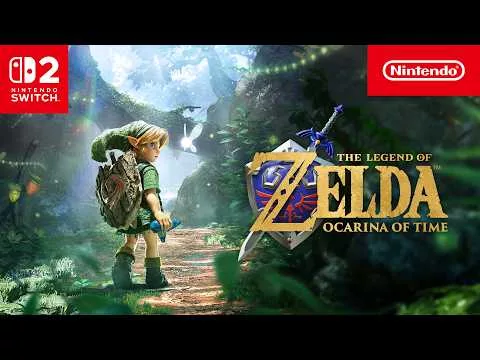
Whether you love or hate the new art direction, one thing is certain: the The Legend of Zelda: Ocarina of Time remake for Switch 2 is shaping up to be a massive undertaking rather than a simple port. Unlike the 3DS version, which merely smoothed out the edges of the original N64 graphics, this Nintendo reimagining completely rewrites the visual language, breathing new life into the world of Hyrule.
Visuals: Fairy Tale or Uncanny Valley?
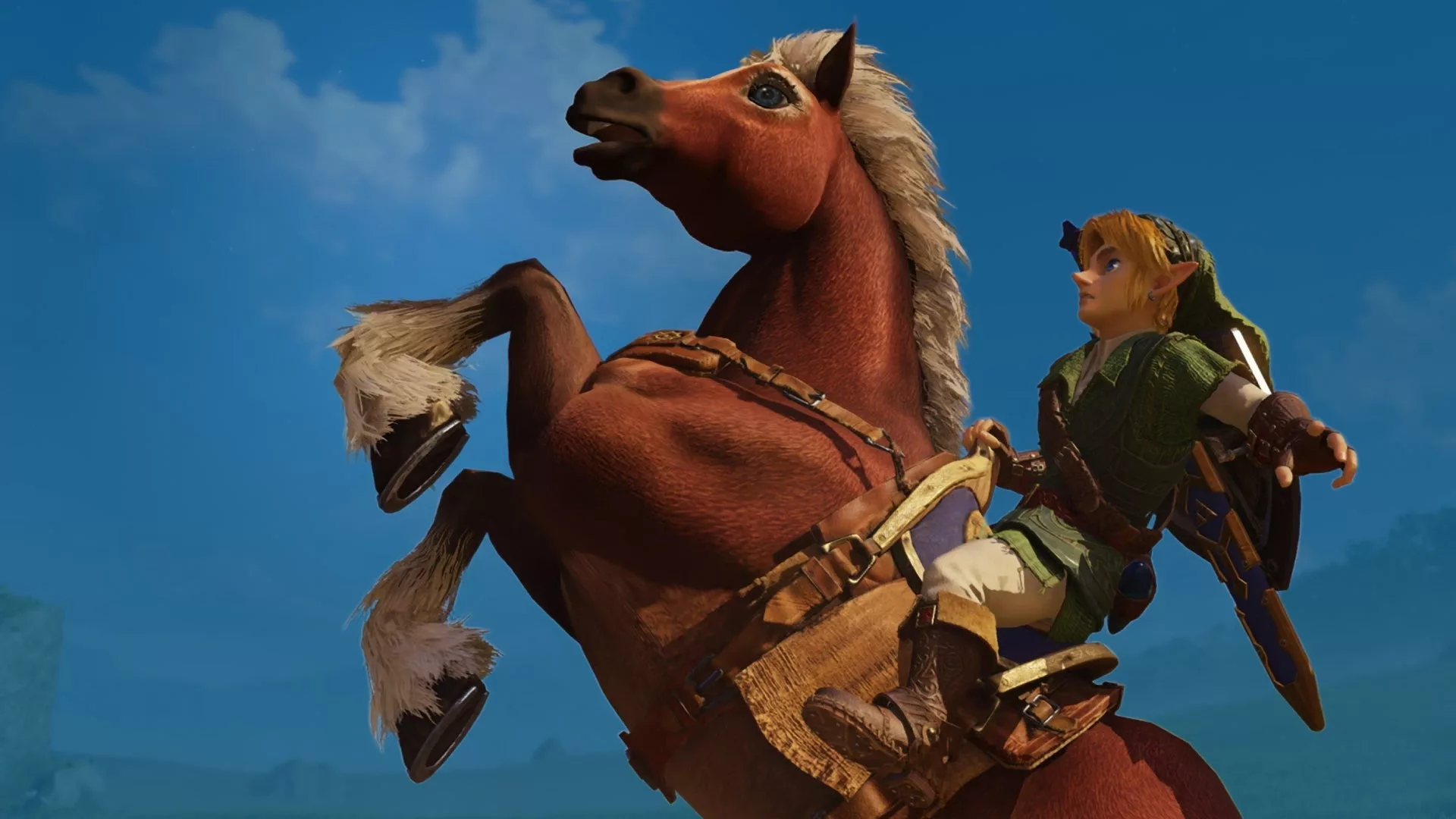
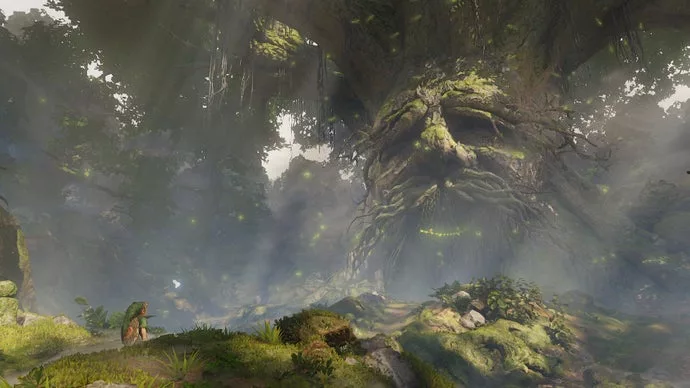
The art style has been a polarizing topic since the first trailer dropped. It is a classic 'marmite' situation: some find the aesthetic charming, while others feel the characters fall into the uncanny valley. However, after hands-on time, it becomes clear that the style works. Instead of just upscaling textures, the remake adds immense depth and texture to the environment. From the rough bark of trees to the vibrant orange hues of a setting sun, the world feels lush and tactile. The character designs, rather than feeling out of place, feel perfectly at home in this beautifully repainted landscape, capturing the essence of a dark fairy tale.
Modernized Mechanics and Controls
For players who entered the series through Breath of the Wild or Tears of the Kingdom, the remake introduces several modern conveniences. A key addition is the quick item select menu, which streamlines the use of Link's entire arsenal.
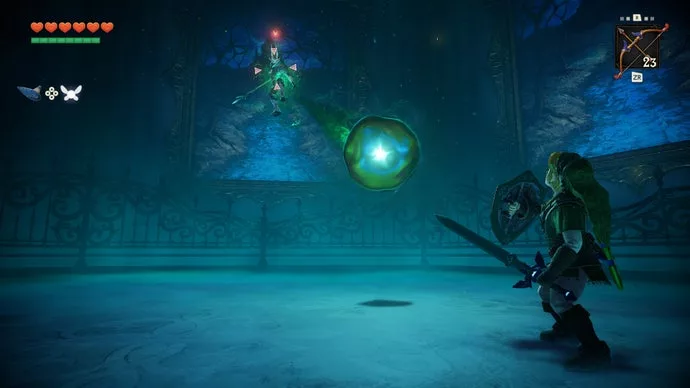
On the other hand, some changes might frustrate veterans. The removal of auto-jumping is a notable shift; players must now manually trigger jumps (with the option to remap the button to Y to match modern Switch standards). While this might lead to some clumsy moments for returning players, it aligns the classic control scheme with the direction the series has taken in recent years.
Dungeon and World Overhauls
The dungeons retain their iconic identities but feature subtle refinements to improve flow. In the Forest Temple, for instance, elevators have been added to puzzle rooms, and in the Great Deku Tree, certain paths and enemy placements have been adjusted. These changes don't feel like a total rework or a Master Quest difficulty spike; instead, they feel like thoughtful adjustments that solidify the level design without stripping away the original's soul.
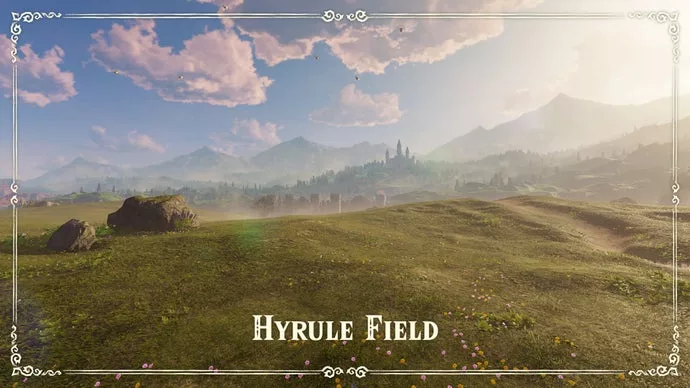
The world itself has been significantly rebuilt. In Hyrule Castle Town, the removal of the fixed camera has transformed the settlement into a bustling, living space where players can explore alleyways and discover new buildings, such as stables. Hyrule Field has also seen changes to its geography; while major landmarks like Lake Hylia remain in their places, the paths between them have shifted, featuring new elements like wheat fields near Lon Lon Ranch and hidden camps containing lore-heavy notes.
The Verdict: A Familiar Homecoming
The Switch 2 remake of The Legend of Zelda: Ocarina of Time feels like returning to a hometown after a long absence. At first glance, everything seems as you remember it, but the longer you stay, the more you realize the ground has shifted. Despite some criticisms regarding the English voice acting—which can feel a bit like a late '90s anime dub—the game offers a profound and refreshed journey through the foundation of the 3D adventure genre.
Дурик
