
NVIDIA RTX Spark: A New Era of AI Agents and Neural Rendering in PCs
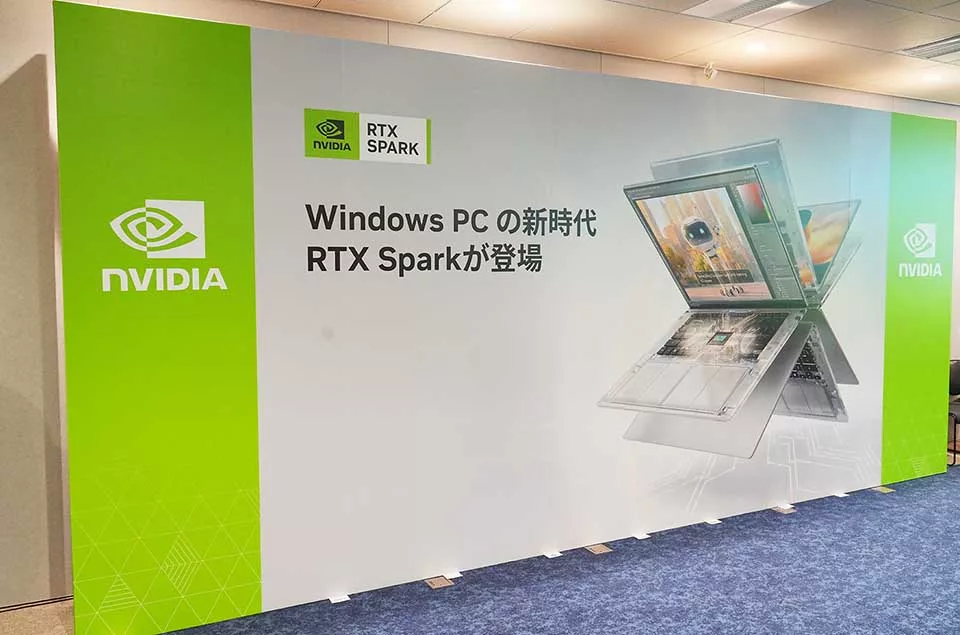
At a recent technical showcase, NVIDIA provided a deep dive into the capabilities of the RTX Spark platform, a new generation of hardware designed to bridge the gap between high-end AI processing, creative workflows, and modern gaming. Moving beyond simple hardware specs, the event focused on the practical application of 'AI Agents' and the integration of GeForce RTX 50-series technology into a versatile SoC architecture, aiming to redefine how users interact with their computers through intelligent automation and advanced neural rendering.
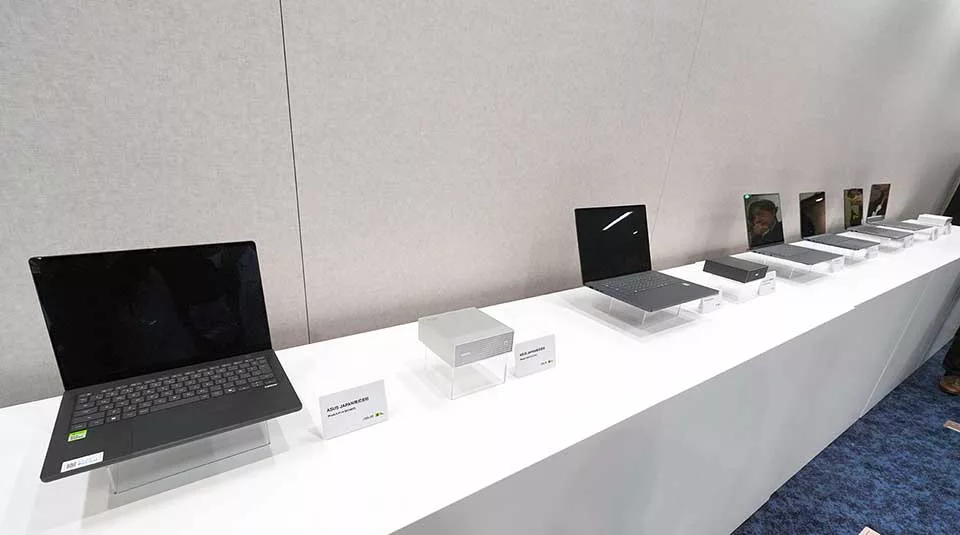
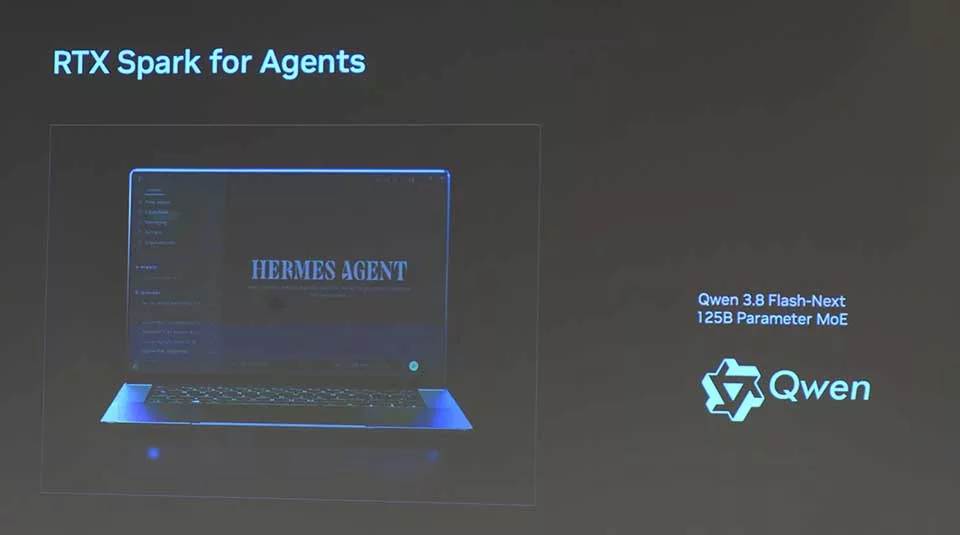
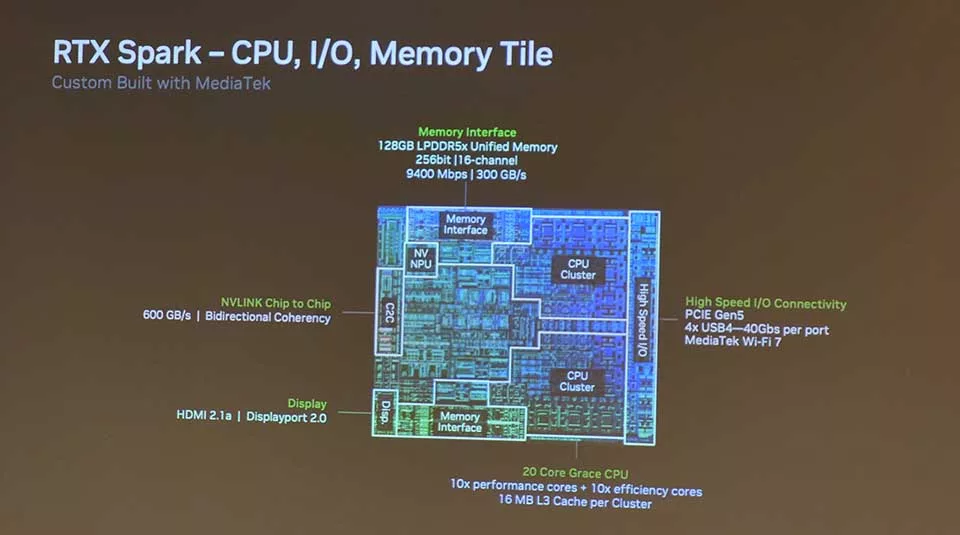
The event highlighted the distinction between the enterprise-focused DGX Spark and the consumer-oriented RTX Spark. While the underlying silicon shares similarities, the RTX Spark designed for laptops and small-form-factor PCs features a dedicated 'NV NPU' (Neural Processing Unit) to handle local AI workloads efficiently. This hardware architecture is built to support a growing ecosystem of applications, ranging from professional creative suites to next-generation gaming titles.

Empowering Users through AI Agents
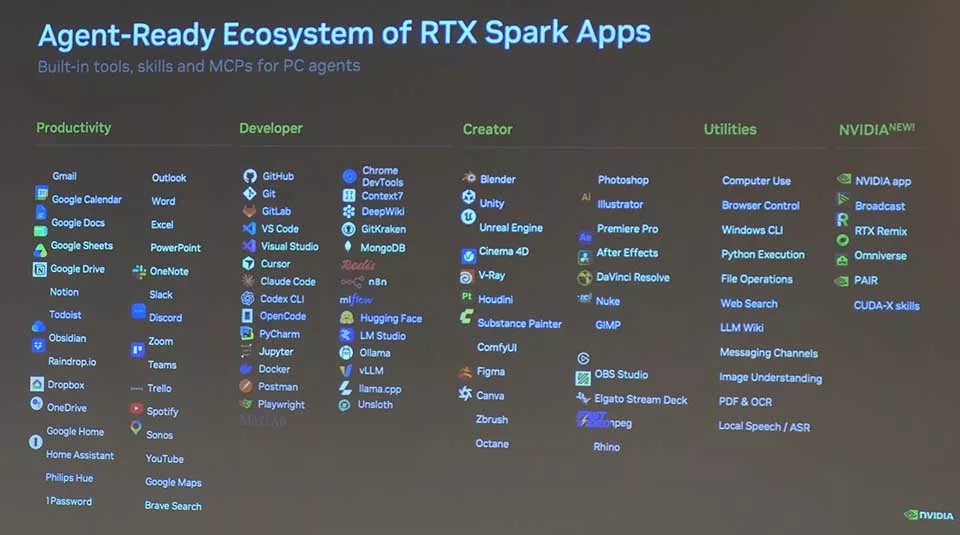
A major theme of the showcase was the practical utility of AI Agents—intelligent software entities that can perform complex tasks on behalf of the user. NVIDIA demonstrated several use cases that aim to lower the barrier to entry for highly technical fields:
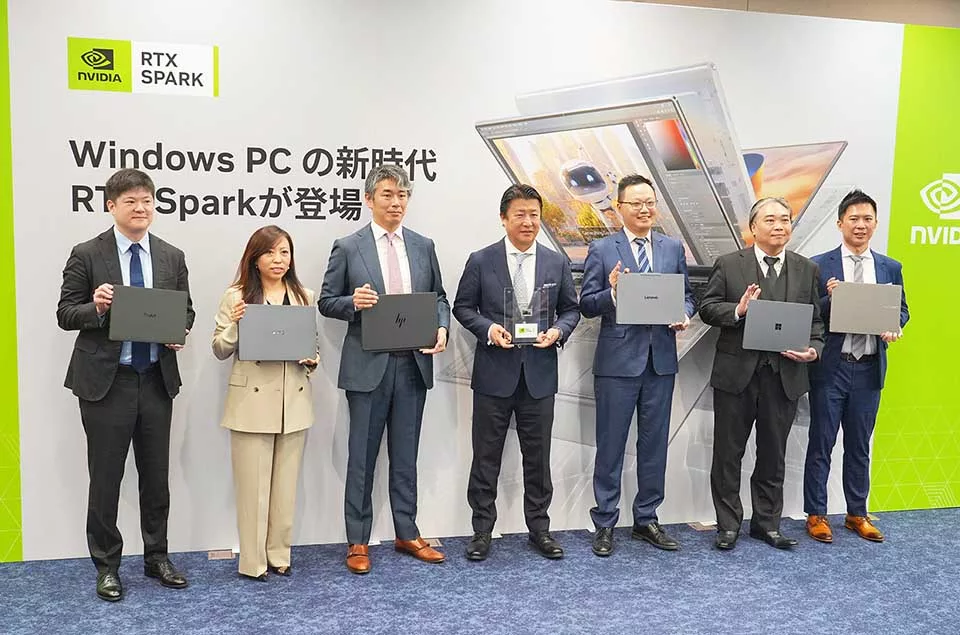
- **Advanced Programming and Robotics:** AI Agents can interpret complex technical manuals and specifications to write code. In a demonstration involving robot control, the agent could translate a user's high-level instructions into functional programming, significantly reducing the need for deep specialized knowledge to perform complex tasks.
- **Personalized Task Management:** The technology was shown managing complex schedules by cross-referencing calendars, emails, and project progress across multiple applications, acting as a virtual administrative assistant for individual users or teams.
- **Creative Workflow Automation:** In a demonstration using DaVinci Resolve, an AI Agent was able to perform professional-grade video editing based on user prompts. This allows users to achieve high-level results without needing to master every intricate menu and tool within the software.
Hardware Acceleration and Neural Rendering
The RTX Spark platform leverages its integration with GeForce RTX 50-series architecture to accelerate specific AI and video tasks. By combining generative AI models like LTX 2.5 with NVIDIA's hardware-accelerated video technologies, the system can significantly speed up the generation of high-resolution 4K HDR content. This includes tasks such as upscaling from Full HD to 4K and expanding dynamic range from SDR to HDR.
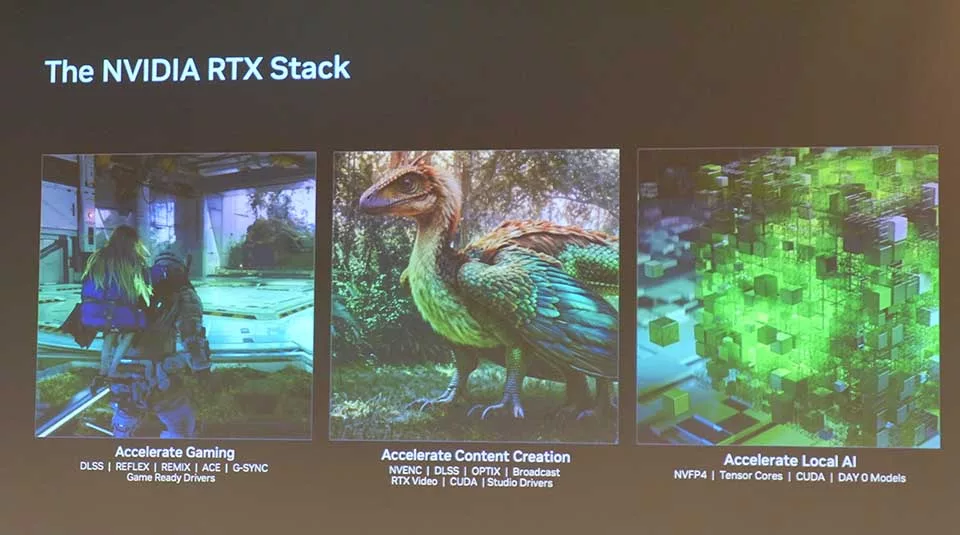
For gamers, the showcase highlighted the impact of DLSS 5 and neural rendering. Using 'NBA 2K27' as a demonstration, NVIDIA showed how DLSS 5 can enhance visual fidelity not just for the main subjects—such as players' skin and hair textures—but also for background elements like spectators and photographers, creating a more immersive atmosphere. While discrete GPUs remain the performance leaders, the RTX Spark GPU, featuring 6,144 CUDA cores (equivalent to a GeForce RTX 5070), provides a robust foundation for modern gaming features.
Addressing the Arm-based Windows Challenge
A critical hurdle for the Arm-based Windows ecosystem has been compatibility with anti-cheat software in online multiplayer games. NVIDIA addressed this by noting that they are actively working with game developers to ensure compatibility. A successful example presented was 'Marvel Rivals,' which was shown running smoothly on the RTX Spark platform, signaling progress in making the platform viable for the competitive eSports scene.
Гика
