

Project G-Assist review: NVIDIA's local AI is stronger as a platform
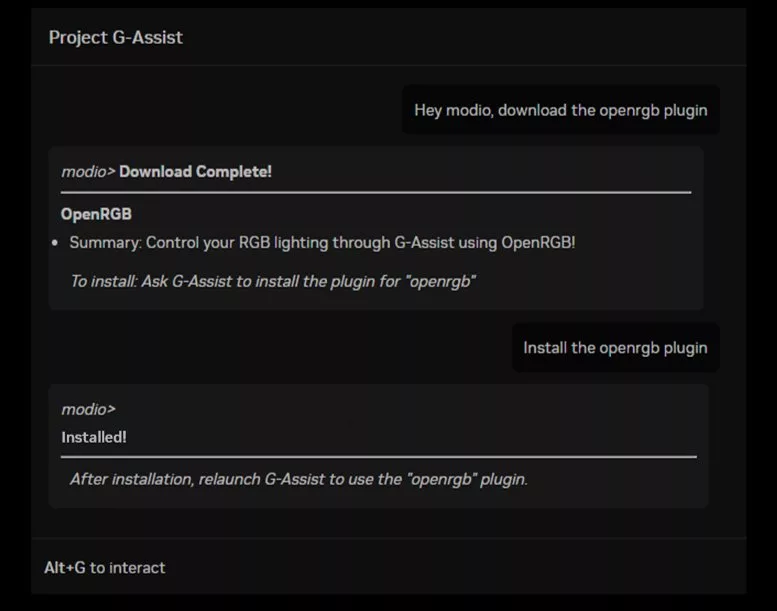
Project G-Assist matters not as one utility, but as an attempt to make local AI an interface for the gaming PC.
Local AI becomes mainstream only when it stops getting in the way of the game.
What we are scoring
Project G-Assist with a lightweight model and plug-in hub cannot yet be scored as a finished mainstream product. But the direction can be reviewed: NVIDIA is trying to make local AI on RTX PCs a useful interface, not just a demo.
The main strength is the 6GB VRAM threshold and the mod.io extension idea. That brings the assistant closer to normal players and small workflow developers.
Strengths
G-Assist works well as a system-assistant concept: monitoring, suggestions, setting changes and plug-ins connect into one layer. If it runs locally, users get a fast tool without constant cloud dependence.
The plug-in hub is especially important because it can create workflows NVIDIA will not add quickly by itself.
Limits
6GB of VRAM remains a hard constraint. In real games, memory is already used by textures, upscalers, browsers and capture. G-Assist must be tested beside games, not only in an empty system.
The second issue is trust in automatic recommendations. The assistant should not change settings in a way that makes users lose control.
Direction score
As a direction, Project G-Assist scores 8.5 out of 10: the idea is strong, ecosystem-driven and timely. As a finished product, it still needs independent testing.
The simple conclusion: NVIDIA is right to bet on local AI, but the winning version is the one that does not get in the way of the game.
Редакция MBG
