
NVIDIA celebrates GeForce 8800 GTX 20th anniversary with interactive demo
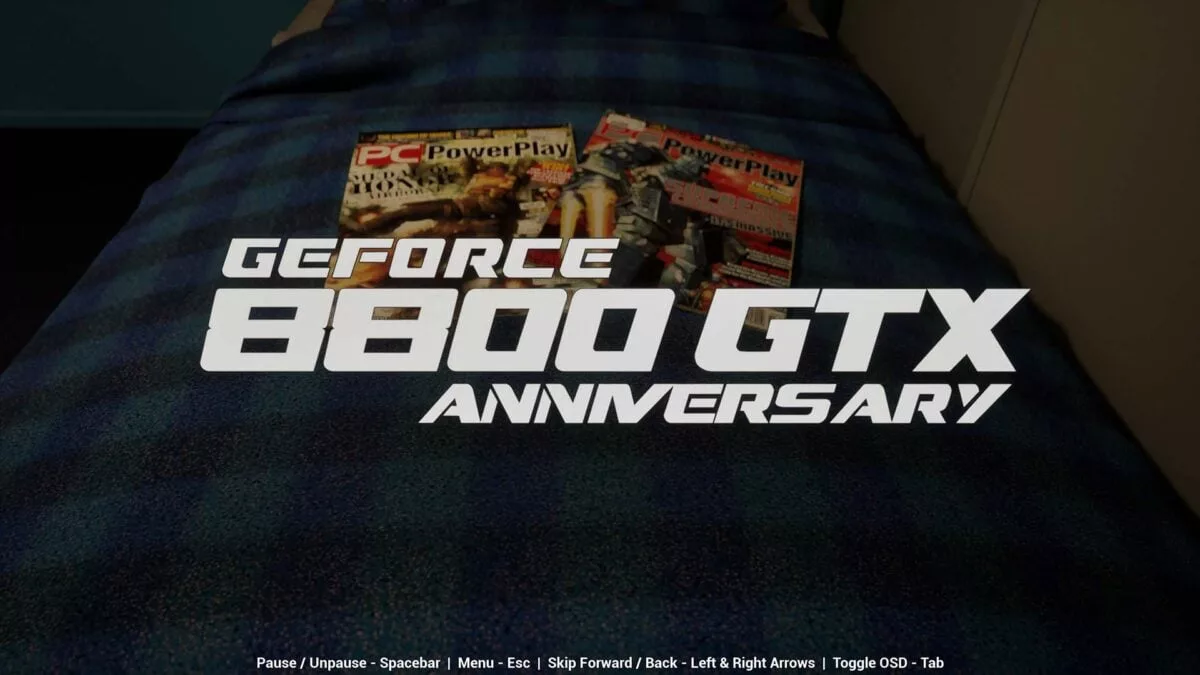
To mark the 20th anniversary of the legendary GeForce 8800 GTX, NVIDIA has released a free interactive demo that allows users to step back in time. Developed in Unreal Engine, the experience recreates the era of the G80 architecture, blending nostalgic hardware setups with modern rendering technologies like ray tracing and DLSS.
The GeForce 8800 GTX is widely regarded as a pivotal moment in GPU history. Before its arrival, graphics processing relied on fixed-function designs with dedicated pixel and vertex pipelines. The 8800 GTX introduced the Tesla architecture, which brought a unified shader design. This allowed the G80 GPU's 128 stream processors to dynamically switch between pixel processing, vertex operations, and general compute tasks. This shift not only revolutionized gaming graphics but also laid the groundwork for CUDA and the modern era of GPU-accelerated parallel computing used in data centers today.
A journey through retro hardware
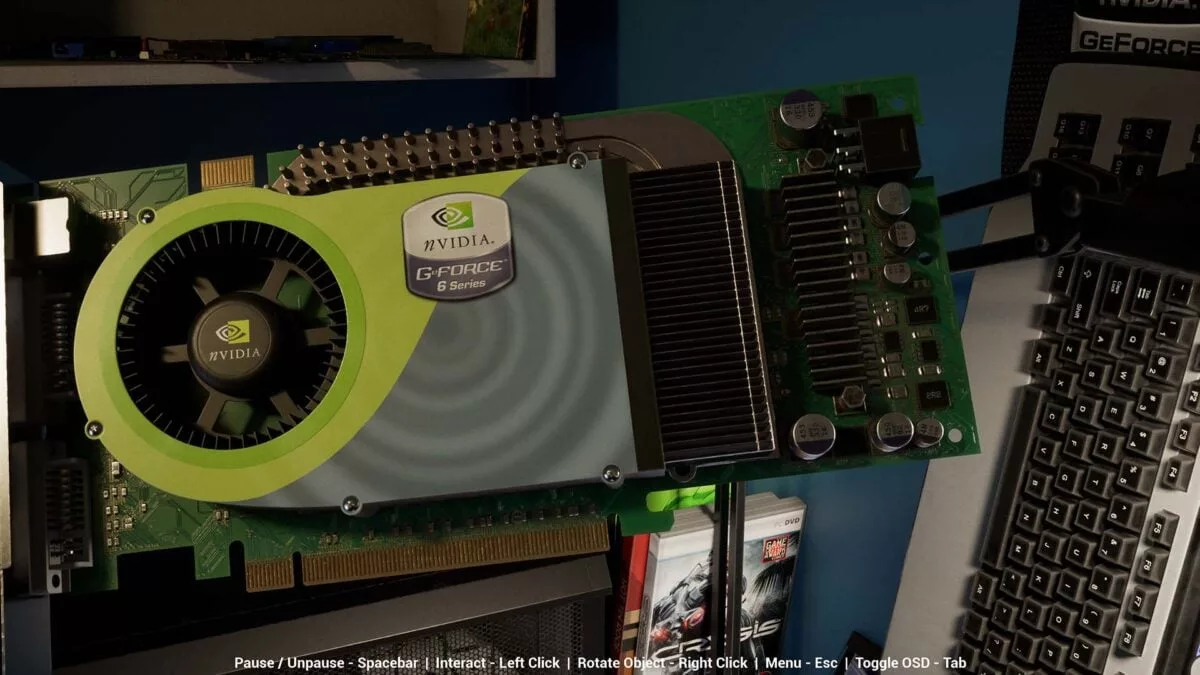
The demo, created by Dylan Browne, is designed as a highly detailed, ray-traced room filled with Easter eggs from the mid-2000s. Users can interact with various pieces of legacy hardware, including a blue Hercules GeForce 2, a GeForce 6800 Ultra, and a Riva TNT. The ability to pick up and rotate these cards allows for a close-up look at their circuit boards, rendered with modern ray-traced lighting. The environment is packed with period-accurate details, such as PC gaming magazines, floppy disks, and even a beige keyboard.
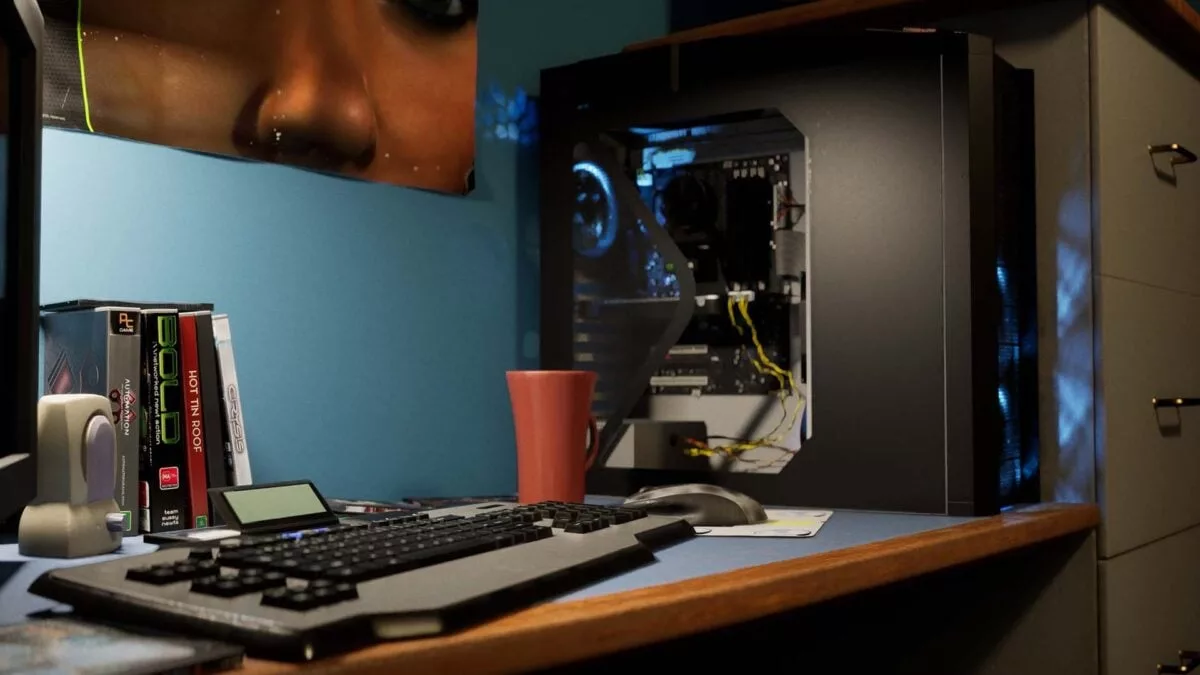
The experience moves from exploration to a simulated installation process. After interacting with the 8800 GTX in its original packaging, users can 'install' the card into a retro PC. The sequence features a CRT monitor displaying a classic POST screen and a boot sequence into Windows Vista. The demo also includes subtle nods to the era, such as references to Strongbad’s Trogdor the Burninator.
Modern tech meets classic benchmarks
The centerpiece of the demo is a sequence featuring Crysis, the game that famously pushed the limits of hardware during the 8800 GTX's launch era. In a showcase of modern capabilities, the demo utilizes Unreal Engine's latest features—including Mega Geometry, Ray Reconstruction, DLSS, and frame generation—to render the jungle environments of Crysis. Notably, the demo uses ray tracing to depict the game's action through reflections on surrounding objects like plastic boxes and discs, bridging the gap between 2006's visual benchmarks and today's rendering standards.
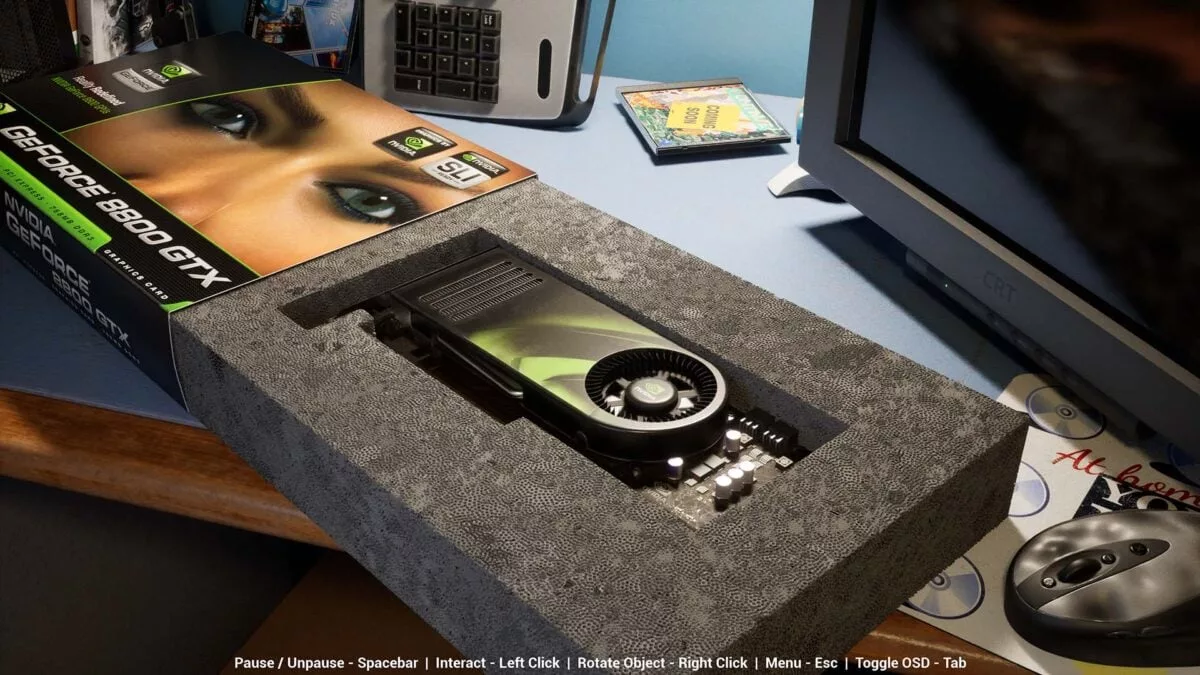
While the demo is a nostalgic trip, it also serves as a reminder of the changing economics of the GPU market. At its launch in November 2006, the GeForce 8800 GTX retailed for approximately £480, which translates to roughly £850 in today's value—a significant contrast to the current pricing landscape for high-end enthusiast cards.
Гика
