
NVIDIA Board Launches Investigation into Espionage Allegations Amid CEO's Admission of Infidelity
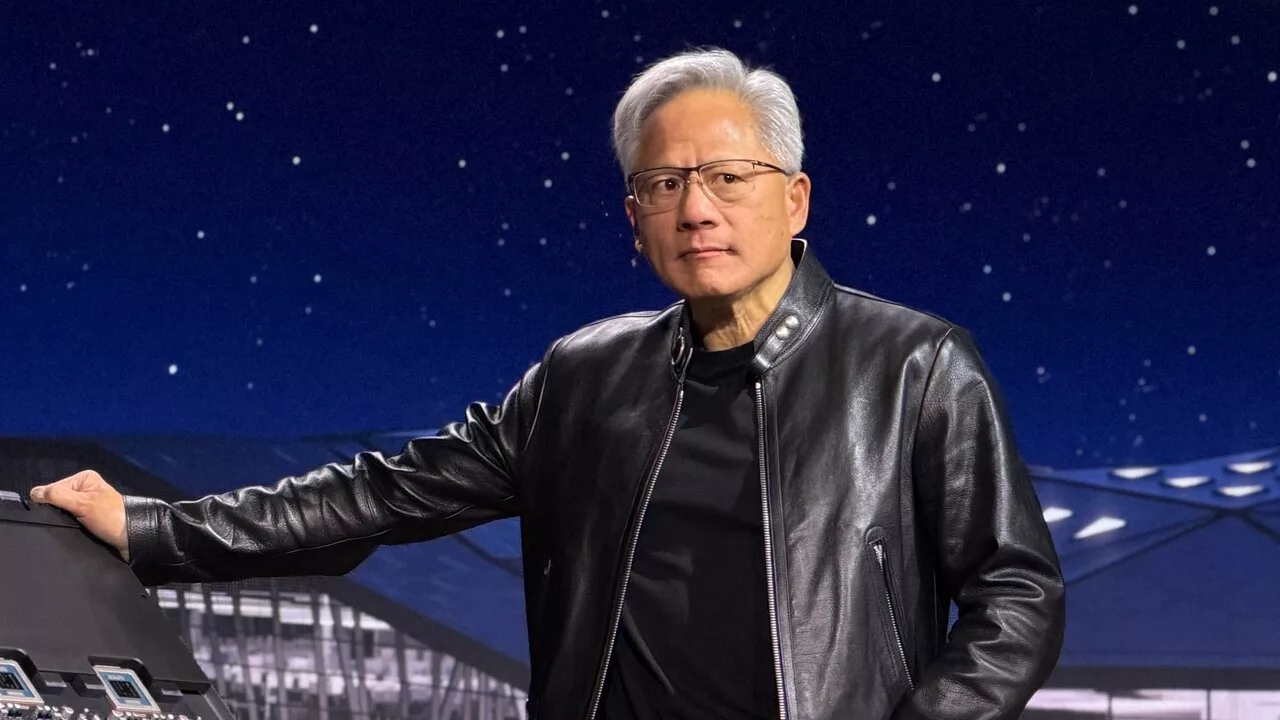
NVIDIA is facing a dual crisis involving its leadership and national security. The company's Board of Directors has announced an independent investigation, overseen by a special committee and external counsel, to examine reports that CEO Jensen Huang may have been the target of foreign intelligence activities. This move comes as Huang issued an internal apology to employees, admitting to infidelity and acknowledging a breach of his responsibilities to his family and the company.
The investigation aims to address recent reports suggesting that Huang has been the subject of a foreign intelligence effort. According to the Board, a committee of independent directors, supported by outside independent counsel, will oversee the inquiry. While the Board emphasized that it currently has no reason to believe that NVIDIA's secrets or U.S. national security have been compromised, the investigation will scrutinize all available information to ensure the interests of shareholders and national economic security are protected. Jensen Huang has stated he fully supports the review and is committed to cooperating with the process.
An Internal Apology and Admission
The controversy intensified after Axios published a draft of an internal message from Huang to NVIDIA employees, which the company subsequently made public. In the message, Huang apologized to his family and staff, admitting to being unfaithful to his wife. He took full responsibility for his actions, stating that he had failed in his duties to his family, his workforce, the Board, and shareholders. 'I know an apology cannot undo what I have done,' Huang wrote, expressing his commitment to regaining the trust of his colleagues and the company.
The Allegations: Intelligence and High-End AI Chips
The investigation follows reports from the Financial Times and The New York Times regarding a potential intelligence operation. According to the Financial Times, a U.S. government memo, based on intelligence data, alleged that Huang had a romantic relationship with Alice Huang, an executive at Megaspeed, a customer of NVIDIA. The report claimed that U.S. intelligence services were convinced that Alice Huang had been recruited by the Chinese Ministry of State Security. The White House and the CIA have declined to comment on the matter.
The New York Times further detailed that the alleged objective of this recruitment was to gather information on Jensen Huang as part of a broader Chinese effort to gain insights into U.S. AI chips. The goal was reportedly to influence NVIDIA to make its most powerful products available in China. The report also noted that U.S. Secretary of State Marco Rubio had reportedly warned high-ranking Trump administration officials about Huang's connection to a woman suspected by intelligence agencies to be a Chinese agent.
Supply Chain and Sanctions Concerns
The scrutiny extends to NVIDIA's business operations in China. The New York Times reported on a company called New Matrix, which allegedly received U.S. government approval to purchase certain NVIDIA chips. However, investigative reporters found that the company's registered address was a largely empty building, and corporate documents suggested links to an entity on the U.S. sanctions list. In response, NVIDIA stated that it does not share confidential information with customers and prioritizes the sale of its most advanced technology within the United States.
Гика
