

Nintendo Switch 2 Gets Pricier: How the AI Memory Crisis Is Hitting the Gaming Market
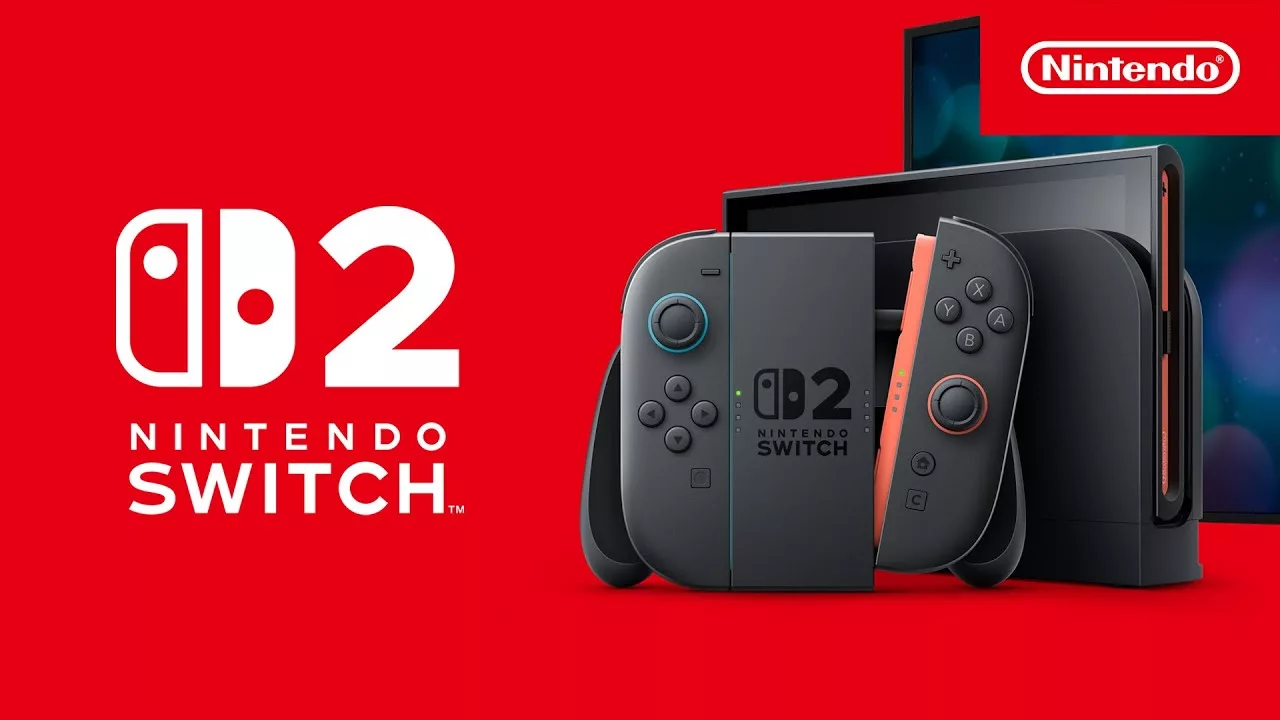
When tech giants hoard memory chips for their AI server farms, the collateral damage falls on an unexpected sector — gaming consoles. The Nintendo Switch 2 has become the first visible casualty of this global shortage.
DRAM has nearly doubled in price — AI datacenters are outbidding all consumer electronics for limited supply.
On May 8, 2026, Nintendo announced global price increases for the Switch 2. In the US, the console rises from $449.99 to $499.99 effective September 1, 2026. Japan already felt the increase: since May 25, the Japanese version costs ¥59,980 versus the previous ¥49,980.
Root Cause: DRAM and the AI Boom
According to Nintendo's official statements and industry analysts, the main driver is a sharp increase in DRAM prices. Memory chip costs have nearly doubled in recent months as AI datacenter operators outbid consumer electronics manufacturers for limited production capacity. Chip makers (Samsung, SK Hynix, Micron) are prioritizing high-density server HBM memory over consumer DRAM — it's simply more profitable.
Scope of Price Changes
Nintendo raised prices not just on the hardware. Digital versions of Switch 2 exclusives are now priced differently from physical copies: Yoshi and the Mysterious Book costs $59.99 digitally and $69.99 physically. Physical game prices remain unchanged for now.
Sales Forecasts
Switch 2 reached 19.86 million units sold in its first year. However, Nintendo forecasts a slowdown: the company projects only 16.5 million units for the next fiscal year. Nintendo shares fell after the conservative sales outlook was published.
What Comes Next?
Analysts don't expect DRAM prices to fall in the short term — AI infrastructure demand will continue growing at least through the end of 2026. For the gaming market, this means Nintendo's price hike is likely not the last: other hardware manufacturers face the same pressures.
Редакция MBG
