

Why 'Adventurers' instead of 'Hunters' in Monster Hunter Outlanders?
With the global launch of Monster Hunter Outlanders set for October 29 (excluding mainland China), the game has arrived at TGS 2026 looking significantly more polished than in previous demos. In an interview with Inven, Capcom producer Ichiro Kiyokawa and TiMi Studio producer Dong Huang discussed how player feedback shaped the development and why the concept of the protagonist has shifted for this mobile entry.
A Shift in Identity: From Hunters to Adventurers
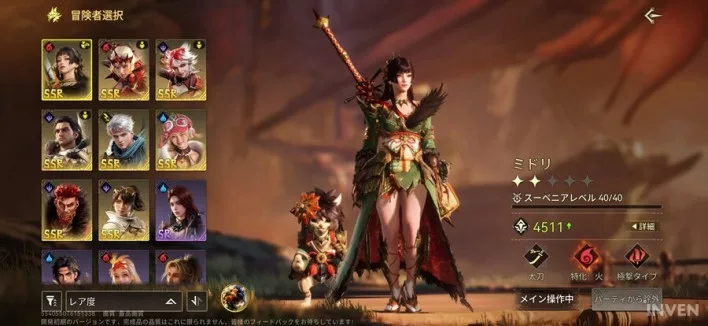
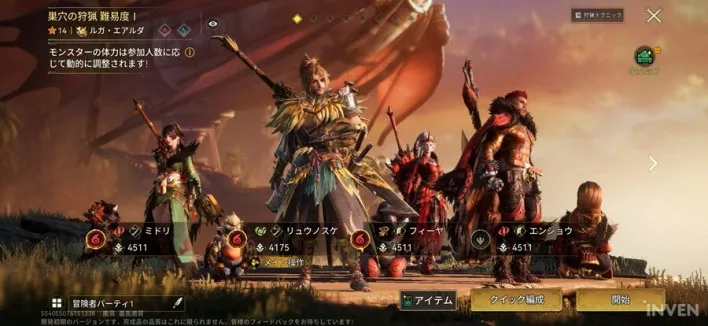
The most striking departure from the mainline series is the change in the protagonist's title. While players have traditionally been 'Hunters,' in Monster Hunter Outlanders, they are known as 'Adventurers.' Ichiro Kiyokawa explained that this change allows TiMi Studio to implement original gameplay mechanics. Unlike traditional hunters, Adventurers can gather resources and construct structures to assist with traversal and various tasks in the field.
The game also introduces companion Adventurers, each featuring unique appearances, weapons, and skills, adding a layer of variety and companionship not seen in previous mobile spin-offs.
Balancing Complexity and Accessibility
A major goal for the developers was lowering the barrier to entry. While the core series is famous for its deep theorycrafting through gear and decoration combinations, Monster Hunter Outlanders places more emphasis on character growth. This design choice aims to make the game more accessible by reducing the immediate complexity of the equipment system while still retaining gear-based progression.

Regarding the arsenal, all 14 weapon types from the original series are slated to be added via seasonal updates. For now, the focus remains on mastering the existing weapons and the unique roles they provide.
Addressing Feedback: The End of Interruptive Cutscenes

During earlier testing, players criticized the 'ultimate ability' cutscenes, noting that they disrupted the flow of the hunt and broke the combat rhythm. TiMi Studio has addressed this by moving away from traditional, long-form cutscenes. The new default is a camera-based presentation that showcases flashy action without stopping the gameplay. However, recognizing diverse player preferences, the developers will include three different presentation modes in the final build.
Mobile-First Design and Controls

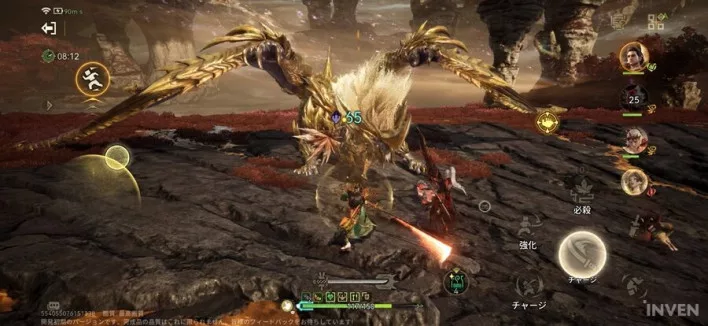
Adapting high-level action for mobile screens remains a priority. The developers are tackling control difficulties through three main methods: a 'Starter Mode' for simplified inputs, extensive UI customization (allowing players to resize and reposition buttons), and consolidating complex skill inputs into single actions. Interestingly, they decided against implementing flick gestures for dodging to avoid conflicts with camera movement in the game's wide combat spaces.
Ultimately, Monster Hunter Outlanders aims to serve as both a fresh experience for veterans and an accessible entry point for new players, bringing high-quality action to the mobile landscape.
Дурик
