

Modders unlock hidden AI performance on NVIDIA RTX 20, 30 and 40 series GPUs
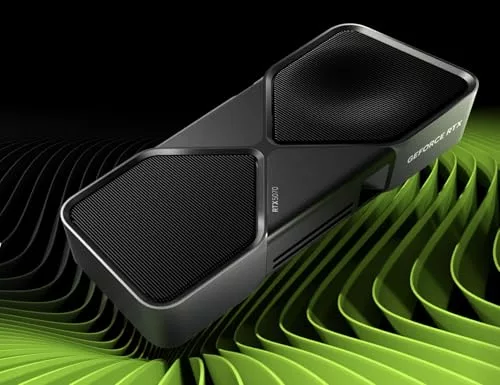
Modders have discovered ways to bypass compute performance restrictions on several generations of NVIDIA GeForce GPUs. Expanding from the RTX 30 series to include RTX 40 models and even the older RTX 2080 Ti, these modifications target the underlying hardware limits of Tensor Cores.
Technical Implementation
The process does not involve hardware modifications or VBIOS flashing. Instead, tools like the GPU-Unlock and Turing Unlock projects modify low-level GPU configuration registers before the NVIDIA driver loads. This removes limits on the rate at which certain Tensor Core instructions can be issued. These changes are temporary and are cleared whenever the GPU loses power.
The modifications primarily target FP16, BF16, TF32, and FP8 operations with FP32 accumulation. This makes them highly effective for matrix multiplication tasks, which are essential for Large Language Model (LLM) prompt processing and various image-generation workloads.
Performance Gains and Limitations
While the throughput increases are significant in compute benchmarks, they do not translate to higher gaming performance. Reported results include:
- RTX 4090 saw FP16 Tensor Core instruction throughput double from 165.6 to 331.6 TFLOPS.
- RTX 3090 Ti increased BF16 matrix multiplication performance from 87.5 to 157.4 TFLOPS.
- RTX 2080 Ti reached 111 TFLOPS, compared to 59.9 TFLOPS without the unlock.
In practical AI applications, the benefits vary. For LLMs, RTX 3090 users reported prompt-processing improvements of roughly 14% to 36%, while token generation remains largely unchanged due to memory bandwidth bottlenecks. Gaming performance remains unaffected. Most current implementations target Linux, though experimental Windows versions exist. Users should note that these modifications are not risk-free and can lead to boot failures if misconfigured.
Market Implications
These unlocks could impact the secondary market. High-VRAM cards like the RTX 3090 and RTX 4090 are already popular among AI enthusiasts. Increasing their raw compute capability could make them even more desirable for AI workloads, potentially shifting demand and pricing in the used GPU market.
Гика
