Minimising the gap between announcement and launch: A strategy to combat AI clones
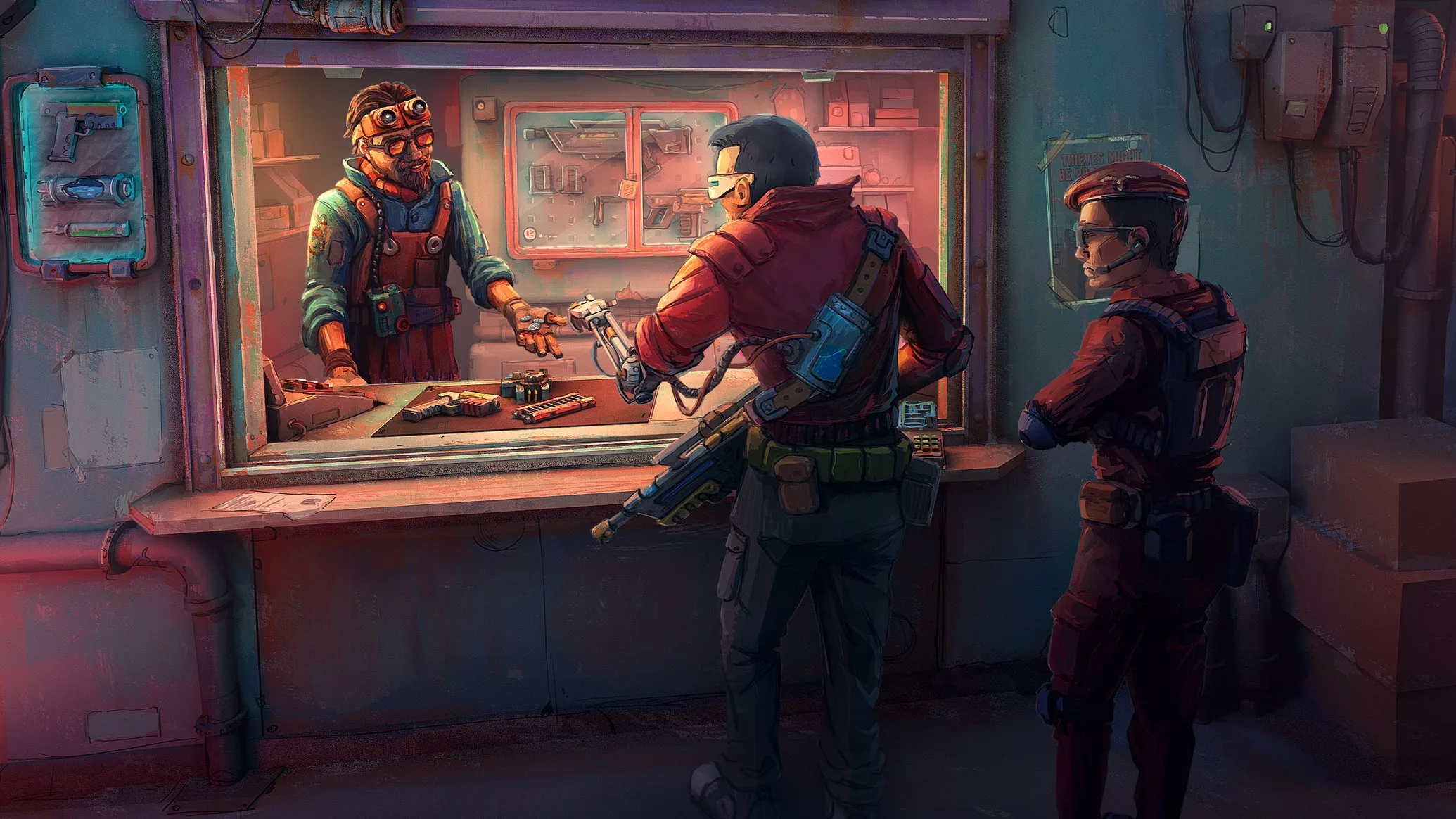
As generative AI technology advances, developers are facing a new threat: the rapid emergence of AI-generated clones. To combat this, industry leaders are rethinking traditional marketing cycles. Alex Nichiporchik, head of Tinybuild, suggests that minimizing the time between a game's announcement and its actual release may be one of the most effective ways to protect intellectual property and maintain player interest.
The rise of AI clones has become a major talking point in the industry. Recent improvements in generative AI allow unscrupulous developers to quickly replicate games in development, sometimes by reverse-engineering code from public demos. A notable example is Needle in a Haystack Simulator, where a viral video on X led to a wave of similar copycats appearing on Steam shortly after. In some cases, these imitators have even been accused of copying code from one another.
This phenomenon is forcing a fundamental shift in how studios and publishers approach marketing. Traditionally, the strategy was to announce games early to build up wishlists over a long period. However, as Stefan Metaxa of Spiderling Studios notes, this 'traditional wisdom' is changing. The new approach, being tested by publishers like Tinybuild, focuses on keeping the gap between announcement and launch as short as possible to prevent titles from being forgotten or copied.
The success of Probably Stolen
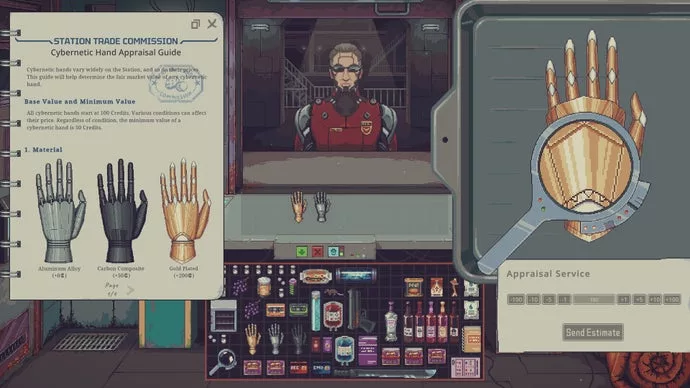
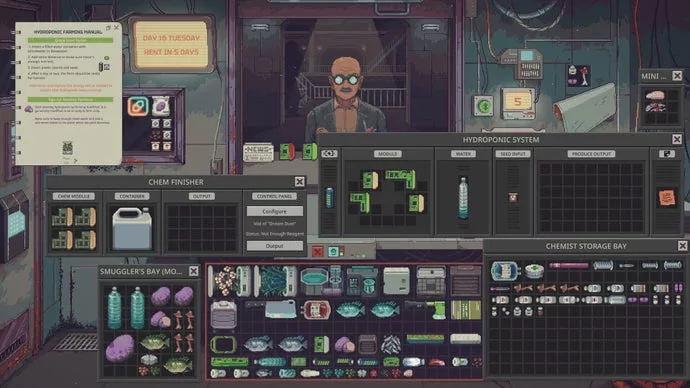
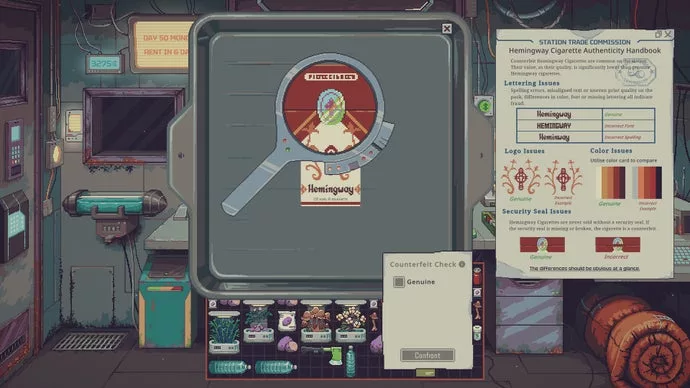
Tinybuild's experimentation with shorter release windows has yielded significant results. For the cyberpunk shop simulator Probably Stolen, the interval was remarkably brief: announced on August 3 and released on October 28. This strategy did not negatively impact sales; instead, the game has already surpassed one million units sold. The launch was so successful that Tinybuild had to abandon its tradition of celebrating based on concurrent users (CCU), as the game's CCU rapidly climbed above 80,000 and continued to rise.
Nichiporchik attributes this success to several factors. First, a short window keeps the game fresh in players' minds, preventing it from 'fossilizing' on wishlists. Second, the decision to delay the announcement was strategic. Originally intended for a May reveal, the team pushed the date back after internal playtests showed lower-than-expected scores. This allowed them to fix issues and ensure the game would resonate with audiences immediately upon reveal.
Defending against 'AI Slop'
The threat of unauthorized clones is exacerbated by tools like REA (Reverse Engineer Anything), which can decompile executables back to source code. Nichiporchik highlighted how easily a port of Graveyard Keeper for Android was created by reverse-engineering the code and adding touchscreen controls. Despite these technical challenges, he argues that developers should not fear AI-made 'slop.'
According to Nichiporchik, AI struggles to replicate 'game feel'—the intangible quality of how a game plays. While AI can multiply existing skills, it cannot create something meaningful from nothing. 'As long as you have great game feel and a great game loop, I think you're going to be OK,' he stated, emphasizing that player engagement and time spent in-game are the ultimate defenses against rapid imitation.