
Metro 2039's return to the underground plays like the sneaky FPS you'd expect, but there are still good reasons to leave the beaten track
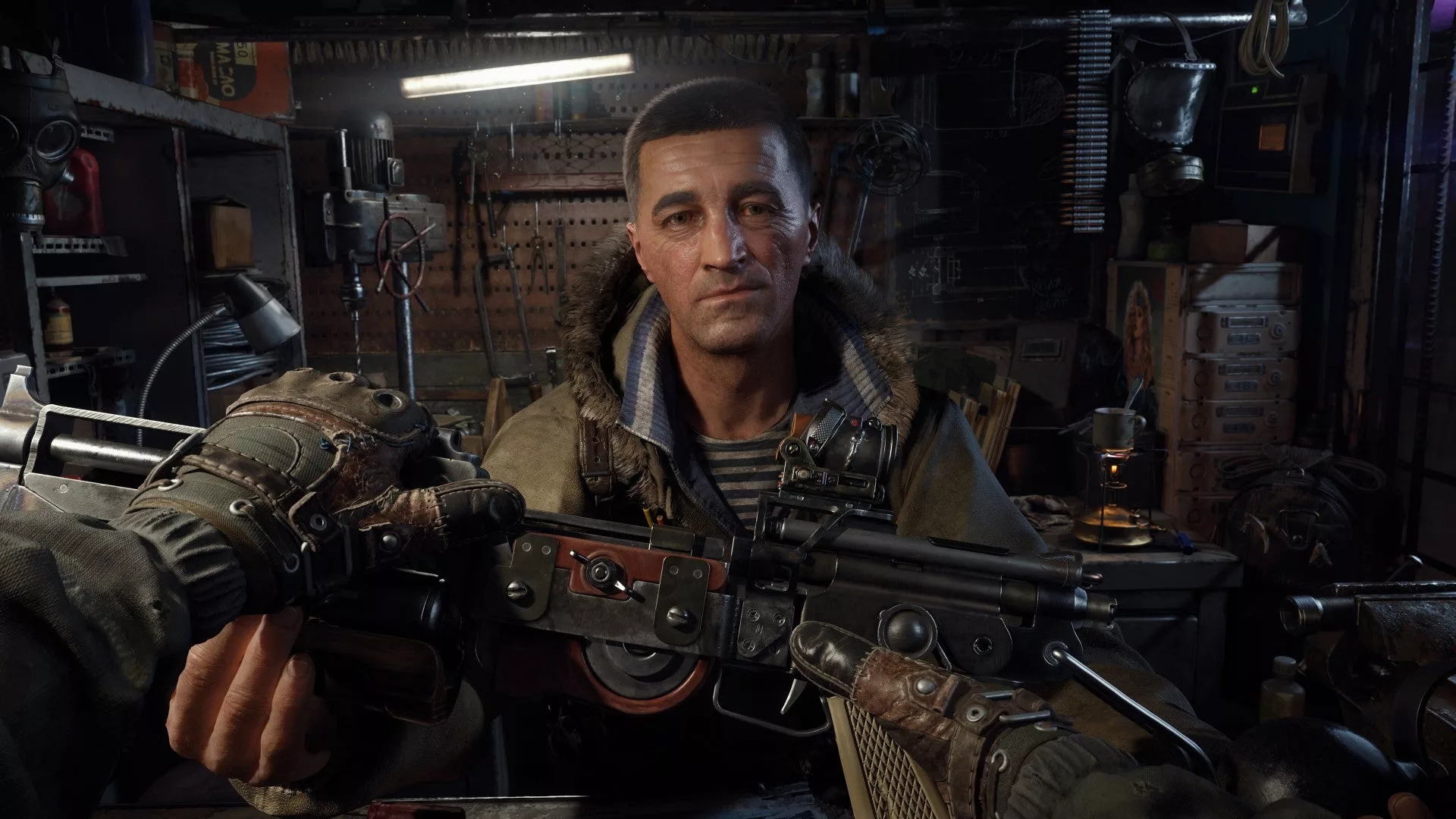
Metro 2039 has returned to the underground, and its demo confirms that the sequel is playing like a classic stealth-focused first-person shooter, yet it still offers compelling reasons to venture off the beaten track.
A Return to Roots with a Hybrid Twist
Metro 2039, developed by Ukrainian studio 4A Games, is explicitly styled as a return to the series' roots. The demo experience confirms this direction, blending the claustrophobic tunnel dwelling of Metro 2033 and Last Light with the more freely roamable elements found in Metro Exodus. This hybrid approach mirrors the mutated shrimp-insects lurking in the Moscow sewers: a mix of familiar territory and new dangers.
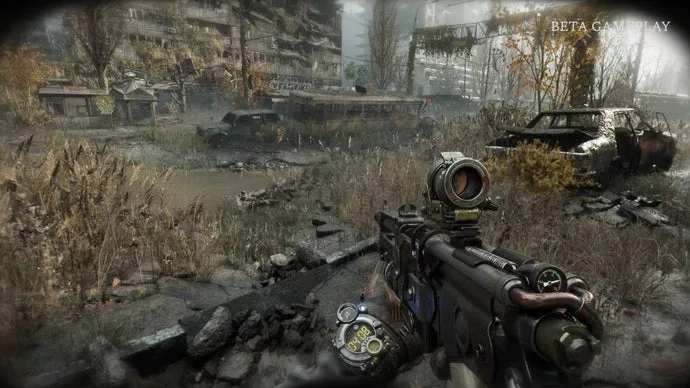
The setting is as finely detailed and chokingly atmospheric as any previously visited station-settlement. The surface remains a ravaged grey hell, where the acoustic guitar strums and scritchy rat sounds of the stations are replaced by dusty winds and the dreadful tick-tock of your Geiger counter. You play as the sternly voiced Stranger, a new protagonist distinct from Artyom and his train mates from Exodus, who have long since departed.
Tighter Combat and New Arsenal
The combat in the demo feels tighter than Exodus' gunplay, thanks in part to some nicely bangy audio work. Among the arsenal of hacked-together firearms, the newest addition stands out: a powerful compressed air rifle. This weapon excelled in silent headshots and one-tap mutant kills alike, proving that the shooting mechanics are not just functional but fresh.
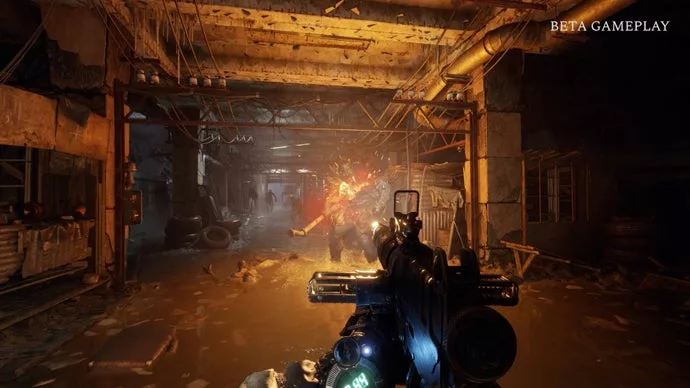
However, the combat largely plays out like the narrow corridor fights of Last Light. While functional, it lacks the particular freshness found in other titles. The game leans heavily on its stealth mechanics, which feel more refined than in previous entries, allowing players to navigate the hostile environment with a sense of sneaky precision.
Psychological Horror and Voluntary Exploration
One hallucinatory horror section did have the audacity to mix things up, swapping out action entirely for some spooked-out puzzling. This is allegedly something we will see more of in Metro 2039, as the Stranger is clearly burdened with a more troubled mind (and a more tragic past) than Artyom ever was.
Set in an abandoned school, this section pulls every ghost child trick in the book, down to the mysteriously self-moving tricycle creakily wheeling into view. While the psychological terror didn't quite land for everyone, it highlights the game's willingness to experiment. The demo's trip to the surface effectively positioned an overgrown stretch of shattered Moscow as a miniature hub.
Crucially, you are not constantly funnelled down a single path. Several optional foraging and exploration opportunities are available before cracking on with the linear story. For instance, a haunted school was an entirely voluntary endeavour, and another hollowed-out building occupied by Humanimals—Nosferatu-looking mutant folk whose light sensitivity and tendency to sleep standing up presented some of the demo's most clenchworthy moments of high-tension stealth play.
Resource Management as a Core Mechanic
Your reward for skulking off down these side paths tends to be crafting materials. Exodus' DIY gear-cobbling has also survived the jump to Metro 2039. While this might sound like literal rubbish—well done on surviving that colony of nuclear-powered megadogs, champ, here's some scrap metal and half a bottle of Viakal—the game appears fiendishly good at stretching out your resources.
Any spare parts become desirable treasures. In the two-hour demo, players ran down to their final minute's worth of gas mask filters more often than in the entirety of 2033 or Last Light. Later, as supplies really started running dry, players were forced into disproportionately agonising choices over whether to spend precious junk on replenishing low ammo reserves or buying more scavenging time with additional filters. The system works, even if it is not a terribly original one.
A Renewed Sense of Political Fury
Besides its glimpses of the Führer, Metro 2039's big baddie and chief peddler of bloodthirsty them-against-us-isms, the demo also provided a taste of the game's most interesting quality: a renewed sense of political fury.
Drawing on both the Metro novel series' historical allegories and the ongoing invasion of the studio's home country, Metro 2039 might yet blaze a trail after all—the first AAA shooter to castigate a real, current war, not make ooh-rahhing excuses for it. Safe sequel or not, that is a game worth playing more of.
Дурик
