
Masters London: Everything You Need To Know before the Swiss Stage opens
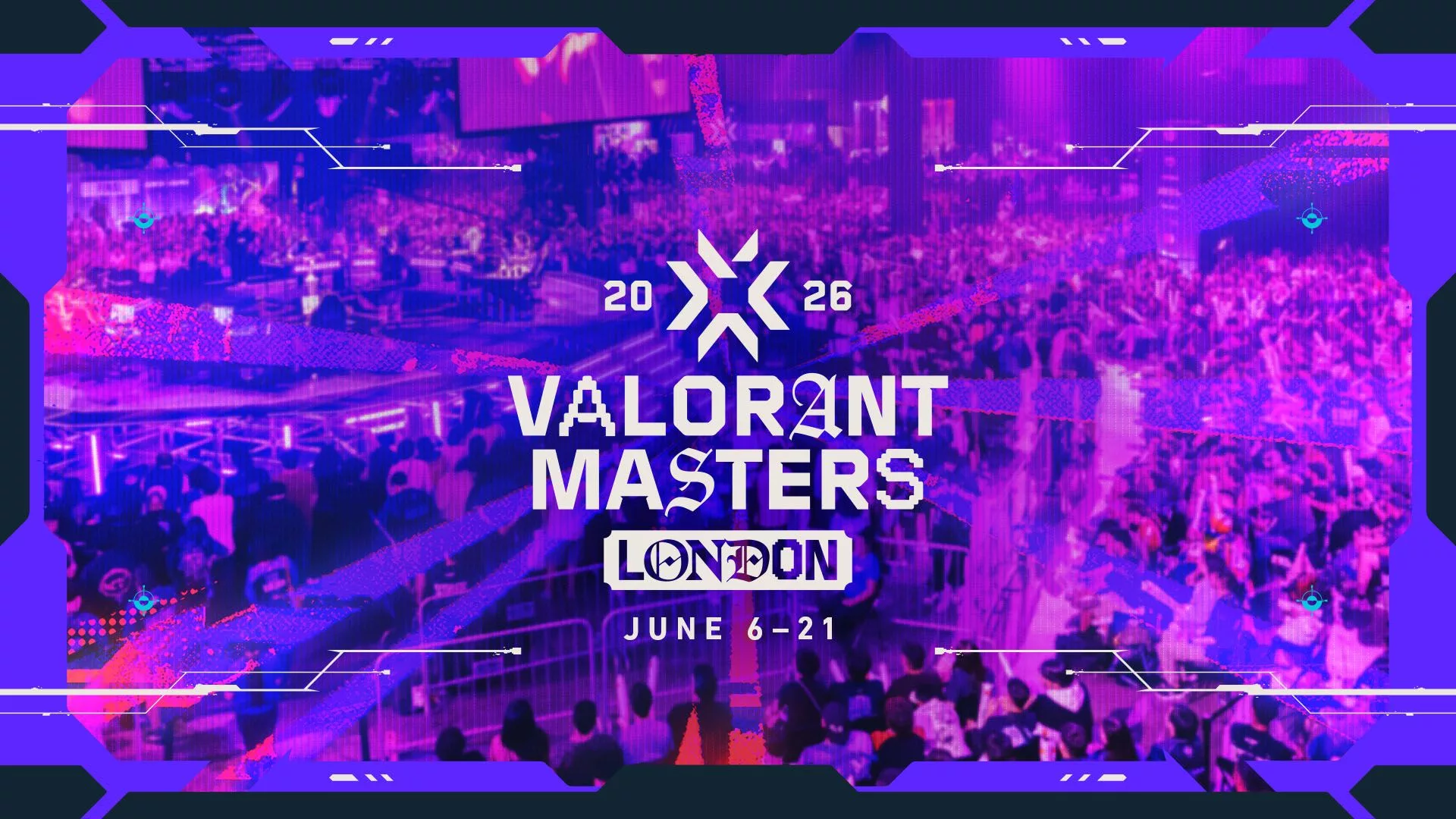
Before a major international tournament starts, the most valuable thing is not having more posts. It is having one source that can safely anchor naming, structure, and timing. For Masters London, that source is the official VALORANT Esports breakdown.
What the explainer locks in officially
The page Masters London: Everything You Need To Know explicitly calls the event the second global event of the 2026 VCT season. That is more than promo wording. It is the framing sentence that both editorial coverage and community summaries can rely on without second-guessing the event’s place in the circuit.
It also locks the structure around a Swiss Stage and a London finals weekend. In Riot’s broader official coverage, the Swiss portion is tied to the June 6–10 opening window, while the later half of the event carries the playoff and finals emphasis. That makes the explainer the core reference document for the whole event week.
Why the Swiss Stage matters so much here
For viewers, the Swiss Stage is not a dry format note. It is often the point where the event becomes a pressure cooker fastest. Early mistakes are punished harder, and the opening days can generate more narrative tension than slower group-play structures in other esports.
That is why Riot’s early communication around Swiss is useful. It tells viewers where to focus first, and it tells editors how to frame the opening coverage properly: not as a warm-up before playoffs, but as a meaningful dramatic phase of the event in its own right.
Why this article still matters after the social fragments spread
Big international events quickly accumulate clips, short cards, fan-made schedules, and broken-down infographic fragments. In that environment, the official explainer is valuable because it usually remains the most stable reference point for stage names, event status, bracket logic, and broad framing.
That is why the VALORANT Esports page should be read less as another promotional post and more as a working document. It helps synchronize editorial vocabulary, viewer expectations, and the baseline context for every match story that comes after it.
What viewers can already take from it
If you want a compact viewing plan, the logic is straightforward: treat the Swiss Stage as the first major pressure cluster, then keep the London finals weekend in mind as the second big emotional peak. Save Riot’s event page as the primary reference rather than leaning on secondary summaries alone.
That is the core reason the official article still matters before matches begin. It does not answer every question about team form, but it does anchor the tournament structure more reliably than almost anything else in the ecosystem.
Редакция MBG
