MapleStory franchise Q3 revenue rises 72%, drives overall growth for Nexon
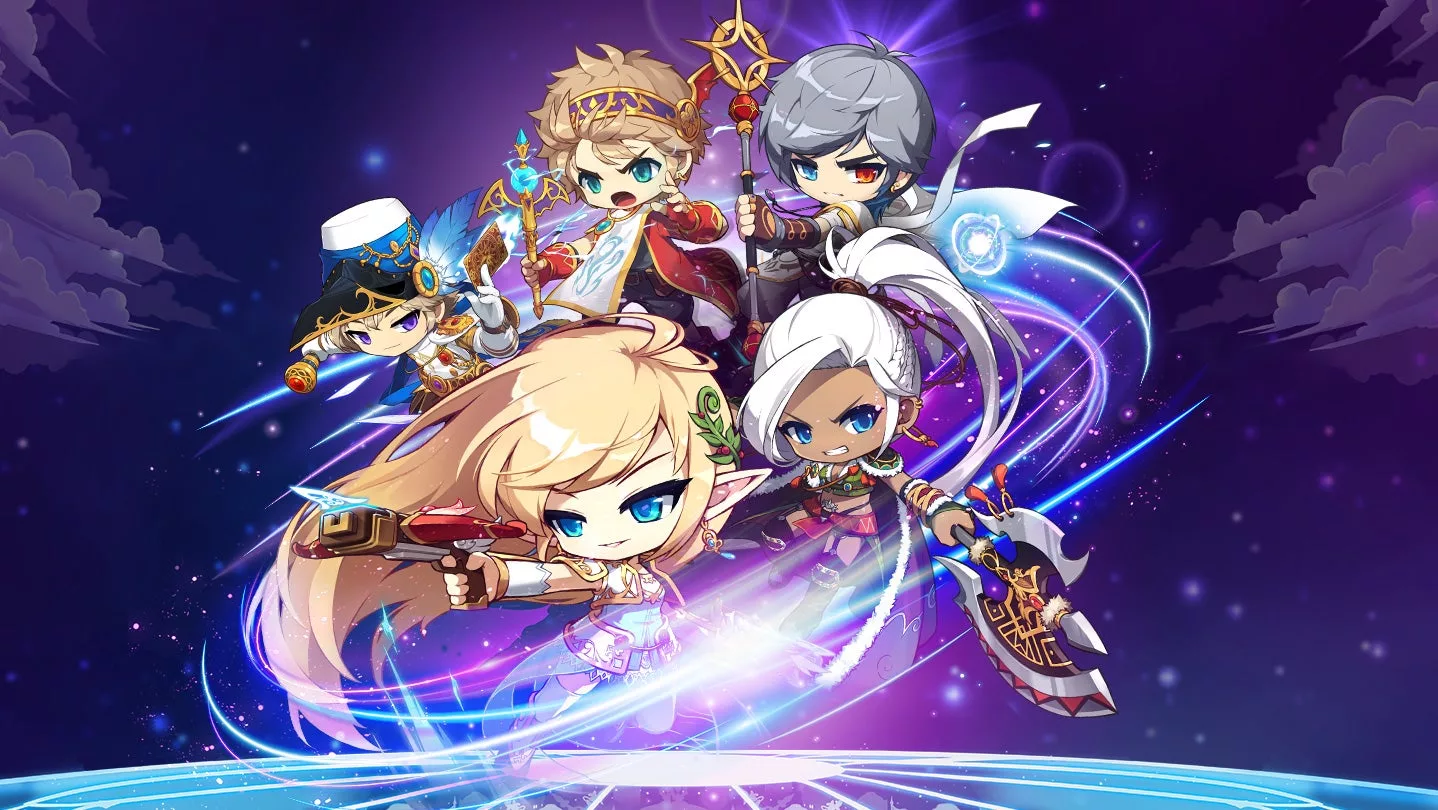
Nexon has reported strong financial results for the third quarter, exceeding the company's own outlook across several key metrics. The growth was primarily driven by its three largest franchises—MapleStory, Dungeon & Fighter, and FC—which collectively generated ¥108.5 billion ($678.4 million) in revenue, marking a 24% increase year-on-year.
The company's overall revenue reached ¥138.4 billion ($865.4 million), up 17% compared to the same period last year. Operating income rose by 11% to ¥41.8 billion ($261.3 million), while net income remained flat year-on-year at ¥38.1 billion ($238.2 million). Nexon attributed the boost in operating income to higher royalties from FC Online and MapleStory: Idle RPG, which successfully offset lower expenditures in marketing, HR, and cloud services.
Franchise Performance and Strategic Shifts
The MapleStory franchise was the standout performer, seeing a 72% year-over-year revenue surge to set a new quarterly record. This growth was a major contributor to Nexon's total revenue. While FC achieved double-digit growth, Dungeon & Fighter saw a 33% decline in revenue, which the company attributed to weaker-than-expected results from the September National Day updates in China.
Beyond its core franchises, Nexon highlighted the success of Embark Studios' Arc Raiders, which has sold over 17 million copies to date. The third-person shooter's Frozen Trail update reportedly helped reengage lapsed players and drive incremental sales. Additionally, Nexon announced Project Overkill, a new online RPG set in the Dungeon & Fighter universe, currently being developed by Neople with publishing handled by Tencent.
As part of an ongoing transformation initiative, Nexon has discontinued six projects in recent months, redeploying budgets and creative teams toward games with higher commercial viability. The company also addressed its approach to AI integration, stating that AI is being used to accelerate development, localization, and code review. Nexon emphasized that the goal is to enable developers to take more creative risks rather than simply reducing costs, maintaining that their games are still made by people.