
Malaysia seizes $12 million worth of advanced AI chips hidden inside 30 servers
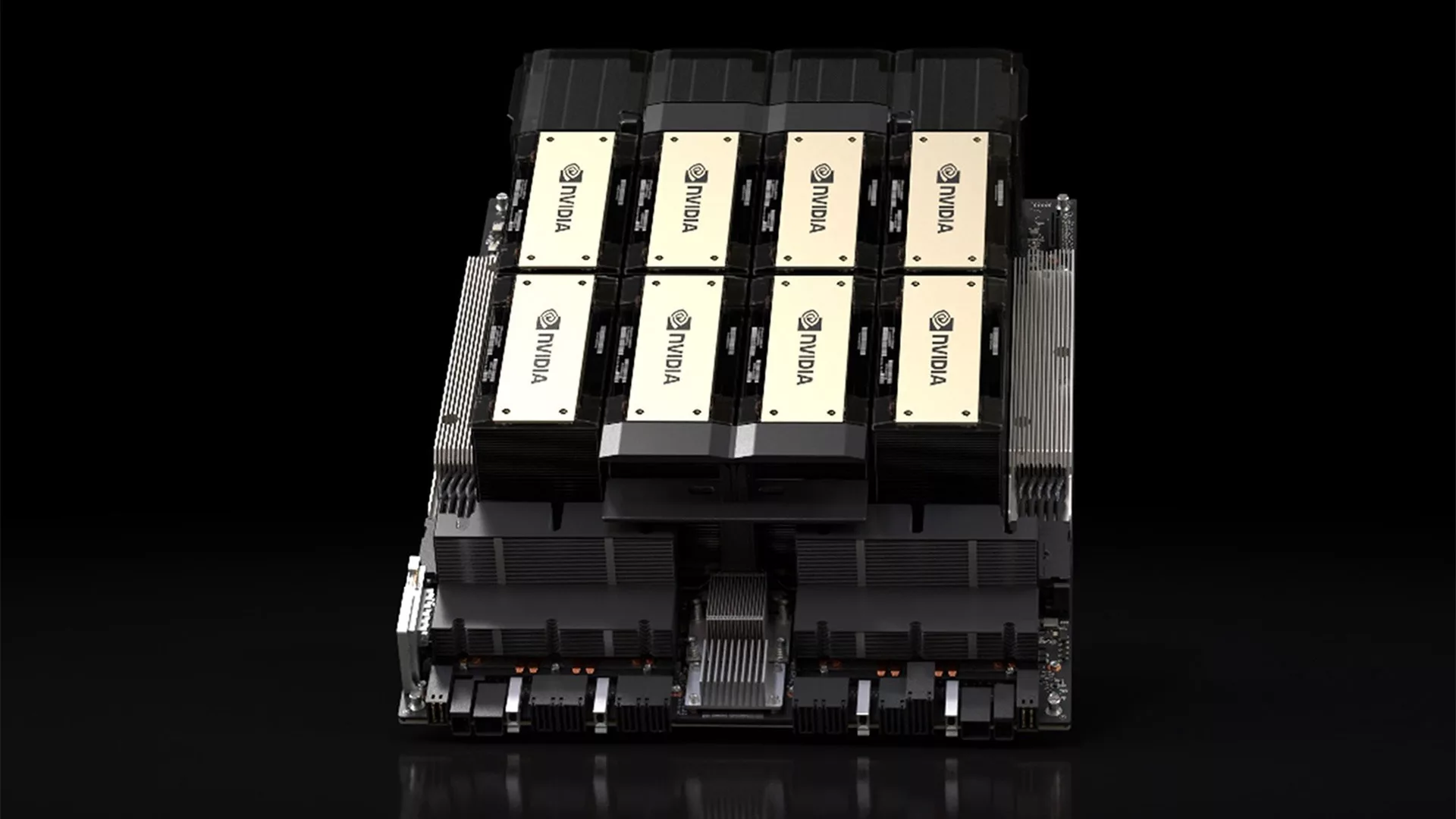
Malaysian authorities have seized over $12 million (49.5 million Malaysian ringgit) worth of advanced AI chips in a major crackdown on semiconductor smuggling. During the operation at the Kuala Lumpur International Airport's free trade zone, officials discovered 30 servers containing the high-value chips. The shipment was reportedly falsely declared as ordinary electronic goods to evade detection.
The Transit Hub Scheme
According to Aspalila Ag Tuah, the customs director at Kuala Lumpur International Airport, the suspected scheme utilized Malaysia as a transit point to bypass restrictions on the goods' onward movement. The shipment originated from one Asian country and was destined for another undisclosed Asian nation, with the servers acting as a cover for the restricted technology.
Authorities believe this operation is linked to the same syndicate responsible for a similar bust in June. During that incident, customs officers intercepted 72 server units containing advanced AI chips valued at approximately $13 million. To date, the network has been linked to at least five cases with total seizures exceeding $25 million. A Malaysian company involved in the shipment has been summoned to assist in the ongoing investigation.
Geopolitical Implications and Export Controls
While the specific chip models and the final recipient—whether a private entity or a military organization—remain unknown, the context points toward a significant regulatory challenge. The United States has implemented strict export controls on the movement of advanced NVIDIA and other U.S.-origin AI chips to China. Due to the massive demand for high-performance GPUs in China, smuggling networks have reportedly used Malaysia, a U.S. ally, as a logistics hub to reroute banned hardware.
In response to these activities and at the request of Washington, Malaysia has subsequently imposed its own export controls on the movement of advanced AI chips of U.S. origin. Similar measures have already been implemented by other Asian U.S. allies, including Singapore and Taiwan.
Гика
