Intel faces class action lawsuit over alleged investor deception regarding PC inventory and AI impact
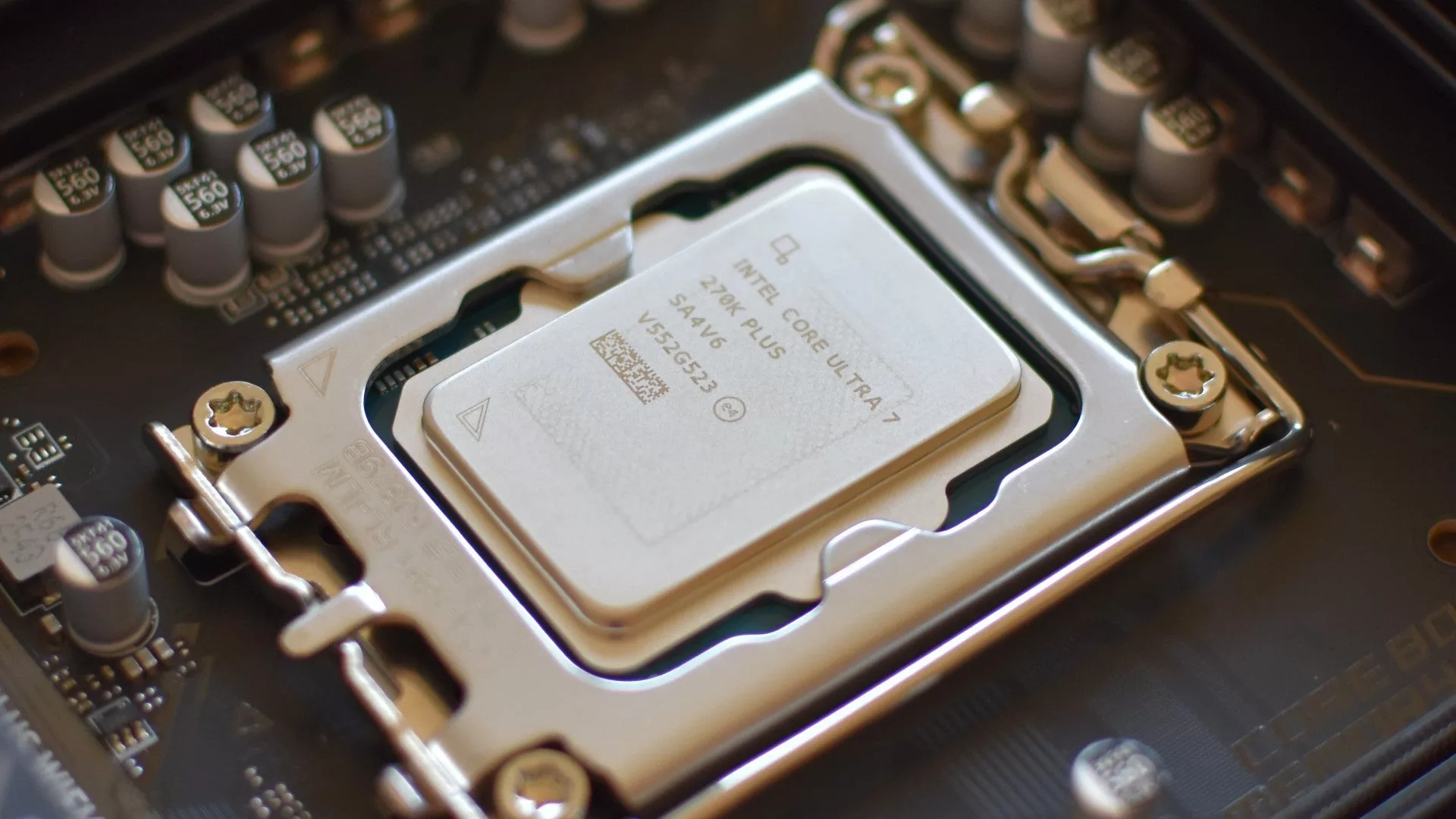
Intel is facing a class action lawsuit that alleges the tech giant misled investors regarding the true scale of the impact caused by the generative AI-driven component price hikes on PC sales. The legal action claims that while the company focused on its investments in AI datacenters, it failed to disclose a massive glut of unwanted PC inventory and the significant revenue shrinkage caused by a slowing consumer market.
The lawsuit, filed by the law firm Robbins LLP, represents anyone who purchased Intel stock between July 23 and October 29 of this year. The legal representatives argue that Intel neglected to inform shareholders that falling PC and component sales were having a "materially greater negative impact" on the third quarter 2026 Client Computing and Physical AI Group results than previously stated. According to the suit, this discrepancy represents hundreds of millions of dollars in revenue shrinkage compared to the previous quarter, a situation the lawyers claim is expected to worsen.
A central argument in the litigation is that Intel's gains from the AI boom—specifically through data center construction and related investments—were more than offset by the negative financial effects of the PC market slowdown and the buildup of excess inventory. The plaintiffs allege that the company remained silent about this imbalance, effectively masking the extent to which the traditional computing market's struggles were undermining the company's overall financial health.
Furthermore, the suit accuses Intel leadership of failing to disclose critical supply chain struggles. Specifically, the lawyers claim the company has struggled to procure an adequate supply of substrates—the essential materials used to create the base layer for chips and circuit boards. This shortage, the lawsuit argues, meant that Intel could not have ramped up production to meet surging data center CPU demand even if they had chosen to divert resources away from the slowing PC segment.
This legal challenge follows a period of significant volatility for the company. Following recent quarterly results that showed a substantial revenue fall, Intel's stock price experienced a sharp decline, dropping from $92.07 per share on October 29 to $65.76 the following day. The lawsuit characterizes this as the largest single-day price decline for Intel common stock in over 50 years.
The company's recent financial struggles have been well-documented, including a multi-billion dollar quarterly loss in 2024 that preceded the resignation of then-CEO Pat Gelsinger. While Intel has recently reportedly made some gains in the desktop CPU market against AMD, it continues to face significant competition from Nvidia in the graphics card sector.
Investors interested in joining the lawsuit as lead plaintiffs—those appointed by the court to represent the interests of the class—have until January 12, 2027, to sign up.