
How GOG.com Fights to Keep Classic Games Alive for Future Generations
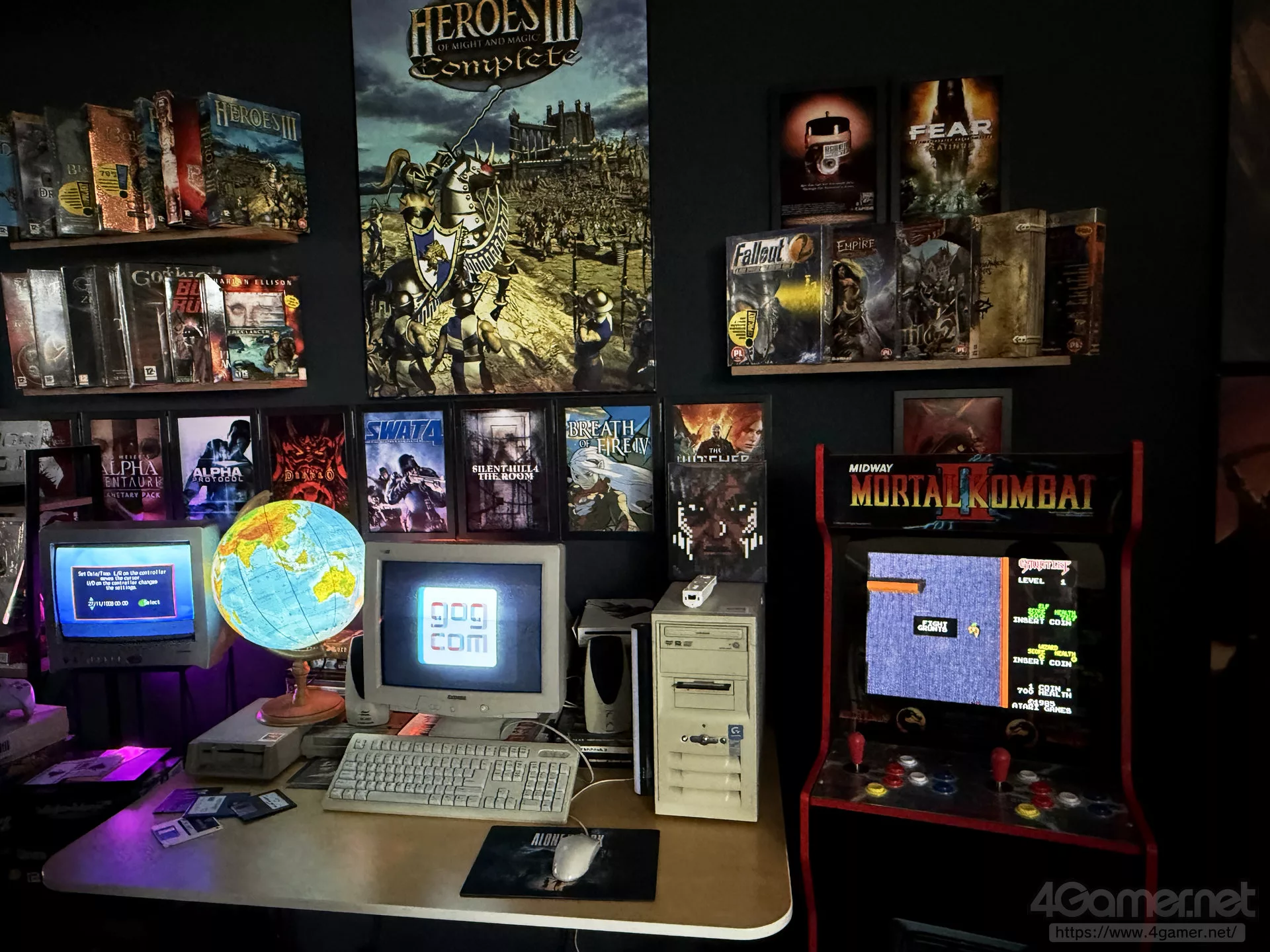
Games are meant to be enjoyed decades after their release, but hardware evolution and complex licensing often turn classics into unplayable relics. Based on a recent industry visit to Warsaw, we explore how GOG.com is tackling these technical and legal hurdles to ensure the history of gaming survives for the next generation.
The mission is clear: "Fight To Make Games Live Forever." This isn't just a slogan for GOG.com; it is the core philosophy driving the Warsaw-based platform. Beyond simply selling old titles, GOG focuses on the difficult task of maintaining compatibility and navigating the legal complexities required to keep gaming history accessible in a constantly changing digital landscape.
From 'Good Old Games' to a Global Platform
The roots of GOG date back to 2008, conceived by Michał Kiciński and Marcin Iwiński, co-founders of CD PROJEKT. Originally operating under the name "Good Old Games," the service was built on the idea of making legendary titles available for purchase again. As the CD PROJEKT group grew through the success of franchises like The Witcher, GOG expanded its scope. Today, it has evolved from a niche service for classics into a major PC platform hosting everything from AAA titles to indie gems. Notably, as of December 31, 2025, Michał Kiciński acquired all shares of GOG, making it an independent entity, though it maintains a collaborative relationship with CD PROJEKT to uphold its original mission.
A defining characteristic of GOG is its commitment to DRM-free gaming. Unlike many modern storefronts, GOG allows users to own their games without restrictive digital rights management. While the GOG GALAXY client is available, it is not mandatory; players can simply download installers and keep their games locally, ensuring they aren't tied to a constant internet connection or a specific platform's survival.
The GOG Preservation Program
Simply removing DRM isn't enough to ensure a game's longevity. As operating systems and hardware evolve, older software often breaks. To combat this, GOG launched the "GOG Preservation Program" in November 2024. This initiative focuses on technical restoration: improving resolutions, adding gamepad support, and fixing bugs to ensure classic titles run smoothly on modern Windows environments without altering the original intent of the developers.
This isn't a one-time fix. Titles included in the program receive a special badge, signifying that GOG will continue to support them as long as the platform exists. As of October 2026, the program has already covered over 300 titles, providing a reliable way for players to rediscover old favorites and for publishers to bring their back catalogs back to market.
The Power of the 'Dreamlist'
Technical fixes are only half the battle; the other half is bringing games back to the market. This is where the "GOG Dreamlist" comes in. This feature allows players to vote for games they want to see available on the platform. It serves as a vital tool for visualizing demand, helping GOG approach rights holders and publishers with data-driven evidence that there is a market for their older titles.
The impact of this community-driven approach is already visible. In April 2025, Capcom's RPG Breath of Fire IV arrived on GOG, a move supported by the votes of approximately 22,000 fans via the Dreamlist. GOG has also collaborated with Capcom to bring original PC versions of Resident Evil 1, 2, and 3 (Last Escape), as well as the Dino Crisis series, to modern systems with updated compatibility and localization.
GOG's approach to preservation extends far beyond simply repairing broken game code. In September 2026, the platform announced an initiative to 3D-scan the original physical packaging of certain classic games. This effort aims to digitally archive not just the software itself, but the visual design of the boxes and physical media, ensuring the complete aesthetic experience of the era is preserved for the future.
This commitment to digital heritage has gained recognition outside the gaming industry. At the Digital Preservation Awards 2026, held in Warsaw on October 15, the GOG Preservation Program received an award for its efforts in the long-term preservation of digital information. The initiative was honored for treating games as cultural assets and maintaining them in a state that allows for continued accessibility.
Preserving Experience, Not Just Data
There is a fundamental distinction between archiving games as historical documents and preserving them as playable media. While recording video footage, soundtracks, and concept art is vital, the true value of the medium lies in the ability of players to interact with the software—to experiment, fail, and experience the mechanics firsthand. Understanding how a specific game design functioned or how it influenced subsequent titles is best achieved through direct play.
GOG's work focuses on preserving that interactive experience itself. As new titles dominate the headlines, the effort to keep legacy titles playable remains significant. Since its inception in 2008 as 'Good Old Games,' GOG has maintained this core philosophy for 18 years: ensuring that games are not merely locked away as relics of the past, but remain living works that can be played by future generations.
Флешка
