

Architecture of Madness: How Art and Tech Shaped Control Resonant
Released last week, Control Resonant is staking its claim as one of 2026’s heavy hitters on PlayStation 5. With its gravity-defying set pieces and a decidedly different take on Manhattan, the game demands attention. In an interview with Remedy’s Lead Level Designer Anne-Marie Grönroos, Art Director Elmeri Raitanen, and Lead Gameplay Designer Sergey Mohov, we explored the inspiration behind the striking art direction and technical design of this sequel.
Humanity Amidst Superpowers
While many superhero games focus on the ultimate power fantasy, Remedy takes a more grounded approach. Although Dylan possesses extraordinary abilities, his movements are intentionally unpolished. Elmeri Raitanen explains that there is a deliberate clumsiness to his actions, emphasizing that every power comes with a cost. Sergey Mohov adds that animations reflect the physical effort required; using the Elevate ability or shifting gravity is disorienting and taxing. This design choice fosters empathy, portraying Dylan not as an infallible god, but as a human being struggling to navigate a world of paranormal chaos.
'Strange York' and Environmental Dynamics
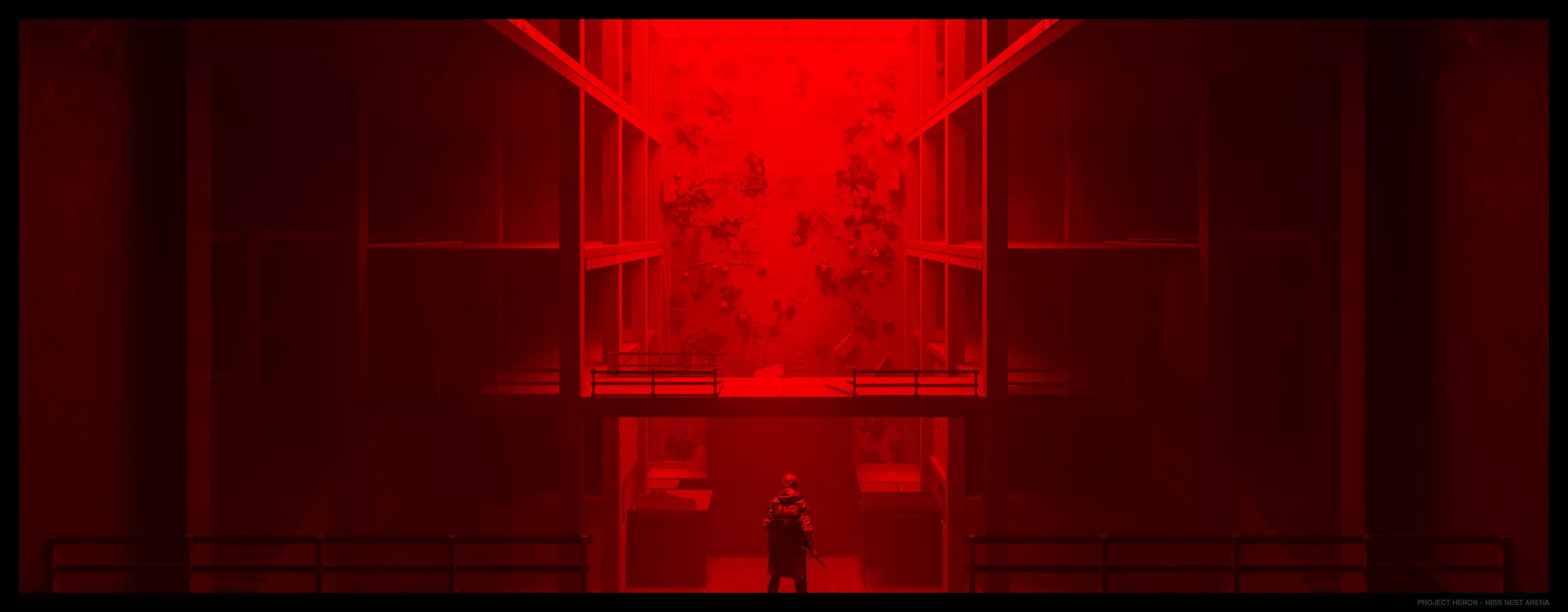
The scale of Control Resonant necessitates a shift in environmental design. Moving away from the confined Brutalist spaces of the first game, the sequel introduces a more expansive, yet equally reactive, world. Elmeri Raitanen notes that dynamic destruction remains a core pillar: combat impacts the world, kicking up leaves, spraying water from hydrants, and scattering litter.
The setting, dubbed 'Strange York,' is not a literal recreation of New York but an iconic, cinematic, retro-styled version of it. Anne-Marie Grönroos describes the use of mundane areas, such as The Central, as 'palate cleansers.' By establishing a baseline of normalcy in the middle of the game, the developers ensure that the paranormal anomalies feel truly impactful and surprising. This attention to detail extends to anachronistic elements, like the inclusion of phone booths that were removed from the real New York around 2022, contributing to the game's unique aesthetic.
The Psychedelia of The Gap and Gravity Shifts
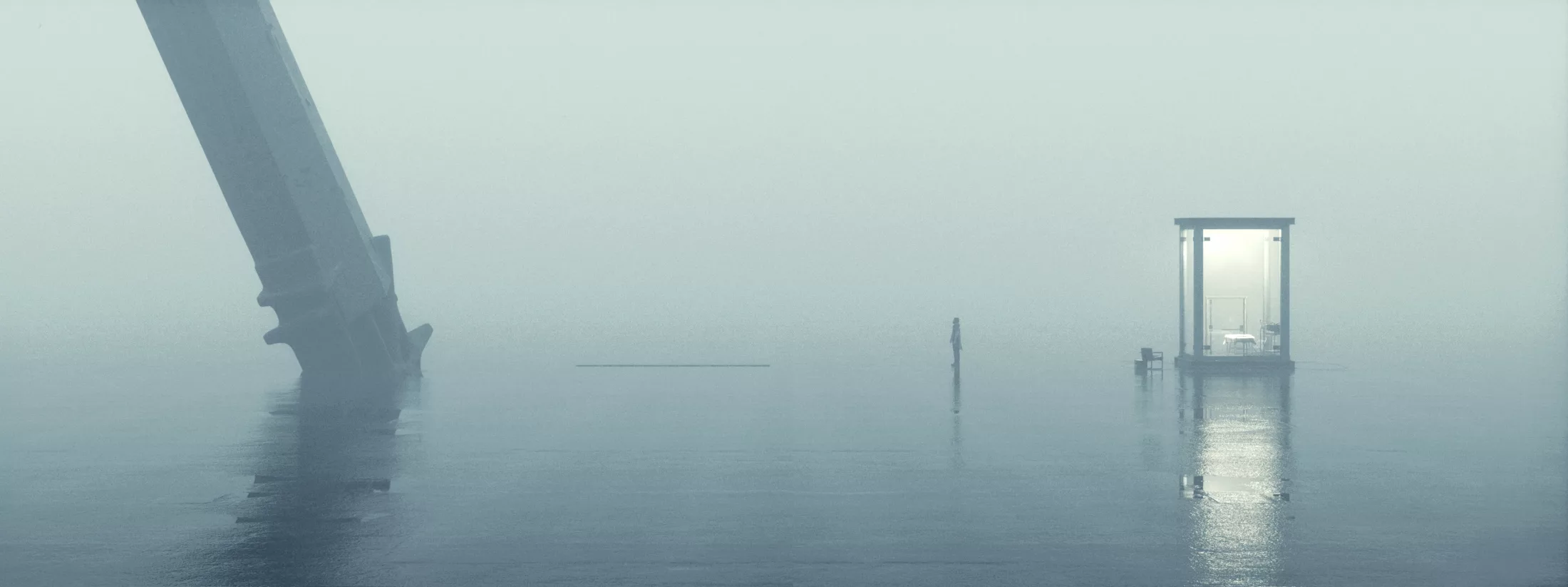
One of the most striking departures in the game is The Gap, a stark, grey representation of Dylan's psyche. Sergey Mohov draws parallels to films like The Truman Show, where the world ends at a literal door in the sky. Visually, The Gap reflects the raw, concrete reality of Dylan's past captivity, creating a hauntingly familiar landscape within the surrealism.
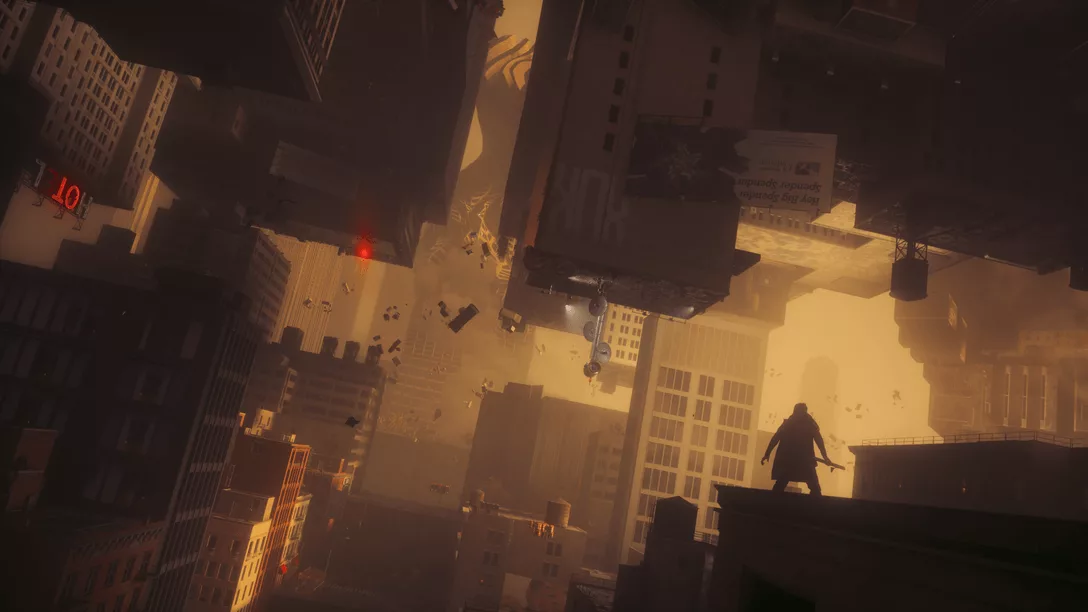
The Sinkhole mission showcases the game's technical ambition, featuring combat that spans floors, walls, and ceilings. Anne-Marie Grönroos reveals that the design philosophy—where any walkable-looking surface becomes a walkable surface—was a pivotal decision that transformed traversal and combat into complex, three-dimensional challenges.
Boss Alchemy and PS5 Capabilities
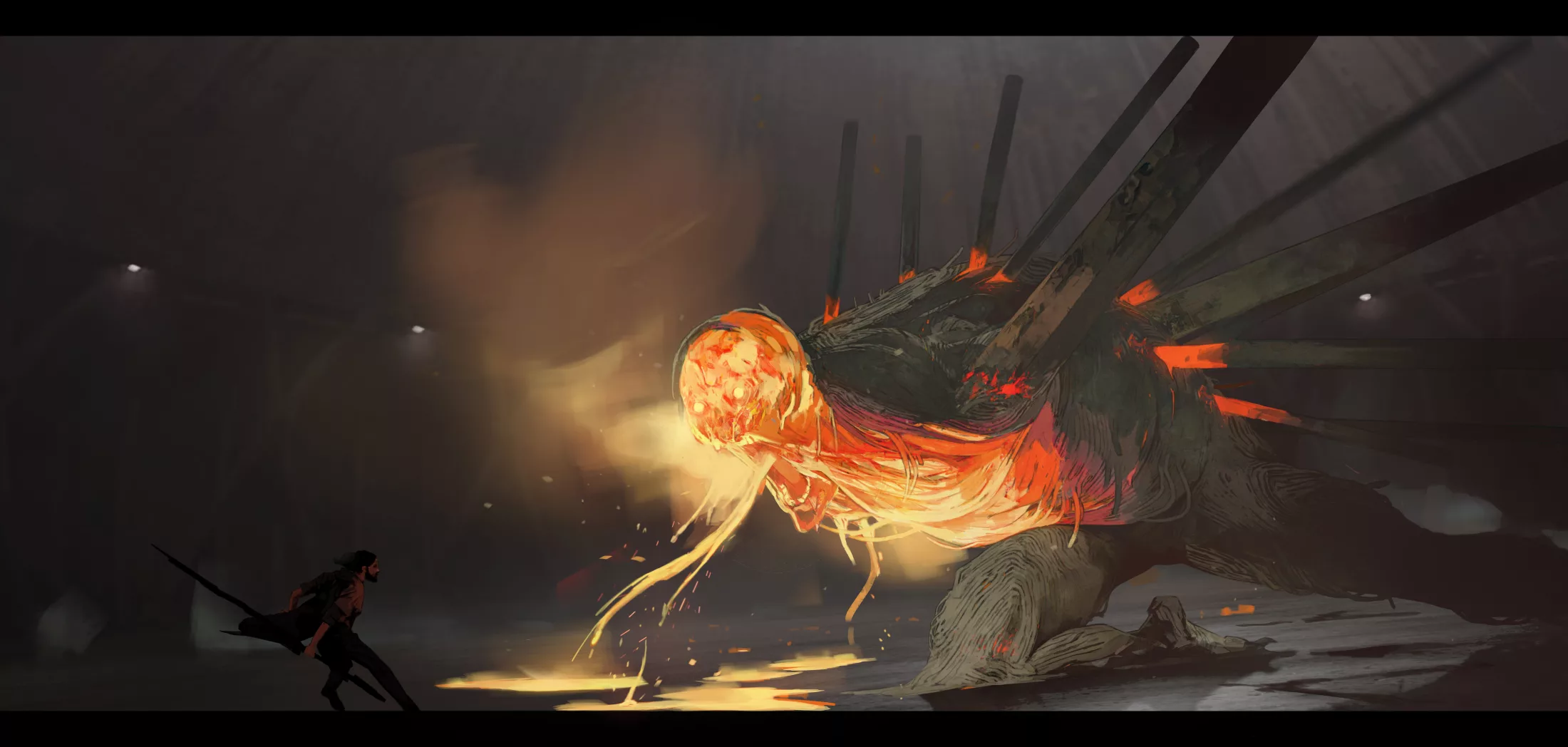
The creation of bosses in Control Resonant is described as a complex 'alchemy' of talent. Sergey Mohov explains that the team crowdsourced ideas from the entire staff, selecting concepts that best served specific gameplay experiences. These Resonant bosses often draw from medieval iconography and church architecture to evoke a sense of the divine or majestic. A prime example is The Deserter, which is housed in a specially designed, transformed factory environment.
The technical execution is heavily tied to the PlayStation 5 hardware. Remedy utilized the console's power to increase draw distances, physics objects, and enemy density. Furthermore, the DualSense controller is central to the experience; adaptive triggers provide tactile resistance for abilities, and the built-in speaker delivers radio communications, allowing players to stay immersed in the combat without relying solely on the UI.
Зануда
