Grand Theft Auto 6 review: An irreducible attempt at being everything
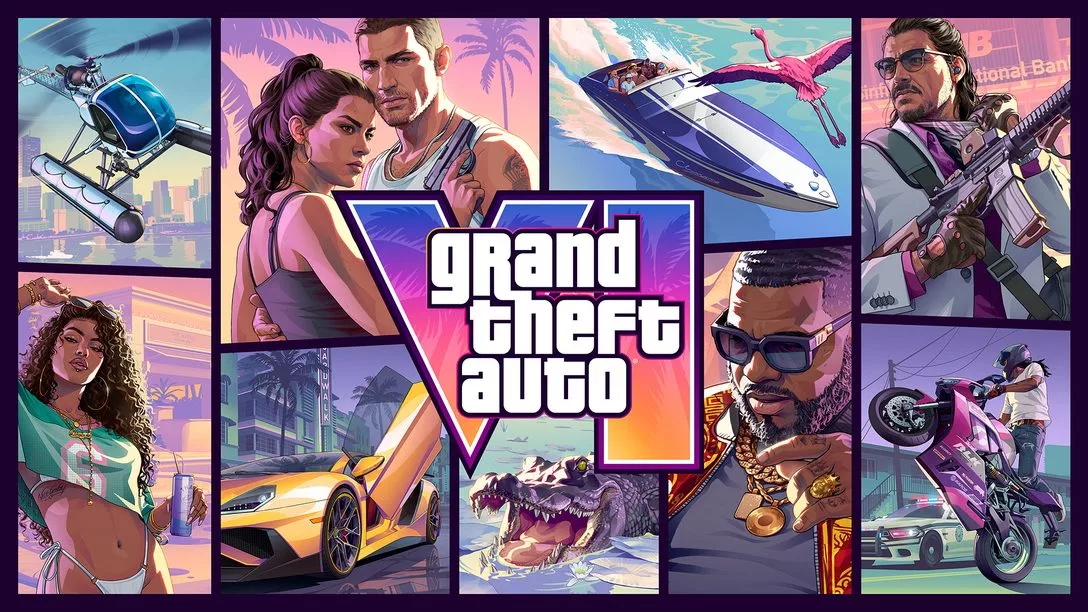
Grand Theft Auto 6 is a game that refuses to be pinned down. It is a project of staggering scale and contradictory impulses—vast yet minutely detailed, violent yet tender, a grand adventure and a suffocatingly intense character study. While many will attempt to reduce it to a single theme, the truth is that it is designed to be irreducible.
The concept of the 'third place'—those social spaces between work and home—is a recurring theme in modern discourse, but in GTA 6, it finds a literal, mechanical manifestation: the car. In this game, the vehicle is more than just a way to get from point A to point B; it is an essential partner. It is where missions are triggered through phone calls, where you share intimate moments with your partner, where you hide weapons and stolen goods, and where you experience the most exhilarating chase sequences ever constructed in a video game. For protagonists Jason and Lucia, the car is their true home, a place of self-actualization in a world that is constantly in flux.
However, reducing the experience to just the car is a mistake. To look only through that lens is to miss the romance, the sensuality, and the intricate relationship between the characters and the natural world. GTA 6 is a game of perpetual motion, where the protagonists are constantly trying to outrun a world that feels one step ahead of them. It is a game that embraces its own contradictions: it is both ridiculous and mature, deep and shallow, novel and surprisingly familiar. It presents you with a choice in how you engage with its complexity—whether you want to focus on the intense story or simply ignore relationship notifications in the menu to focus on the chaos, the game allows you to dictate your own experience.
Jason & Lucia
The story centers on Jason and Lucia, a couple on the run after a seemingly simple fetch quest goes wrong. While Rockstar has kept the most critical plot points—the beginning and the end—strictly under wraps, one thing is undeniably clear: this is a story about a relationship. In a series often defined by mindless rampages and high-octane chaos, GTA 6 is, in many ways, a game about love. It is perhaps the first blockbuster video game to be so explicitly a love story, creating a unique tension for the player. You might arrive prepared to cause mayhem, but the game presents you with the choice to instead pick up flowers, buy groceries, or prepare a home for Lucia.
This shift toward the 'slice-of-life' is a significant evolution for the franchise. Moving beyond the mundane activities of previous entries, Rockstar has leaned fully into the domestic and the everyday. These moments—waiting in a hazy, island hometown, or performing small DIY tasks—provide much-needed irony, humor, and character. They offer a chance to catch your breath amidst the escalating bombast that defines the rest of the experience, making the high-stakes action feel even more impactful when it inevitably arrives.
The core of the experience lies in the profound bond between Jason and Lucia. Their relationship is not just a narrative thread but a complex system of interactions that feels remarkably authentic. It is built through minutiae—small gestures like holding hands, opening car doors, or sending check-in texts. These moments range from quiet scenes of sitting on a sofa together to the intense, adrenaline-fueled connection forged during violent, climactic missions. The game subtly incentivizes this through branching narrative cues, making the act of bonding feel like a natural part of the roleplay rather than a chore.
The character performances are central to this immersion. Manni L. Perez delivers an astounding, charismatic, and authentic performance as Lucia, showcasing a vast emotional spectrum from fierce strength to vulnerability. Jason serves as the essential foil—prosaic and often exasperated, yet providing a surprisingly non-toxic and attentive counterpoint to Lucia's energy. Together, they navigate a world that feels both ludicrous and deeply personal, wrestling with themes of desperation, poverty, and their precarious position within the microcosm of Leonida.
Beyond the protagonists, the world is populated by thousands of individually written NPCs that add layers of social realism, from the casual racism encountered on the streets to the way characters are objectified or sexualized by others. This attention to detail extends to the media within the game, which features fully realized TV shows—including Weasel News—and even four playable in-game video games, ranging from an arthouse walking simulator to a twin-stick extraction shooter.
The shape of Grand Theft Auto 6's world
The map of Leonida is absolutely massive, matching the scale suggested by previous leaks; it is several times the size of GTA 5. The world feels dense and varied, from the dense forests of the northern national parks to sprawling archipelagos. While the game demands more from the player than previous entries, it avoids the intentional clunkiness found in Red Dead Redemption 2. Navigation is streamlined, ensuring that players never feel truly stuck or overwhelmed by the sheer scale of the environment.
The sheer volume of content is staggering. There is a sense of melancholy in realizing that thousands of hours of development work have gone into details that a player might never even encounter in a single playthrough.
The world of Leonida is a masterclass in atmospheric immersion, driven by a level of detail that borders on the obsessive. Whether it is the way Jason's shirt creases as he walks or the way sweat clings to skin and glass bottles, the visual fidelity is staggering. Even the smallest imperfections—like a patch of mismatched paint in a prison hallway, likely applied to cover up graffiti—serve to ground the simulation in a sense of lived-in reality. This isn't just superficial polish; it is a fundamental part of the world's DNA. From the decadent piles of rubbish in back alleys to the cluttered desks of offices filled with mundane bric-a-brac, Rockstar has populated the map with things that exist simply because they would exist in the real world, even if they serve no direct gameplay purpose.
This sheer volume of content creates a unique tension. While the scale is immense, the true impact lies in the minuscule details that make the world feel infinite. It creates a psychological pull to linger and explore, even in a game designed for high-speed driving. However, this level of craftsmanship comes with a heavy realization: the incomprehensible amount of human labor required to create these fleeting moments—much of which is currently a point of contention regarding labor practices at Rockstar—means that much of this detail will likely be missed by players passing through at high speeds.
Tension points and mechanical shifts
Mechanically, GTA 6 employs a 'stratified' approach to its systems. While the world is largely open from the start, much like GTA 5, the game's full depth is revealed through a gradual rollout of mechanics and rewards across the story chapters involving Jason and Lucia. There is a sense of progression required before the 'true' experience of the game fully unfolds, layering complexity onto the player as they move through the prologue and into the main chapters.
The physical impact of the world has also seen a massive leap in fidelity. Gunfire can eviscerate tires, and high-speed collisions involving 4x4s result in sensational, heavy-hitting crashes, suggesting significant improvements to the underlying physics engine.
The core drive in GTA 6 is the pursuit of money. It is the purest expression of life as a thief that Rockstar has attempted to create, serving as the spine of Jason and Lucia's story. From the prologue through the first lengthy chapter to the finale, money acts as the ultimate gatekeeper. While you can roam Leonida relatively freely in the early game, engaging in meaningful activities and progressing the story requires a bank account—something the off-the-grid Jason has initially opted against. This creates a constant cycle of scraping together cash through increasingly complex means.
The progression of criminal activities is tiered and rewarding. It starts with minor drug deals via a bi-plane or small-time robberies of liquor stores. As you advance, you might steal low-tier cars to flip to a fence or bust gang hideouts. These criminal operations, marked in yellow on the map once discovered, function similarly to Ubisoft-style outposts, offering dense, combat-focused scenarios that provide a refreshing break from other forms of theft.
The scope of theft expands significantly as the game progresses. You move from stick-ups at small restaurants and street robberies to targeting pawn shops, jewelry stores, and payday loan businesses. The scale escalates to ripping ATMs out of walls with a tow truck or hijacking supercars. Eventually, the gameplay culminates in the ability to rob full-fledged banks at will, weaving together various systems that evolve the concepts first introduced in Red Dead Redemption 2.
The Economy of Crime: Cash, Accounts, and Loot
Money operates within a tiered system that demands constant decision-making. At the lowest level is physical cash, which has a $20,000 limit per character and can be lost entirely if you are wasted or busted. Once you unlock a 'BuckMe' account (a PayPal parody), you can deposit cash into a shared current account at ATMs. While safer, this account is still subject to charges upon arrest or death. The highest tier is the shared savings account between Jason and Lucia; it is the safest place for your funds, but once money is deposited there, it becomes irretrievable.
The act of collecting money has become a manual, physical process. You must collect cash from bodies, counters, or safes. Some containers, like ripped-out ATMs, require you to shoot them first to access the contents. For non-cash loot like jewelry, marked bills, or drugs, you must use a stash bag. These bags have limited capacity and must be sold to fences—who offer varying rates—to realize the profit. You can drop these bags during high-speed chases or hand them off to your partner, though storing them in a vehicle's trunk adds a slight delay when accessing them mid-chase.
Ownership mechanics apply to both vehicles and weapons. Stolen cars are only temporary; they are safe when parked but at risk in the world unless you pay to register them with a fence or a Pay 'n' Spray. In contrast, owned cars are yours forever, even if destroyed, provided you have the necessary garage space. A similar logic applies to weapons: found weapons are essentially borrowed and lost upon death or arrest, whereas owned or custom weapons remain yours permanently.
Surveillance, Heat, and the Criminal Profile
The police and 'wanted' system has become significantly more realistic. Law enforcement can identify you based on facial appearance, clothing, your partner's presence, your weaponry, or your vehicle. The system also accounts for surveillance: crimes can be caught on local CCTV (which can be destroyed) or cloud-based footage (which cannot). The intensity of the response is dictated by 'heat' and two different rings of attention on the map, indicating whether police have a description of you or are simply patrolling the area of the crime.
Finally, the criminal profile system introduces a tiered honor system ranging from 'Professional' to 'Irredeemable.' While the latter is a permanent status, the 'Professional' tier can be reached by prioritizing non-lethal incapacitations, subtle objective completion, or clean getaways. While the system reflects the role-play elements of the world, it feels less like a struggle to manage and more like a way to illustrate the consequences of your actions in Leonida.
The gameplay loop in Grand Theft Auto 6 feels more gamified than its predecessor, particularly during robberies. Whether you opt for a loud or stealthy approach, the mechanics demand tactical thinking: deciding how to split loot, managing getaway vehicles to split police attention, or even packing changes of clothes to evade identification. These systems are seamlessly integrated into the main story of Jason and Lucia, ensuring the game never loses the signature GTA edge. Despite the narrative weight, the series' trademark low-brow humor, parodies, and bombastic action remain as vibrant—if not more so—than ever.
Action sequences, particularly car chases, have been significantly enhanced. The physics engine provides a cinematic, organic feel to crashes, with vehicles swerving into traffic, mounting highway partitions, or catapulting off bridges. A new focus system—a buffable meter allowing for 'bullet time'—helps players target specific weak points like engines or tires, rewarding precision with spectacular results.
The narrative structure follows a traditional GTA pattern of marked locations and character-driven side missions, but it evolves from a carefree criminal life into a high-stakes melodrama. The story takes players through various Floridian subcultures—from the Everglades to urban drug kingpins—and features multiple high-intensity heists that serve as the game's emotional and chaotic peaks.
A Mirror to Modernity
Rockstar’s satire remains as ruthless as ever, targeting everything from crypto bros to wellness influencers. However, there is a newfound maturity in how the game reflects the world. Leonida acts as a 'heightened' version of Florida, serving as a mirror that concentrates the extremes of modern society and reflects them back at the player through absurd puns and social commentary.
Emergent Chaos and the Illusion of Choice
One of the most significant additions is the 'emergent events' system. These are unscripted, missable encounters that occur organically in the open world. You might witness a livestreamer falling from a highway overpass, a botched robbery involving exploding dye, or a bizarre encounter with a member of the Hollow Earth Society. These moments act as invitations to engage with the world's inherent weirdness, leading to unique, often absurd, quest chains.
This sense of spontaneity feeds into a complex system of choice. While it is often difficult to discern exactly how a decision might diverge the story or impact your criminal profile, the game forces you to wrestle with these choices in real-time. Even when the long-term consequences remain unknown, the outcomes feel resonant and impactful, making every decision feel significant within the sandbox.
Beyond the core missions, GTA 6 reveals itself as a massive, thematic playground where the activities feel like a cohesive reflection of the world rather than a directionless collection of content. The sheer variety of things to do is staggering: you can dive for treasure at dozens of underwater sites, engage in bird and animal watching, fish, or hunt. The customization depth is extreme, extending from weapons and cars—with street racing side missions offering elaborate examples of custom wraps—to the characters themselves. Even the fitness system is remarkably detailed; body composition is dictated by cardio, strength training, diet, and frequency of exercise, with the world reacting to your physical appearance through NPC comments.
The world is teeming with life and activities that encourage players to simply 'be.' You can participate in various racing disciplines—from racetracks and mud tracks to street and off-road courses—using cars, bikes, and even drones. There is a vast array of collectibles, including trading cards, books, magazines, meteorites, and golden doubloons, alongside 'key valuables' like unique guns and jewelry found in gang hideouts. The social and leisure infrastructure is equally dense, featuring clubs, bars, diners, and even highly realistic pool games. The radio experience has been significantly expanded, roughly doubling the number of stations seen in previous reveals and including full true crime dramas and podcasts. Whether you are riding jet skis, posing in supercars, or attending live musical performances—featuring impressively detailed guitar solos—the game invites a sense of presence and gratitude for the moment.
Accessibility and Control
Rockstar has implemented an extensive suite of accessibility options. Control schemes include default, classic, and left-handed layouts with customizable inputs. Players can fine-tune controller sensitivity, adaptive trigger settings (on PS5), and various aim assistance levels, including a toggle for lock-on aiming. The game offers five levels of 'tap assists' for QTEs, 11 settings for hold delays to prevent accidental presses, and simplified minigame toggles. Visual accessibility is also a priority, featuring high-contrast shaders for interactable elements, colorblind modes, adjustable text size and color, and various camera and audio customization options, including tinnitus reduction and screen narration.
Technical Performance and Gameplay Nuances
Technically, the game runs at 30fps, even on PS5 Pro, though the frame pacing is exceptionally smooth, making it feel more fluid than typical 30fps titles. However, some issues persist: I experienced one hard crash and one instance of an NPC getting stuck in a vehicle. The controls are a marked improvement over Red Dead Redemption 2, with combat shifting toward a proper third-person cover shooter with better dashing and snapping, though they can still feel occasionally unstable during precise movements. One notable change is the removal of mission replayability, a decision that may prove controversial despite its logic within the game's flow. Additionally, the 15 available save slots might feel restrictive for players wanting to revisit specific, high-intensity moments.
Narratively, the game experiences some tonal shifts, moving from intimate character moments between Jason and Lucia to absurd, high-comedy scenarios. While the middle of the story offers incredible mission variety, there is a slight narrative sag during certain side content, such as missions involving Dre-Quan's record label, which can feel somewhat disconnected from the main plot. Ultimately, the game succeeds in creating a sense of sublime isolation and a world so authentic that it invites players to truly submerge themselves in its atmosphere.
Every modern Grand Theft Auto is a product of its era. While GTA IV was defined by the immigrant experience and the post-9/11 landscape, and GTA 5 reflected the post-financial crisis crisis of masculinity and early 2010s complacency, GTA 6 functions as a direct reflection of our current reality. It is a game that captures the essence of the world as it exists today.
At its core, the narrative of Jason and Lucia revolves around the concept of money and the relentless pursuit of the American Dream. The story follows their attempts at bootstrapping—constantly picking themselves up from zero and clawing their way out of a social vortex. It depicts a world that promises upward mobility to the penthouse and the helipad, while simultaneously pushing them back down. Every time they achieve a big score or a narrow escape, the goalposts move, and the enemy reorganizes itself.
This cycle makes GTA 6 a depiction of capitalism at its most extreme. It is a game set in a place characterized by the most intense wealth disparity imaginable, where hypercars scream past the homeless. This thematic focus is mirrored by the production itself: it represents an extraordinary amount of wealth directed at a single entertainment product, likely destined to achieve unprecedented sales figures.
Ultimately, the experience is about fragile, desperate humans playing a rigged game. Jason and Lucia walk a narrow line between exhausted desperation and the empowering wish-fulfillment of crime. The central question of their journey isn't just whether they are doomed, but whether that doom matters when the true beauty of the experience lies in the struggle itself.