
GPU Market in 2026: Why There Are No New Cards, What's Happening to Prices, and When to Expect RTX 60
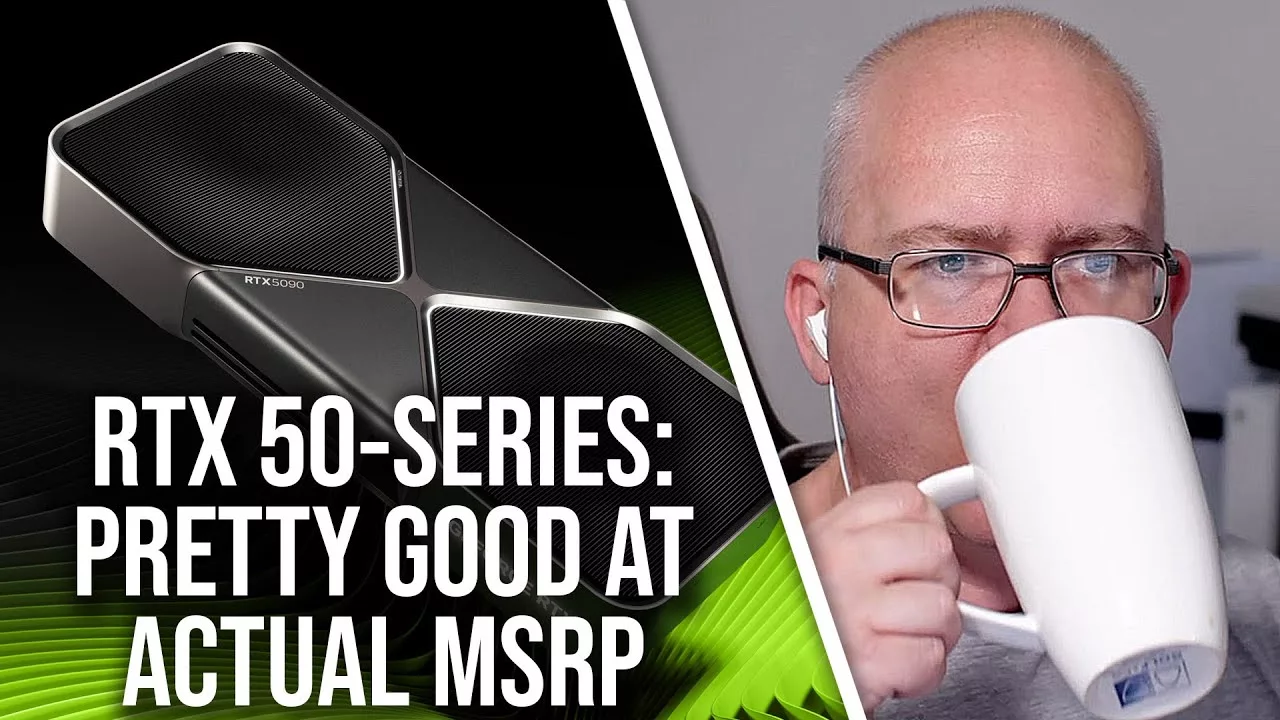
Why No New Cards
2026 is an anomaly for the consumer GPU market. According to The Information, Nvidia has no plans for new gaming RTX cards this year. The RTX 60 series has been pushed to 2027-2028. The reason: data center and AI GPUs generate incomparably more revenue — resources have shifted there.
AMD: Only the RX 9050?
AMD is also quiet on enthusiast hardware: reportedly, the only new desktop GPU in 2026 will be the Radeon RX 9050 with 8GB VRAM — a budget segment entry, not a high-end contender. Enthusiast gamers remain without upgrades.
The RTX 3060 Comeback
Leaks suggest Nvidia is considering re-releasing the RTX 3060 as early as June 2026 to fill the budget gap without developing new silicon. For gamers still on GTX 10/16-series hardware, this is a real — if modest — option.
Prices: DRAM Shortage and Tariffs
GPU prices aren't falling for two reasons: DRAM shortages expected to persist through 2027-2028, and new trade tariffs that increase manufacturing costs. Both Nvidia and AMD have signaled retail price increases.
Should You Buy Now?
If your current card handles your workload — wait. No meaningful new hardware is coming in 2026. If your GPU is critically outdated, RTX 4070 Super or RX 7900 GRE on the secondary market currently offer the best price-to-performance. Grab a discount when available.
Аналитика MBG
