

Gigabyte Refuses Warranty Replacement for RTX 4090 with Reported 1.5GB VRAM Loss
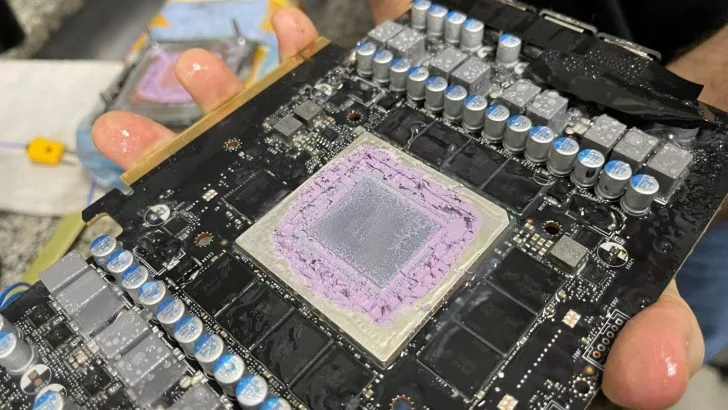
Gigabyte has officially denied warranty replacement claims for a batch of NVIDIA GeForce RTX 4090 graphics cards exhibiting symptoms of memory degradation, specifically reporting a reduction in available VRAM capacity by approximately 1.5 GB. The company maintains that the affected units are functioning within normal parameters and can boot successfully, despite the significant discrepancy between the expected and actual memory availability.
The controversy centers on reports from users who purchased high-end NVIDIA GeForce RTX 4090 cards from Gigabyte and encountered immediate issues upon installation. The primary symptom reported is a drastic drop in usable video memory, with affected cards showing only about 16.5 GB of VRAM instead of the standard 24 GB. This reduction effectively degrades the card's performance to levels closer to an RTX 3090 or even lower, depending on the workload, rendering the device unsuitable for its intended high-fidelity tasks.
Gigabyte's official stance is that these units are not defective in a way that warrants replacement. The company asserts that the hardware boots correctly and operates without crashing under standard conditions. According to Gigabyte, the issue stems from a specific configuration or firmware behavior rather than physical component failure. They argue that as long as the system initializes and runs applications, the product is meeting its functional requirements, regardless of the reported memory discrepancy.
Technical analysis suggests that the 1.5 GB loss is not necessarily a physical removal of silicon but rather a result of how the GPU controller reports or manages memory resources in this specific instance. This could be related to how the card handles reserved memory for internal buffers, error correction codes (ECC), or a firmware bug that misreports the total capacity to the operating system and drivers. In some cases, such discrepancies can also indicate that a portion of the memory is being masked due to stability concerns detected during manufacturing testing, though Gigabyte has not explicitly confirmed this specific cause.
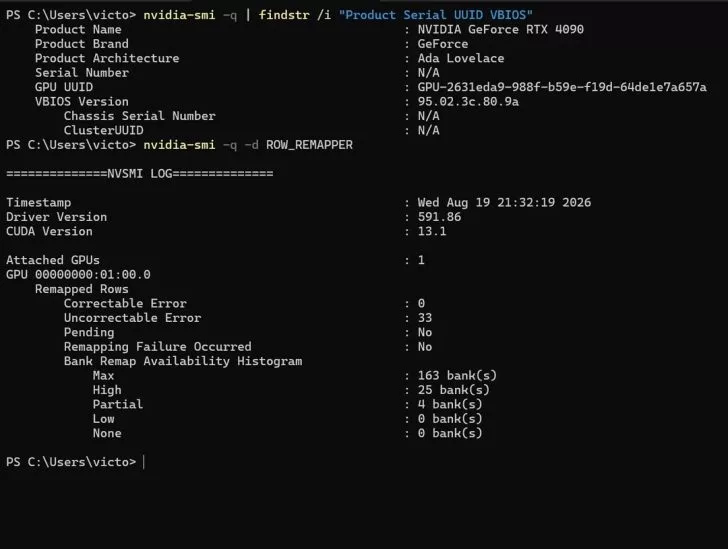
The implications for consumers are significant. For users relying on the RTX 4090 for professional workloads like 8K video editing, heavy 3D rendering, or AI model training, a 1.5 GB reduction in VRAM can be catastrophic. Many modern applications and games have memory requirements that exceed the reduced capacity of these specific units, leading to crashes, stuttering, or an inability to launch titles at high resolutions. This situation highlights the critical importance of verifying hardware specifications immediately upon receipt, especially for flagship components where performance margins are tight.
While Gigabyte insists on the functionality of the cards, the lack of a clear explanation regarding why the memory capacity is misreported or masked remains a point of contention. Independent benchmarks and stress tests often reveal that the reduced VRAM leads to instability when pushing the hardware to its limits, contradicting the manufacturer's claim of normal operation. This discrepancy between the official warranty policy and the practical performance limitations suggests that Gigabyte may be prioritizing a strict interpretation of 'bootable' status over user expectations for full-spec functionality.
For now, owners of these affected Gigabyte RTX 4090 cards are advised to check their system logs and run memory diagnostics to confirm the actual available VRAM. If the reduction persists and impacts usability, users may need to seek third-party repair services or consider returning the unit if the retailer's return policy allows, as Gigabyte's official warranty support appears limited in this specific scenario.
Гика
