
Framework refunds customers as LPCAMM2 prices drop
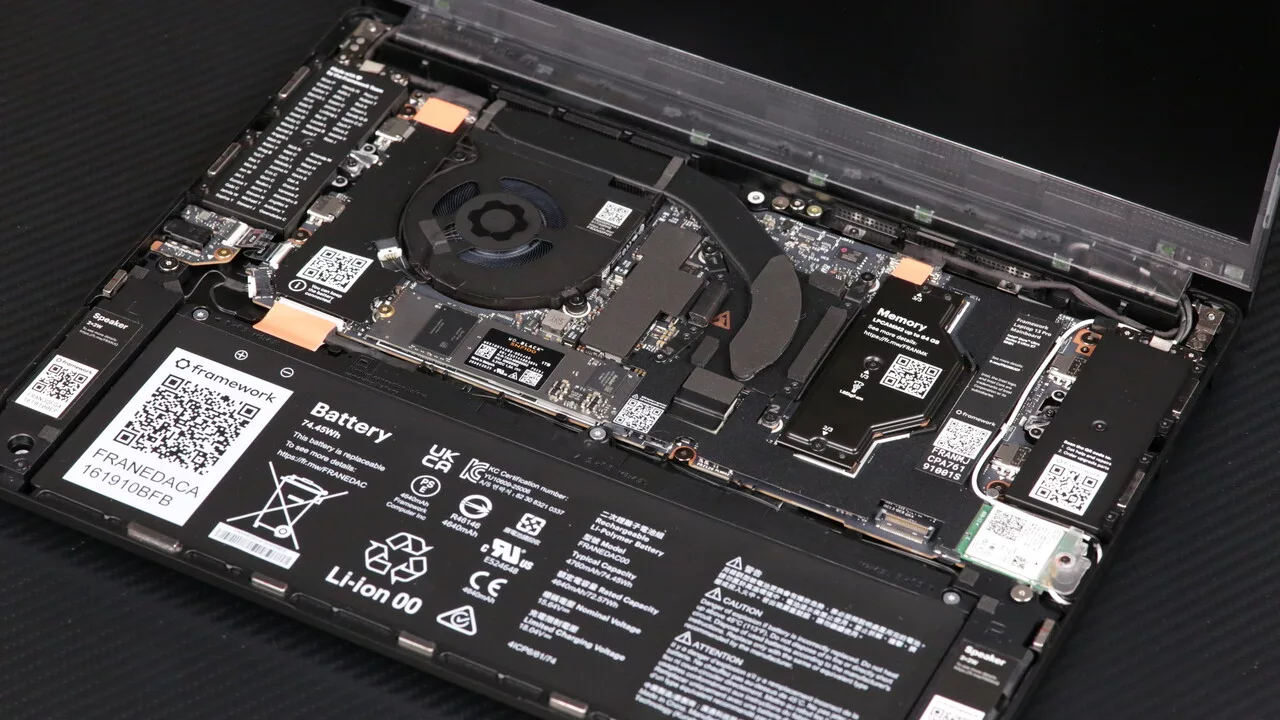
Framework is issuing refunds to customers of the Framework Laptop 13 Pro after securing a limited supply of LPCAMM2 memory modules from Micron at lower costs. The company is applying the price reduction retroactively to orders that have already been shipped, as well as to pending pre-orders up to the tenth delivery batch.
Memory prices have remained elevated for months, forcing manufacturers to adjust their pricing strategies. In July, Framework stated that the procurement costs for LPCAMM2 had more than doubled compared to previous inventory levels. This recent development allows the company to offer lower prices for 32 GB and 64 GB configurations, although the new procurement costs remain higher than the initial pre-order launch prices.
Existing customers who paid the higher price for shipped orders will automatically receive a refund for the difference. Pending pre-orders up to and including Batch 10 will also be adjusted to the lower price automatically. Customers who pre-ordered within this window can also change their configuration to 32 GB or 64 GB LPCAMM2 at the reduced rate. Owners of already shipped DIY editions can upgrade their memory later; Framework will cover the return shipping costs for the originally ordered module in such cases.
This refund does not indicate a general market-wide price drop for LPCAMM2. Framework explicitly describes the supply as a limited quantity purchased under better terms. If additional inventory remains or further low-cost memory is acquired, the company plans to prioritize existing pre-order customers before accepting new orders. Consequently, standard prices for new orders remain high. In the US store, a 32 GB LPCAMM2 module still costs $800, while a 64 GB module is priced at $1,600. A 16 GB module costs $239.
The current price reduction remains an exception in a tight memory market. For affected buyers of the Framework Laptop 13 Pro, the retroactive refund is a notable customer-friendly measure, as Framework is passing part of the savings back to customers rather than applying the lower procurement costs only to future orders.
Гика
