
Refined HD-2D and Classic JRPG Comfort: Final Fantasy Resonance Review
When Octopath Traveler debuted in 2018, the HD-2D technology redefined the potential of pixel art. While Square Enix's flagship Final Fantasy series largely avoided this aesthetic, Final Fantasy Resonance arrives to change that. It is not just a remake of the defunct mobile game Final Fantasy Brave Exvius, but a complete reimagining for a modern audience.
The Peak of Cinematic Pixel Art
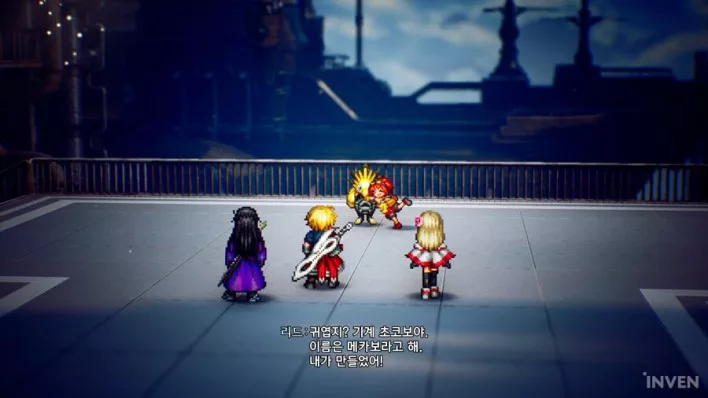
The primary concern surrounding FF Resonance was whether a remake of a mobile title could offer enough substance to justify its existence. To transcend its origins, the game needed to do more than just retell a story; it had to elevate the experience. Visually, it succeeds brilliantly. While many HD-2D titles have begun to feel similar, FF Resonance pushes the boundaries through its new Cinematic Pixel technology. This approach renders 3D graphics in a pixelated style, seamlessly bridging the gap between high-fidelity cinematic cutscenes and traditional 2D sprites. The result is a dynamic, immersive presentation that maintains a retro charm while delivering modern spectacle.

A Traditional Narrative Approach
The story follows a textbook fantasy structure, revolving around the protection of crystals—a staple theme of the Final Fantasy franchise. Because the game stays incredibly faithful to the lore and characters of FFBE, the narrative can feel somewhat predictable. The cast is composed of familiar archetypes: the optimistic protagonist Rain, the amnesiac heroine Fina, the energetic mechanic Lid, and the cool-headed Lasswell.
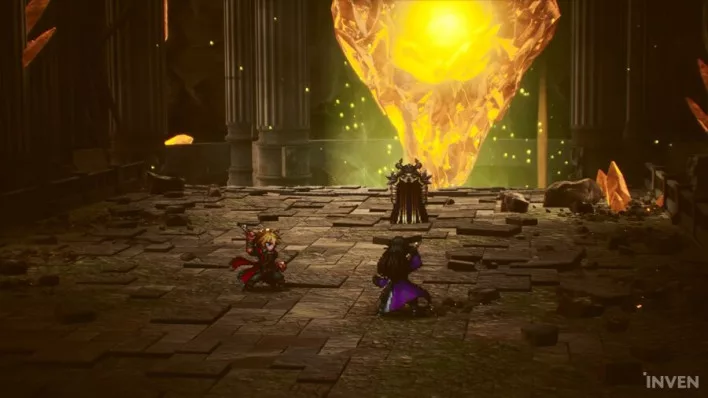
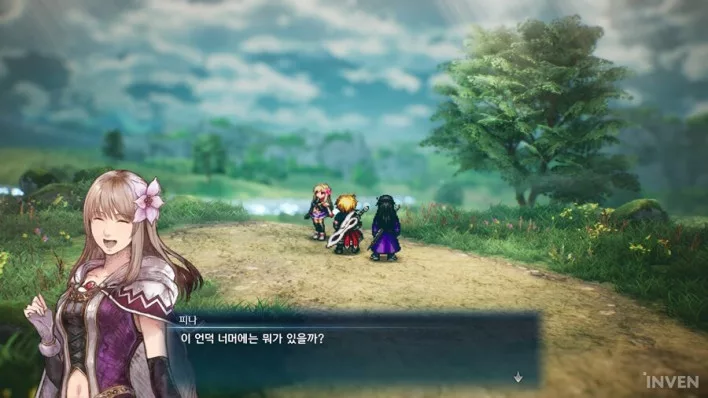
This familiarity is a double-edged sword. It lowers the barrier to entry, allowing even newcomers to the series to dive in without feeling lost. However, for veteran players, the lack of narrative subversion and the reliance on established tropes may result in a lack of depth and freshness in the storytelling.
Tactical Combat and the Vision System
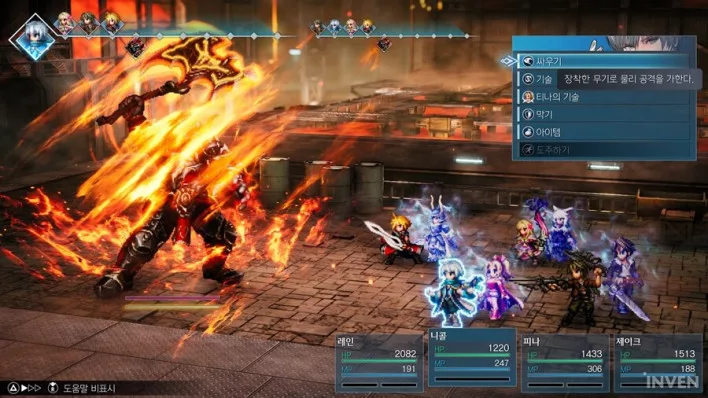
Combat in FF Resonance is a refined take on classic turn-based mechanics, notably omitting the ATB system in favor of a more strategic pace. The standout feature is the Break system. By targeting elemental weaknesses, players can deplete an enemy's Break Gauge, which interrupts boss patterns and grants the party an Extra Phase—an additional turn to unleash massive damage. This creates high-stakes tactical moments, especially during a Full Break, where the entire party gains extra actions for a devastating offensive.
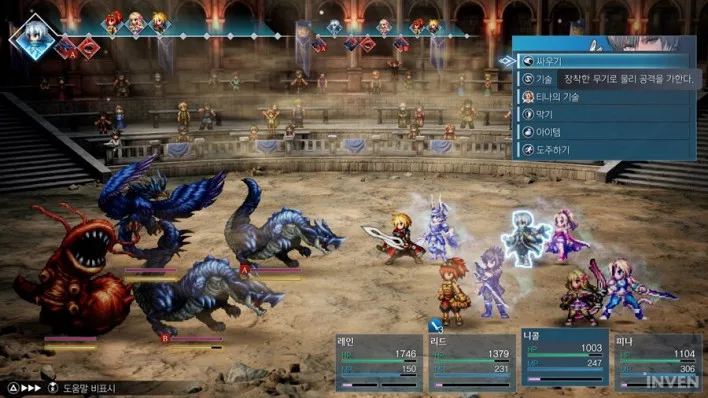
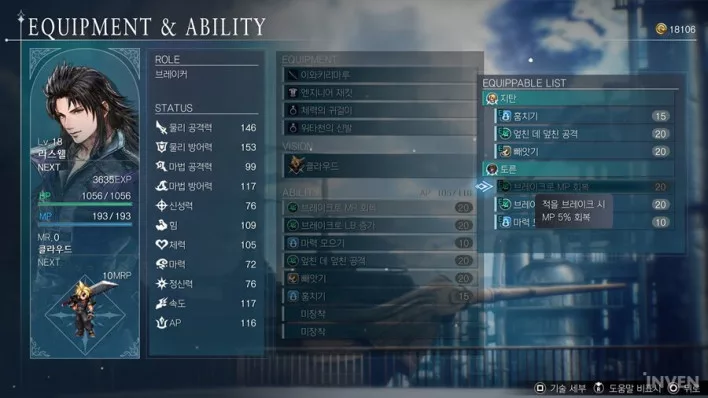
Character progression is driven by the Vision system. By equipping Vision Crystals—crystallized memories of legendary heroes—players can fundamentally alter character roles. A healer can become a heavy hitter, or a physical attacker can gain magical utility. The Mastery Bonus system adds further depth, allowing players to unlock and equip specific passive abilities from various Visions, enabling highly customized builds for endgame challenges.
Verdict
Final Fantasy Resonance is not a revolution, but a masterful refinement of established JRPG conventions. While it may not satisfy those seeking a radical departure from genre tropes, it is a stellar experience for fans of traditional turn-based combat and high-quality pixel art. It is a polished, visually stunning tribute to the series' roots.
- Strengths: Peak HD-2D visual presentation; impressive remake of its mobile predecessor; deep progression via the Vision system; substantial endgame content.
- Weaknesses: Lack of haptic feedback (rumble); predictable, trope-heavy narrative.
Зануда
