
Dunebound Tactics: Tactical Roguelite Makes Terrain a Tool
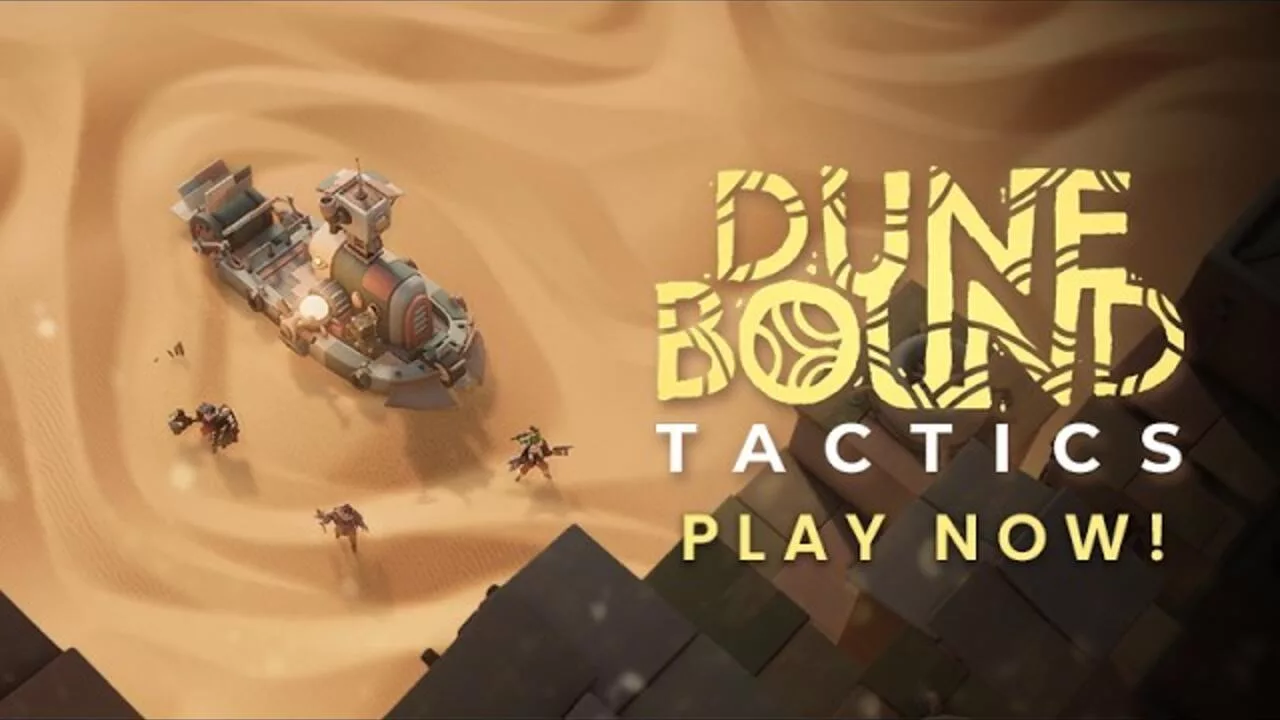
The released tactical roguelite Dunebound Tactics from Terahard offers players more than just turn-based combat; it provides the ability to reshape the battlefield as needed. At the center of the story is a caravan of survivors traveling through hostile dunes in search of a new home, where every step requires careful management of resources and the environment.
The Battlefield as a Tactical Tool
The core feature of Dunebound Tactics is that the terrain is not a static backdrop, but an active participant in combat. Unlike many turn-based strategies where gameplay is reduced to seeking cover and trading blows, here you can literally reshape the environment. Players can build ice pillars to block paths, place explosive pillars, set mines or traps, and even push enemies into pre-made pits. The full destructibility of objects allows you to not only destroy enemy cover but also create new tactical conditions.
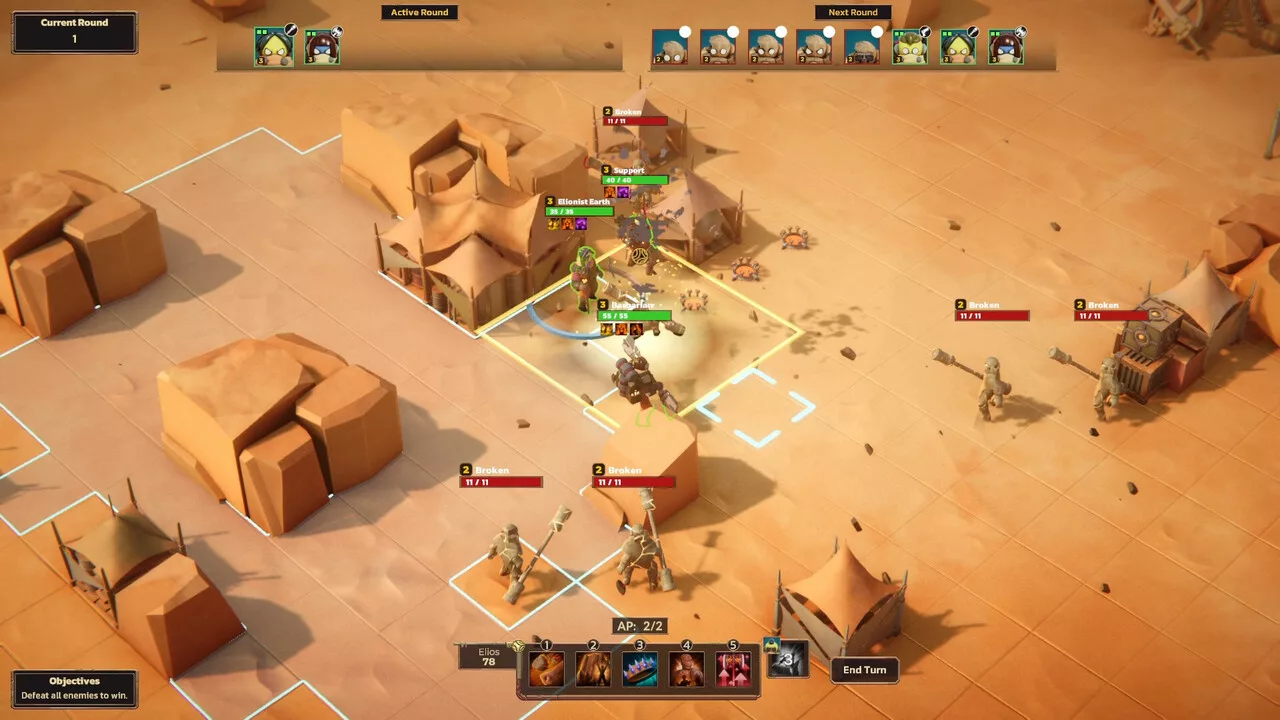
The journey itself follows roguelite principles: the world is procedurally generated, offering various locations, quests, and skirmishes with imperial troops. A legacy system maintains continuity between runs: if a caravan fails, its wreckage remains in the world, allowing players to salvage modules or even surviving crew members in a later playthrough.
Crew or Fuel?
Managing the caravan requires making difficult choices. Crew members are not just combatants, but a vital resource. If a crew member is wounded, you face a choice: send them to the infirmary for healing or extract the Elios within them to provide fuel for the caravan's propulsion. This tension between preserving the crew and maintaining momentum is a key part of the gameplay.
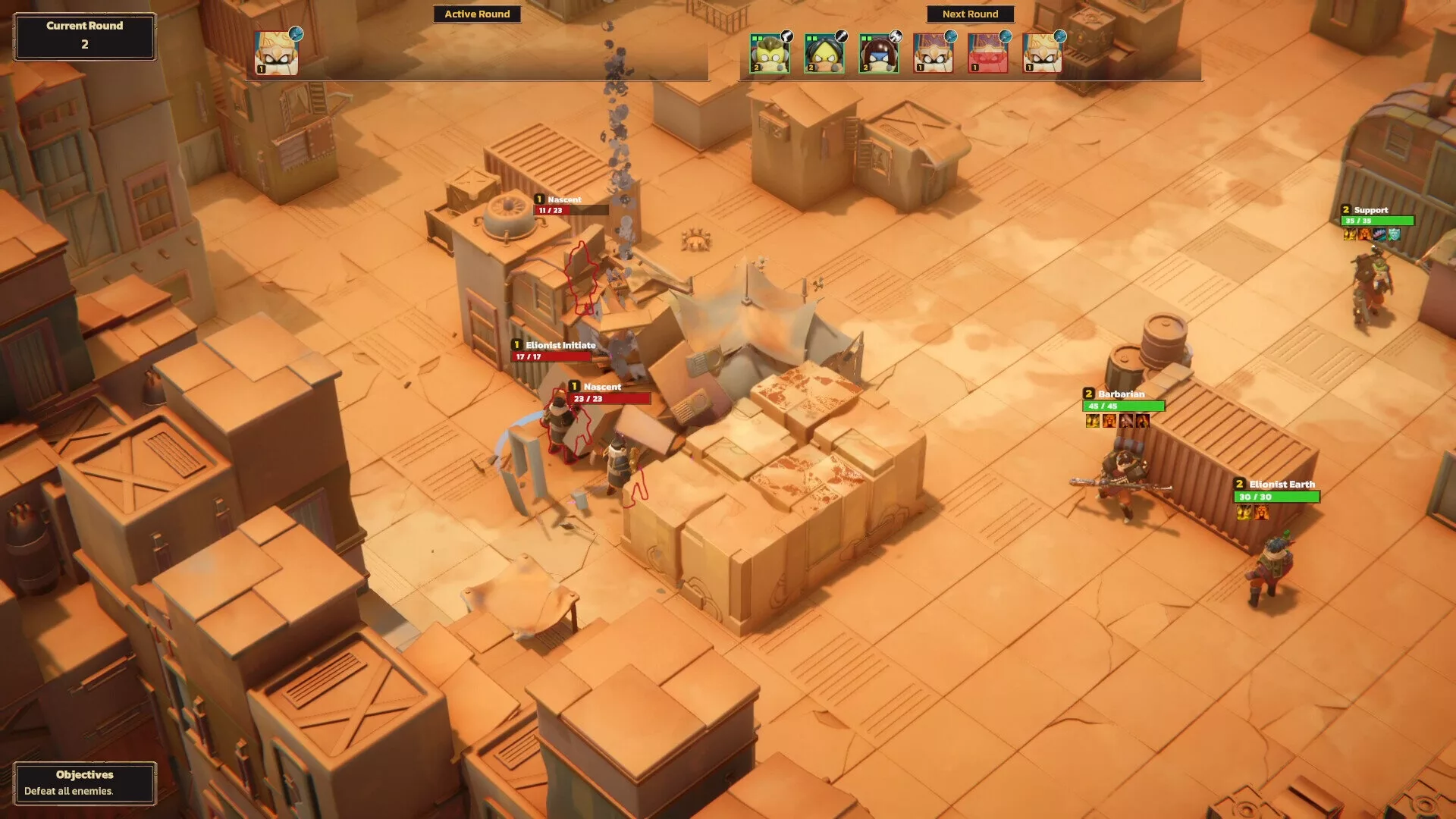
To ensure variety, the game features 15 classes, 16 traits, and over 50 modules to customize the crew and their abilities. While early reviews highlight the tactical combat, terrain manipulation, and unusual resource management, they also point to a lack of polish, repetitive environments, and limited scope.
Зануда
