

Creators of Alone in the Dark, Silent Hill, Fatal Frame and Clock Tower Discuss Horror Philosophy
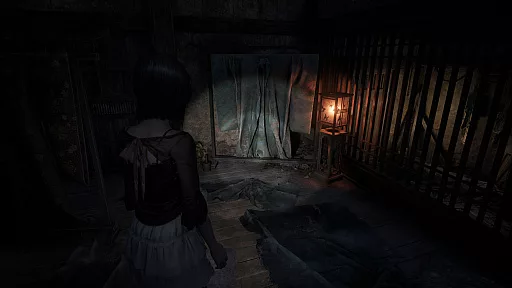
At the recent The Tenth Mosaic discussion panel in Tokyo, four pivotal figures of the survival horror genre gathered to share their insights. The creators behind Alone in the Dark, Silent Hill, Fatal Frame, and Clock Tower discussed the philosophy of fear, directorial techniques, and how technology shapes the horror experience.
The discussion opened with the origins of Alone in the Dark. Frederick Raynal shared that his inspiration stemmed from horror films he watched at his father's video rental shop. He aimed to translate the atmosphere of classic haunted mansion cinema into 3D, creating scenarios where players have no safe haven. According to Raynal, a core element of his design was breaking the player's sense of security—using sudden environmental shifts to keep them in a state of constant tension.
Keiichiro Toyama, a key figure behind Silent Hill, noted that his approach differed from the more action-oriented horror games of the era. Rather than focusing solely on monsters, he aimed for psychological dread and "fear that penetrates the mind." Toyama also touched upon the "design of the unseen": the fog and darkness in Silent Hill, which originally arose from technical limitations, became a tool that forces the player's imagination to fill in the horrors beyond the screen.
The developers also discussed the importance of the setting as a character in its own right. Makoto Shibata (Fatal Frame) and Kazumi Kono (Clock Tower) emphasized that a location must feel "alive." For Shibata, this meant creating an atmosphere of abandonment through details—traces of recent human presence that heighten the sensation of being watched. Kono added that horror can subvert standard game formats by stripping the protagonist of power, forcing them to choose between running or hiding rather than fighting.
In closing, the participants addressed the ethical boundaries of horror. Raynal admitted that the cruelty of reality sometimes forces creators to draw a line to avoid crossing into something unbearable, while other speakers noted the importance of "aesthetic distance," allowing players to experience horror as an art form rather than something purely naturalistic.
Флешка
