
Crazy Taxi: World Tour — More Than Just Chaos: The Art of Clever Design
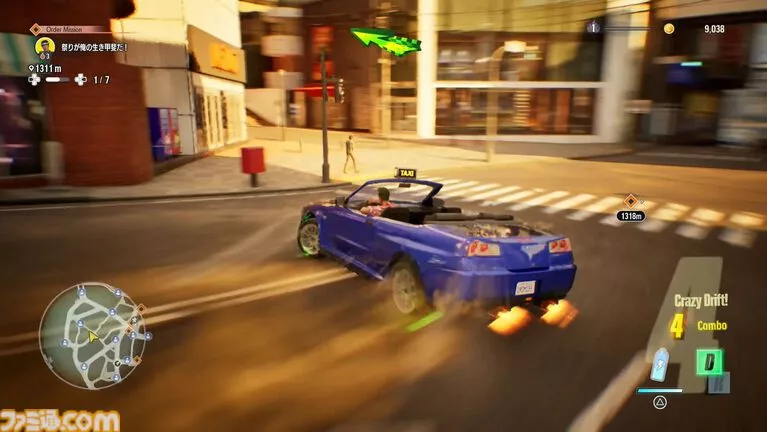
The Crazy Taxi series is set to return in 2027 with a massive reimagining. In the upcoming Crazy Taxi: World Tour from SEGA, players can expect high-octane action on Nintendo Switch 2, PlayStation 5, Xbox Series X|S, and PC. However, beneath the surface of the mayhem lies a much more sophisticated design than meets the eye.
Balancing Chaos and Precision
In an interview with Creative Producer Kenji Kanno (the mastermind behind the original game) and Director Yo Momotani, it becomes clear that the team's primary challenge was to avoid making a mere imitation of the past. The development team, largely composed of younger staff, engaged in intense debates over what defines the essence of being "crazy" versus what constitutes solid game design.
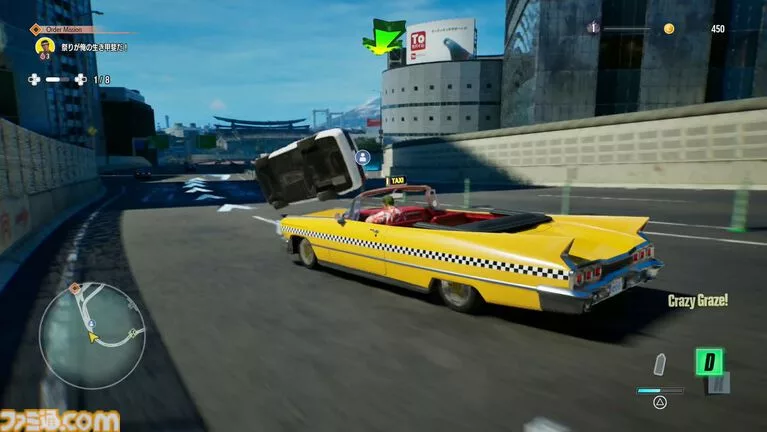
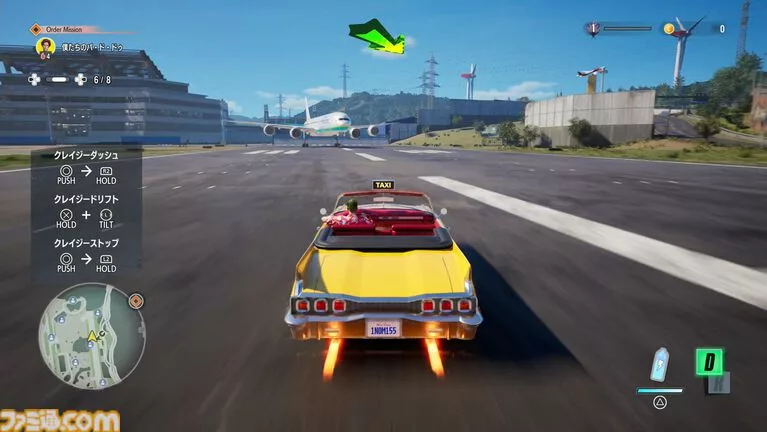
A major shift involves moving from the arcade-style cabinet controls of the 1999 original to modern gamepad inputs. Yo Momotani emphasized that while they modernized the controls, the goal was to preserve the core "action-driving" feel. They aimed to make advanced maneuvers like Crazy Dash or Crazy Stop more accessible to a broader audience without sacrificing the skill ceiling. Kenji Kanno admitted to intentionally simplifying the control scheme to allow for more cinematic, stylish driving—such as sharp, 90-degree turns that were previously difficult to execute on arcade hardware.
World Design: From Destruction to Depth
One of the most debated decisions during development was the level of environmental destruction. Kenji Kanno pushed for a world where players could essentially plow through everything, making obstacles feel as light as cardboard boxes. This was intended to enhance the sense of speed and freedom, despite some team members' concerns that it might diminish the weight and impact of the environment. The result is a calculated compromise: collisions still affect speed, but they don't halt the momentum, allowing the focus to remain on the high-speed rush.
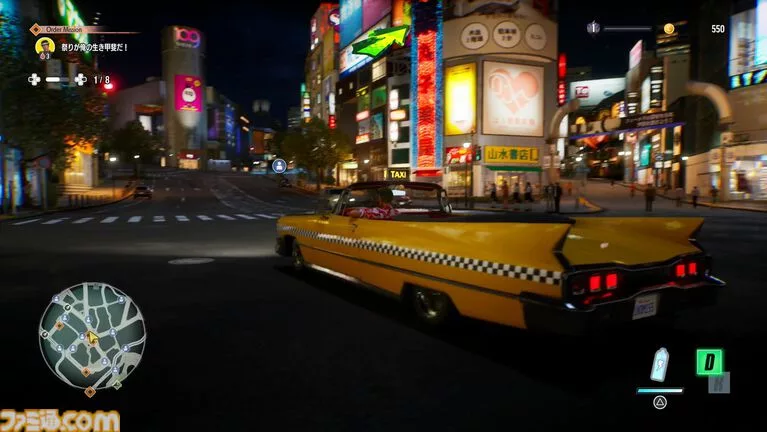
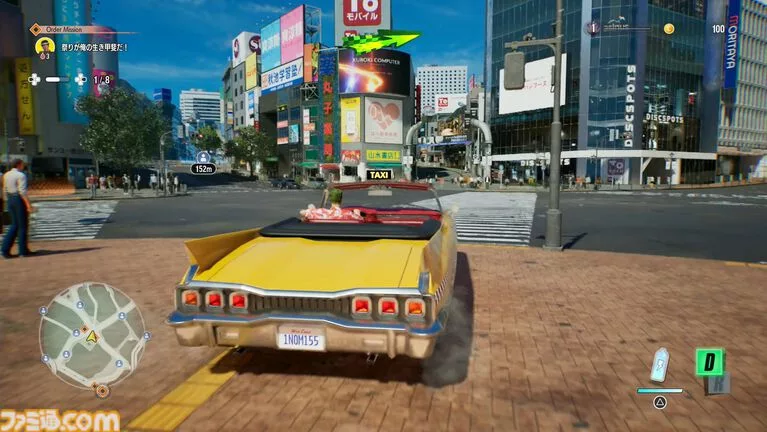
The map design also underwent a significant evolution. Rather than pursuing a vast, empty open world, the team focused on compact, highly detailed environments. This ensures that players can quickly memorize routes—a crucial element for a taxi game where time is the most precious resource.
The Japanese Influence and Cultural Identity
The implementation of a Japan-based map was a major point of contention. Kenji Kanno revealed he was initially against the idea, fearing that focusing on a single country might limit the scope of a "World Tour." However, Yo Momotani insisted that Japan offered a unique driving experience that was essential to the game's identity. The final result features recognizable landmarks like SHIBUYA 109 and areas reminiscent of Asakusa, with developers collaborating with real-world brands to ground the fantasy world in reality.
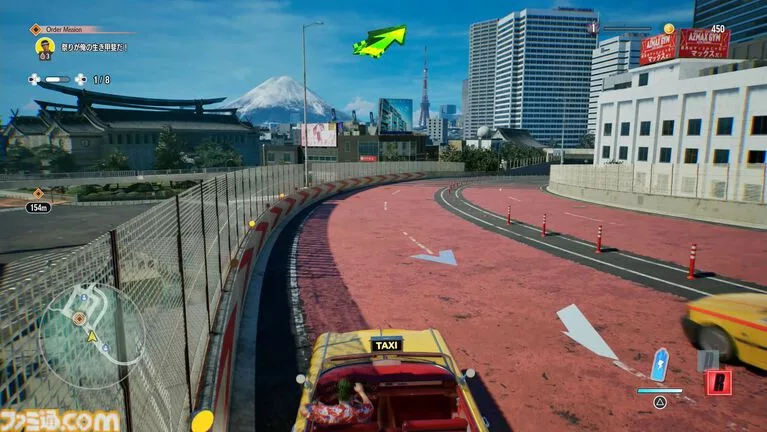
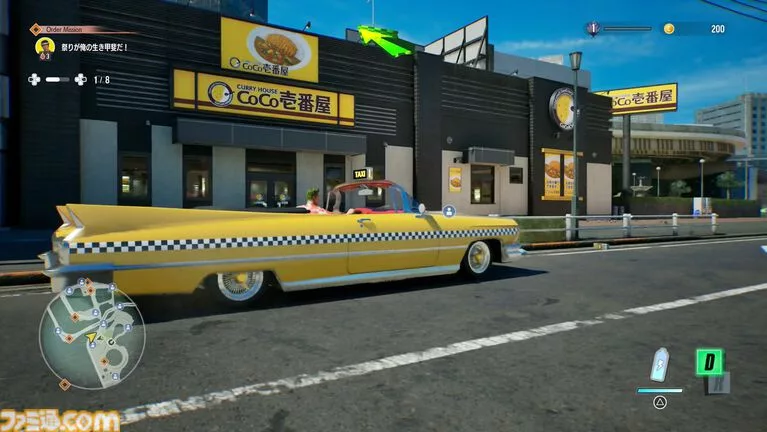
The team also obsessed over the small details that bring each location to life: from the color palettes of local cars to the behavior of pedestrians and even regional accents in the English voice acting. As Kenji Kanno noted, the game is not just "crazy," but "clever”—a polished experience where deep skill is hidden beneath a layer of frantic fun.
The Takeaway
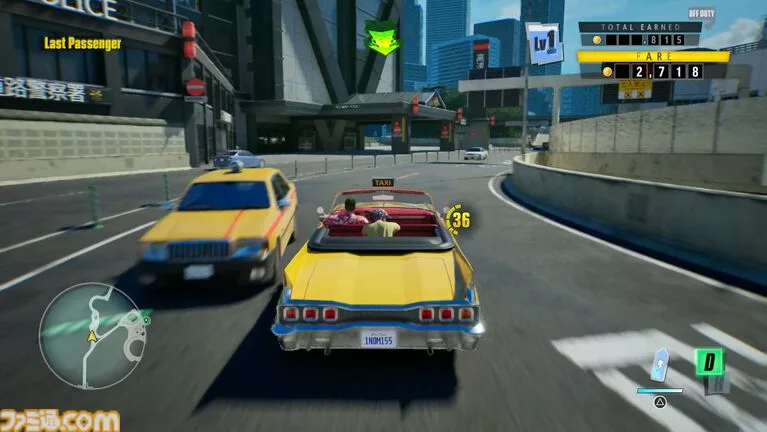
Crazy Taxi: World Tour promises to be more than a remake; it is an evolution of the genre, blending classic taxi-driving mechanics with modern exploration, vehicle progression, and narrative depth. It is a title designed to be welcoming to newcomers while offering a high skill ceiling for veterans.
Дурик
