
CPU Prices Rising: Intel, Qualcomm, and AMD Face Potential Hikes
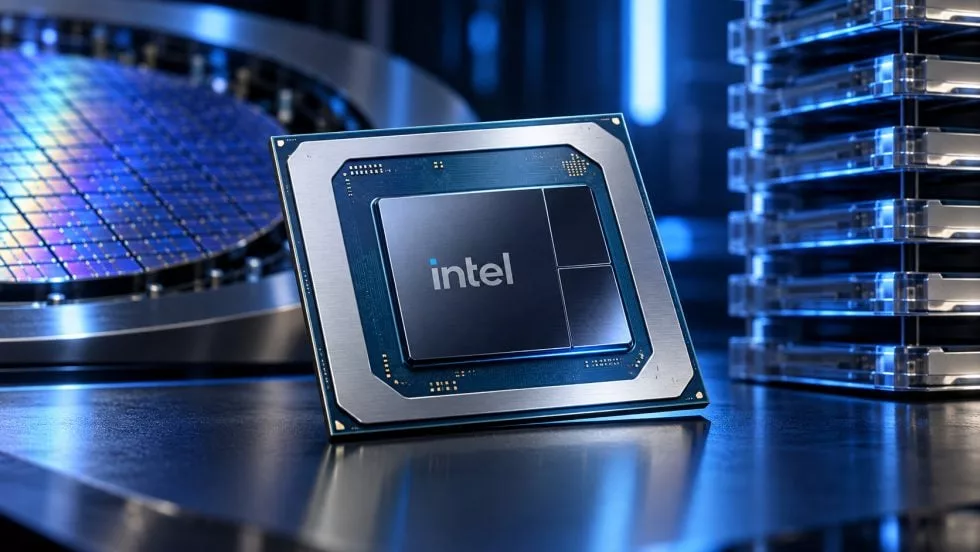
The CPU market is facing a new wave of price increases. According to reports from Taiwanese supply chains, Intel reportedly began raising prices for several processor families on September 1, 2026. The trend is expected to extend beyond current lineups to future architectures, with Qualcomm and AMD also facing potential adjustments.
Intel's Significant Increases
The most substantial hikes are reportedly aimed at high-performance Panther Lake models featuring large integrated graphics units. OEM prices for these specific SKUs could rise by 15% to 20%. This shift is technically plausible given the complexity of the architecture: the combination of Intel's 18A process with advanced packaging and complex chiplet designs—especially those with enhanced Xe3 graphics—significantly drives up manufacturing costs.
Other architectures are also seeing upward pressure. Meteor Lake and Arrow Lake are expected to see increases of roughly 5% to 10%, while older platforms like Alder Lake and Twin Lake could see price jumps of 10% to 20% depending on the specific model.
The Domino Effect: Qualcomm and AMD
Intel is not alone in this trend. Qualcomm, which relies heavily on external foundry capacity, reportedly increased prices for its Snapdragon-X and X2 platforms by approximately 10% starting October 1. AMD is also expected to be affected; reports suggest potential adjustments for Ryzen and EPYC processors as TSMC raises prices for advanced nodes and advanced packaging technologies.
It is crucial to note that these figures refer to OEM pricing rather than retail consumer prices. However, as the costs of DDR5, LPDDR5X, and NAND flash memory continue to rise, manufacturers face a compounding cost increase. For budget-oriented laptops, a $20–$30 increase in CPU cost can significantly impact either manufacturer margins or the final retail price.
A Broader Hardware Trend
The current situation reflects a broader industry shift. Massive demand from the AI and data center sectors is reshaping the cost basis of semiconductor manufacturing. Modern processors are no longer simple single-die components; they are complex packages involving multiple dies, advanced interconnects, and sophisticated substrates. As advanced packaging becomes more essential and expensive, these costs are increasingly being passed down through the supply chain.
Гика
