CMOS Supply Shift: Is Samsung Delaying the iPhone 18 Launch?
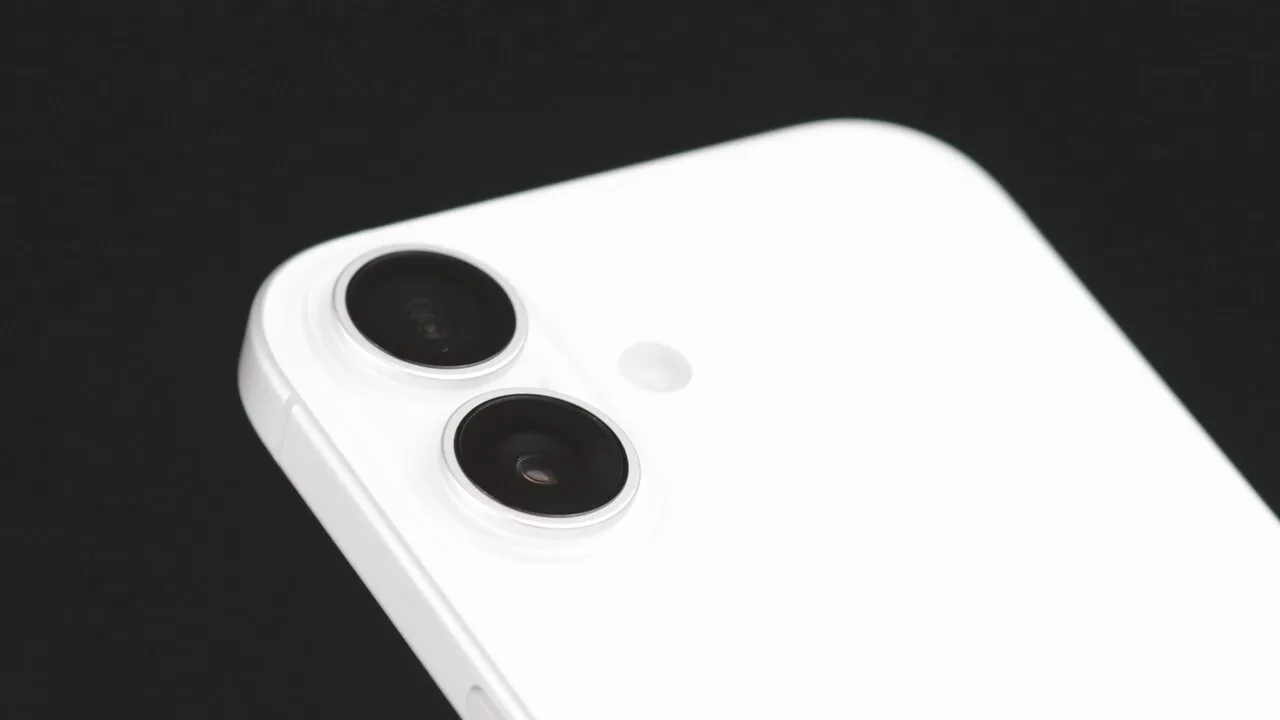
The iPhone 18 lineup is not following the traditional September release pattern, and the reasons behind this shift might be more complex than simple component shortages. While previous rumors pointed toward memory price volatility, new reports suggest that Apple's strategic move to integrate Samsung as a CMOS sensor supplier is playing a significant role in the production timeline.
According to a report from the Japanese specialist media Semiconportal, Apple has adjusted its launch strategy to accommodate Samsung's entry into the iPhone sensor supply chain. For years, Sony held an exclusive position as the sole provider of CMOS image sensors for the iPhone. However, following the expiration of that exclusivity this year, Apple has opted for a multi-vendor approach rather than sticking solely with Sony.
Production Timelines and Staggered Releases
The transition to a dual-supplier model involves significant logistical shifts. Samsung reportedly began prototype production for new iPhone sensors in early 2026, but mass production has reportedly been pushed back to the autumn. To ensure sufficient inventory for the iPhone 18 series, Apple is expected to stagger the rollout, potentially delaying the launch of the base model until early next year. This move aims to manage the supply gap while the new sensors move through the manufacturing ramp-up phase.
This supply chain diversification serves two primary strategic goals for Apple. First, the new sensors are expected to be manufactured at Samsung's facility in Texas, aligning with Apple's 'American Manufacturing Program' (AMP)—a massive initiative following the company's announcement of $100 billion in investments for US-based manufacturing. Second, by introducing competition between Sony and Samsung, Apple aims to exert downward pressure on component costs through a more competitive bidding environment.
Financial Impact and Market Outlook
Despite the potential delays in the iPhone 18 rollout, Apple's immediate financial performance appears resilient. The company reported its highest-ever revenue for the September quarter—the period typically coinciding with new iPhone launches—suggesting that the current product cycle and supply adjustments have not yet impacted the bottom line.